
How Advanced Dental Technologies Are Transforming Care
Exploring the groundbreaking innovations reshaping modern dentistry for better patient outcomes and experiences.
The field of dentistry has undergone remarkable transformations over the past few decades, thanks to the integration of cutting-edge technologies. Among these innovations, advanced dental technologies have emerged as a game-changer, revolutionizing the way dental care is delivered and experienced. These advancements are not only enhancing the precision and efficiency of dental procedures but are also significantly improving patient comfort and outcomes. From diagnostics to treatment, the modern dental landscape is being reshaped by these groundbreaking tools and techniques.
One of the most notable advancements in recent years is the use of digital imaging and 3D scanning. Traditional X-rays, while effective, have limitations in terms of clarity and detail. With the advent of digital imaging, dentists can now capture highly detailed, three-dimensional images of a patient’s teeth, gums, and jawbone. This level of precision allows for more accurate diagnoses and tailored treatment plans. For instance, 3D scans are invaluable in planning complex procedures such as dental implants, orthodontic treatments, and oral surgeries. Patients benefit from reduced radiation exposure and quicker imaging processes, making the experience safer and more convenient.
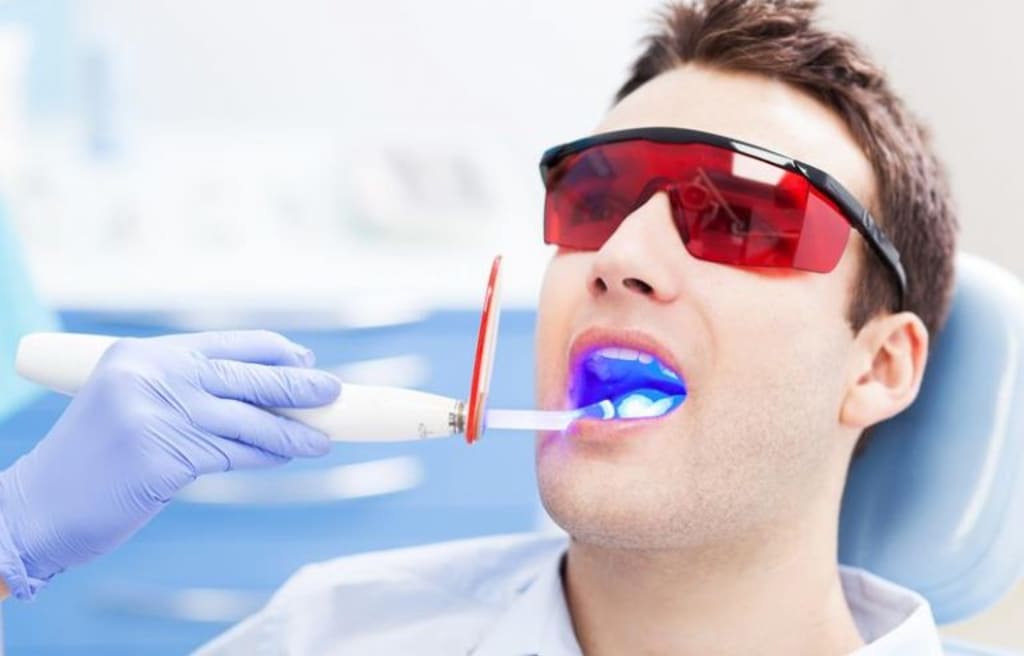
Another transformative technology is laser dentistry. Lasers have found their way into various dental applications, from cavity detection to gum disease treatment. The precision of laser tools minimizes damage to surrounding tissues, resulting in less pain, reduced bleeding, and faster healing times. For patients who experience dental anxiety, laser dentistry offers a less intimidating alternative to traditional drills and scalpels. Procedures that once required multiple visits can now often be completed in a single session, thanks to the efficiency of laser technology. This not only saves time but also reduces the overall cost of treatment.
The rise of computer-aided design and computer-aided manufacturing (CAD/CAM) has also had a profound impact on restorative dentistry. With CAD/CAM systems, dentists can design and create custom dental restorations such as crowns, veneers, and bridges in a matter of hours. Gone are the days of waiting weeks for a dental lab to fabricate these devices. Patients can now walk into a clinic with a damaged tooth and leave the same day with a fully restored smile. This technology ensures a perfect fit and a natural appearance, enhancing both functionality and aesthetics.
Tele-dentistry is another innovation that is gaining traction, especially in the wake of the COVID-19 pandemic. This technology allows patients to consult with their dentists remotely, using video calls and digital communication tools. While it cannot replace in-person visits for certain procedures, tele-dentistry is an excellent option for preliminary consultations, follow-ups, and minor issues. It has proven particularly beneficial for individuals in rural or underserved areas, where access to dental care may be limited. By bridging the gap between patients and providers, tele-dentistry is making dental care more accessible and convenient.
Artificial intelligence (AI) is also making its mark in the dental industry. AI-powered software can analyze vast amounts of data to assist dentists in diagnosing conditions, predicting treatment outcomes, and even identifying potential issues before they become serious. For example, AI algorithms can detect early signs of oral cancer or periodontal disease by analyzing X-rays and patient histories. This proactive approach not only improves patient outcomes but also helps reduce healthcare costs by preventing the progression of diseases.
The integration of augmented reality (AR) and virtual reality (VR) into dental practices is another exciting development. These technologies are being used for both patient education and training purposes. Dentists can use AR to show patients a virtual representation of their treatment plan, helping them understand the process and expected results. On the training side, VR simulations allow dental students and professionals to practice procedures in a risk-free environment, honing their skills before working on actual patients. This immersive approach is enhancing both patient communication and professional expertise.
One of the most patient-centric advancements is the development of pain-free dentistry techniques. Innovations such as needle-free anesthesia and vibration devices are helping to alleviate the fear and discomfort associated with dental visits. Needle-free anesthesia, for instance, uses a high-pressure system to deliver anesthetic through the skin without the need for a needle. Vibration devices, on the other hand, distract the brain from pain signals, making injections and other procedures more tolerable. These technologies are particularly beneficial for children and individuals with dental phobias, encouraging them to seek the care they need.
The use of biocompatible materials in dental restorations is another area where advanced dental technologies are making a difference. Modern materials such as zirconia and ceramic are not only durable but also mimic the natural appearance of teeth. These materials are free from metals, reducing the risk of allergic reactions and making them suitable for a wider range of patients. Additionally, advancements in adhesive technologies ensure that restorations bond securely to the tooth structure, enhancing their longevity and performance.
Preventive dentistry has also benefited from technological advancements. Tools such as intraoral cameras and saliva testing kits enable dentists to detect issues at their earliest stages. Intraoral cameras provide a close-up view of the mouth, revealing problems that may not be visible to the naked eye. Saliva testing, on the other hand, can identify biomarkers associated with conditions such as gum disease and cavities. By catching these issues early, dentists can implement preventive measures that save patients from more invasive treatments down the line.
The role of robotics in dentistry is still in its infancy but holds immense promise. Robotic systems are being developed to assist with procedures such as implant placement and orthodontic adjustments. These systems offer unparalleled precision, reducing the risk of human error and improving outcomes. While fully autonomous robotic dentists may still be a thing of the future, the integration of robotics into dental practices is undoubtedly on the horizon.
As these technologies continue to evolve, the focus remains on improving patient care and outcomes. The adoption of advanced dental technologies is not just about staying ahead of the curve; it’s about providing the best possible care to patients. From reducing pain and anxiety to enhancing precision and efficiency, these innovations are transforming the dental experience for both patients and providers.
For those seeking the latest in dental care, The Florida Center for Laser Dentistry is at the forefront of integrating these advancements into their practice. By embracing cutting-edge technologies, they are setting a new standard for excellence in dental care.
About the Creator
Cosmetic Smile
Dr. Robyn Gagnon, DDS, is a highly skilled and compassionate dentist New Port Richey FL. Specializing in dental care, Dr. Robyn Gagnon and her dedicated team provide exceptional services in a friendly and comfortable environment.
Keep reading
More stories from Cosmetic Smile and writers in Humans and other communities.
Restoring Smiles with Removable Prosthetics
Restoring smiles and functionality after tooth loss has become a crucial goal in dentistry, with removable prosthetics playing a vital role for many. These devices are uniquely designed to be removed and reinserted by the user, offering an adaptable alternative to permanent options. With innovations in materials and design, modern prosthetics blend durability, comfort, and a natural appearance, enabling wearers to speak, chew, and interact with ease and confidence. Dentists and dental technicians collaborate closely to ensure the fit and comfort meet each patient’s needs. After an initial consultation and mouth impressions, patients can expect a streamlined process, thanks to advanced digital imaging that reduces fittings and adjustments.
By Cosmetic Smileabout a year ago in Humans
The CEO of Everything
They say "jack of all trades, master of none," but they forgot to mention the part where the jack of all trades is also the camera woman, the makeup artist, and the person currently yelling at a tangled Wii microphone cable in a her own bathroom while recording herself singing and trying to make it look realistic and professional. (As professional as you can make it with nothing but a cell phone camera and a mic that doesn't work)
By Sara Wilson7 days ago in Humans
He Was Not Sting
Tasawur, Sajid, and Nasir were close friends. Nasir had joined the college only two months earlier and soon developed a friendship with Tasawur and Sajid. Nasir belonged to a middle-class family and was a well-mannered, kind-hearted boy. No student in the class had any complaint against him. However, Sajid and Tasawur often called him stingy.
By Sudais Zakwan2 days ago in Humans
Thoughts on Vocal and the way the world is
"Death cannot stop true love, only delay it." – Wesley in The Princess Bride. I decided to come back to Vocal on a very cold and dark night at the end of December. I had been, and still am, convalescing from a horrible staph infection that had gone misdiagnosed for months. This, paired with the increasing challenges of being healthy, making the best choices for my co-parented child, being a wife, and being a director at a new job, was a lot to manage.
By Jazzy 6 days ago in Confessions


Comments
There are no comments for this story
Be the first to respond and start the conversation.