
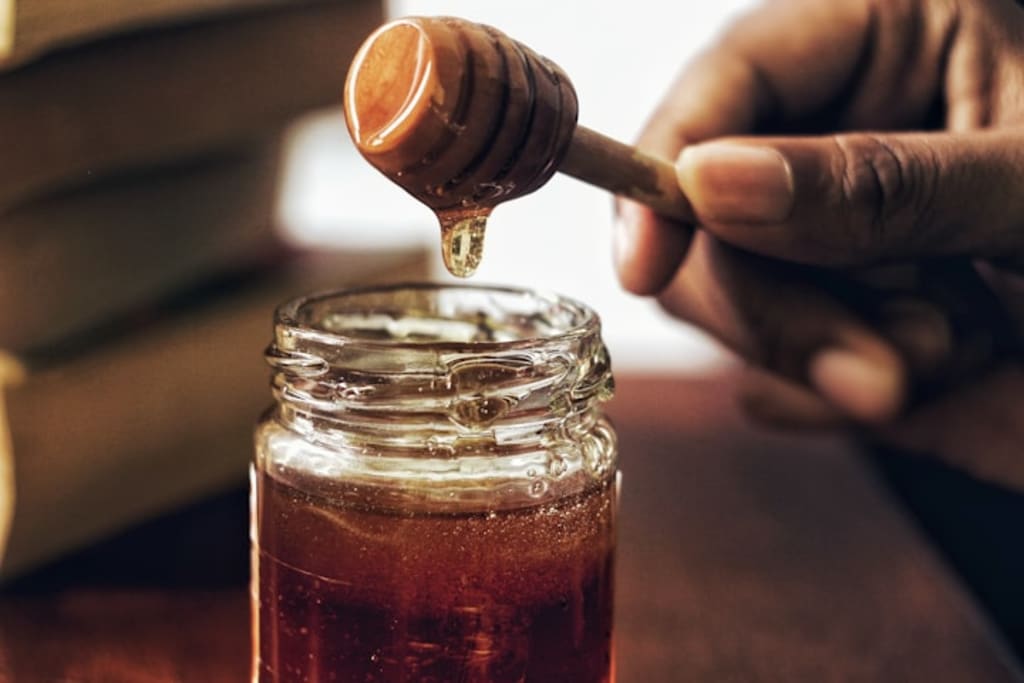
Honey is a remarkable substance with a unique characteristic: it never spoils. This longevity is not just an interesting fact; it's a reflection of honey's extraordinary properties, which have made it a valuable resource for thousands of years.
Composition of Honey
The primary reason honey never spoils lies in its composition. Honey is composed mostly of sugars, particularly glucose and fructose, which are both hygroscopic. This means they attract moisture from the environment. However, honey is also incredibly low in water content, usually around 17%. The low moisture content creates a highly inhospitable environment for bacteria and other microorganisms. Without sufficient water, these organisms cannot survive, reproduce, or cause spoilage.
Acidity and Antimicrobial Properties
Honey also has a naturally low pH, typically ranging between 3.2 and 4.5, which contributes to its preservation. This acidity inhibits the growth of many bacteria and fungi. Additionally, honey contains a variety of naturally occurring compounds, including hydrogen peroxide, which is produced by the enzyme glucose oxidase found in honey. Hydrogen peroxide is a well-known antimicrobial agent, further preventing the growth of spoilage organisms.
Historical Evidence
The enduring nature of honey is not just theoretical; it has been proven through historical examples. Archaeologists have discovered pots of honey in ancient Egyptian tombs that are over 3,000 years old and still perfectly edible. This demonstrates honey's remarkable ability to remain preserved over millennia, even in conditions that would cause other foods to rot.
Storage and Environmental Factors
While honey itself does not spoil, its environment and storage conditions can affect its quality over time. Honey is hygroscopic, meaning it can absorb moisture from the air if not stored properly. If honey absorbs too much moisture, it can ferment, especially if the ambient temperature is high. Therefore, it's important to store honey in a tightly sealed container and in a cool, dry place.
Crystallization is another common phenomenon in honey, where it turns from a liquid to a solid or semi-solid state. This process is natural and does not indicate spoilage. In fact, crystallization is a sign of pure honey. If honey crystallizes, it can be gently warmed to return it to a liquid state without affecting its quality or safety.
Bee-Made Preservation
The process by which honey is made also plays a crucial role in its longevity. Bees collect nectar from flowers, which is primarily composed of water and sugars. In the hive, the nectar is mixed with enzymes in the bees' saliva, and the water content is reduced by the fanning of the bees' wings. This dehydration process is key to honey's preservation. The bees store the concentrated nectar in honeycomb cells, capping it with beeswax to protect it from moisture and other contaminants.
Modern Uses and Benefits
Honey's ability to last indefinitely has made it a staple in many households, not just as a sweetener, but also as a natural remedy for various ailments. Its antimicrobial properties make it useful in wound healing and soothing sore throats. The fact that honey never spoils means it can be stored for long periods, making it an ideal food resource in times of scarcity or for those interested in long-term food storage.
Conclusion
In summary, honey's ability to never spoil is a result of its unique composition, low moisture content, acidity, and the natural antimicrobial compounds it contains. These factors create an environment where spoilage organisms cannot thrive. This incredible longevity has been demonstrated through historical findings and continues to make honey a valuable and versatile substance in modern times. As long as honey is stored properly, it can last indefinitely, providing sweetness and nourishment for generations.
About the Creator
Keep reading
More stories from Sharon Chebet and writers in Humans and other communities.
HUMAN TEETH
Human teeth are indeed unique in the way they handle damage compared to other parts of the body. The structure of teeth, their composition, and their inability to regenerate after significant damage are crucial points of understanding in dental science. Here’s an exploration of why human teeth can’t heal themselves.
By Sharon Chebet2 years ago in Humans
Thief In The Night
To the thief in the night that took and replicated what once was mine: Honestly, I feel kind of bad for you. It’s funny, because we hardly know each other. I only know of you through the magazines you’ve written and the broadcasts you have televised in the past — as well as through the public mentions of you from your show business connections there.
By Snarky Lisa7 days ago in Humans
Co-Living Impacts Dating Dynamics Communication And Emotional Connection Significantly
Dating is greatly affected by co-living, in which couples or partners live together in one house. It brings about quick intimacy and interaction in real life and one gets a chance to learn about routines, habits, and preferences. Shared space brings intimacy as well as it reveals the possible difference of lifestyle including cleaning, schedules, and personal boundaries.
By Mark Hipster5 days ago in Humans




Comments
There are no comments for this story
Be the first to respond and start the conversation.