
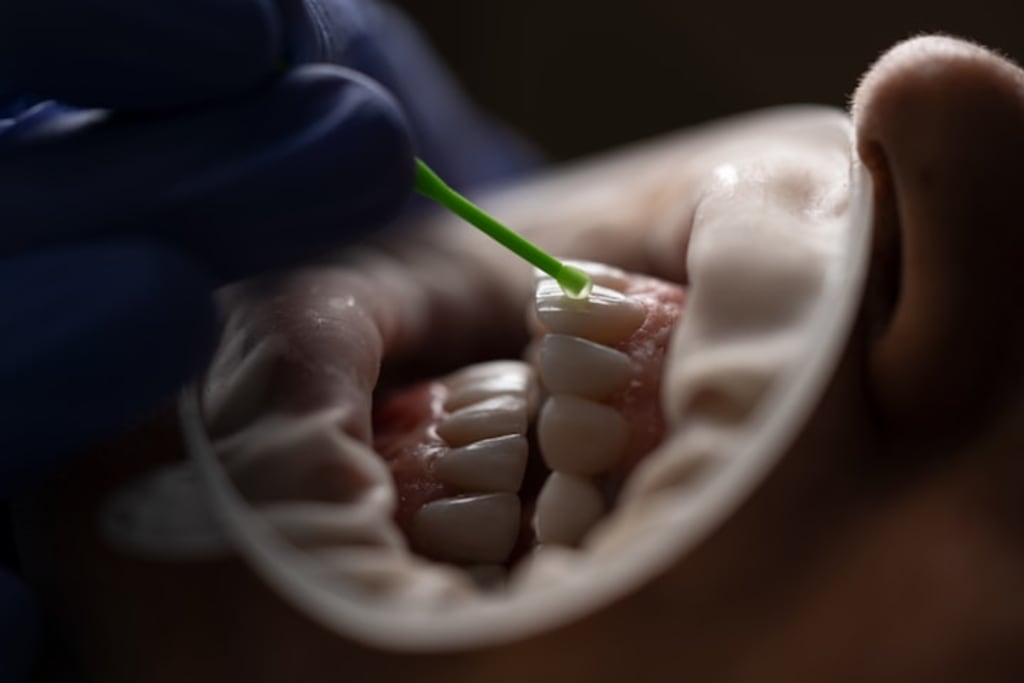
Human teeth are indeed unique in the way they handle damage compared to other parts of the body. The structure of teeth, their composition, and their inability to regenerate after significant damage are crucial points of understanding in dental science. Here’s an exploration of why human teeth can’t heal themselves.
Structure of Human Teeth
To understand why teeth can’t heal, it’s essential to first understand their structure. Human teeth are composed of several layers:
1. Enamel: The outermost layer is the hardest substance in the human body, even tougher than bone. It protects the inner layers of the tooth and is primarily composed of minerals, mainly hydroxyapatite. Enamel has no living cells, which means it cannot regenerate or repair itself once damaged.
2. Dentin: Beneath the enamel lies dentin, a softer, yellowish tissue that is also mineralized but less so than enamel. Dentin contains microscopic tubules, which, when exposed due to enamel wear or damage, can lead to sensitivity. Dentin has some regenerative capability but is limited and not sufficient to repair significant damage.
3. Pulp: The innermost part of the tooth is the pulp, a soft tissue that contains nerves and blood vessels. The pulp is vital during tooth development, but once a tooth is fully formed, its role becomes limited. Damage to the pulp often leads to pain and can result in the need for root canal therapy if infected or exposed.
4. Cementum: This is a calcified layer covering the root of the tooth, helping anchor it within the jawbone. Cementum can repair itself to a certain extent, but this ability is minimal and doesn’t contribute to the healing of the tooth as a whole.
Lack of Healing Ability
The healing process in most parts of the body relies on the presence of living cells that can proliferate, differentiate, and replace damaged tissues. This is seen in the skin, bones, and even internal organs. However, teeth lack this ability for several reasons:
1. Absence of Living Cells in Enamel: Since enamel does not contain living cells, it cannot repair itself. When enamel is worn down by acids (from food, drinks, or stomach acids), mechanical forces (such as grinding), or trauma, the body has no mechanism to regenerate it. This is why cavities, once formed, cannot be healed naturally and require intervention.
2. Limited Regeneration in Dentin and Cementum: While dentin and cementum can respond to damage to a small extent by forming secondary dentin or reparative dentin, this process is slow and often insufficient to heal significant damage. The newly formed dentin is not as robust as the original, and its formation is more of a protective response than a true regenerative process.
3. Vulnerability of Pulp: The pulp, while vital to the tooth’s development and sensory functions, is highly vulnerable to damage. Once exposed or infected, the pulp often cannot recover on its own, leading to the necessity for procedures like root canals or extractions. Unlike soft tissues, the pulp doesn’t regenerate in a way that restores the tooth’s original function.
Implications for Dental Health
The inability of teeth to heal themselves has profound implications for dental health. Preventive care, such as regular brushing, flossing, and professional cleanings, is crucial because once damage occurs, it’s often permanent.
- Cavities: Dental caries (cavities) are a common issue arising from enamel erosion and the subsequent decay of dentin. Since the body can’t heal these cavities, they must be treated with fillings, crowns, or other restorative measures.
- Cracks and Chips: Trauma to the teeth, resulting in cracks or chips, cannot be naturally repaired. Depending on the severity, dentists may use bonding, veneers, or crowns to restore the tooth’s appearance and function.
- Gum Disease: While gums can heal to an extent, advanced periodontal disease can lead to irreversible damage to the supporting structures of the teeth, including the cementum and alveolar bone. Once lost, these structures don’t regenerate, often leading to tooth loss.
Conclusion
Human teeth are remarkable in their strength and resilience but also uniquely vulnerable due to their inability to heal themselves. Unlike other parts of the body that can regenerate or repair after injury, teeth require external intervention once damaged. This makes dental care essential in maintaining oral health and preventing long-term issues that arise from the irreversible nature of tooth damage. Regular dental check-ups, good oral hygiene, and early treatment of any dental issues are key to preserving the health and function of your teeth throughout your life.
About the Creator
Keep reading
More stories from Sharon Chebet and writers in Humans and other communities.
SHOWER CREATIVITY BOOST
Many of us have experienced those unexpected bursts of creativity while taking a shower. You might be washing your hair, and suddenly, an idea for a work project, a solution to a lingering problem, or even a fresh perspective on a personal issue just pops into your mind. But why does this happen? What is it about the shower that seems to unlock our creative potential?
By Sharon Chebet2 years ago in Humans
Deep Love Quotes That Will Melt Your Heart
Love is the most profound emotion, capable of transforming hearts and souls. It is the language of the soul, whispered in glances, spoken through touch, and felt deeply in every beat of the heart. Here are some deep love quotes that capture the essence of this timeless emotion, each one crafted to resonate with your heart and stir your soul.
By Ahmed aldeabella6 days ago in Humans


Comments (2)
Well written
Great analysis