
Healthy and Sustainable Weight Loss: The Benefits of Proper Nutrition and Regular Exercise
Discover the Science-Backed Strategies to Achieving Your Weight Loss Goals and Maintaining a Healthy Lifestyle
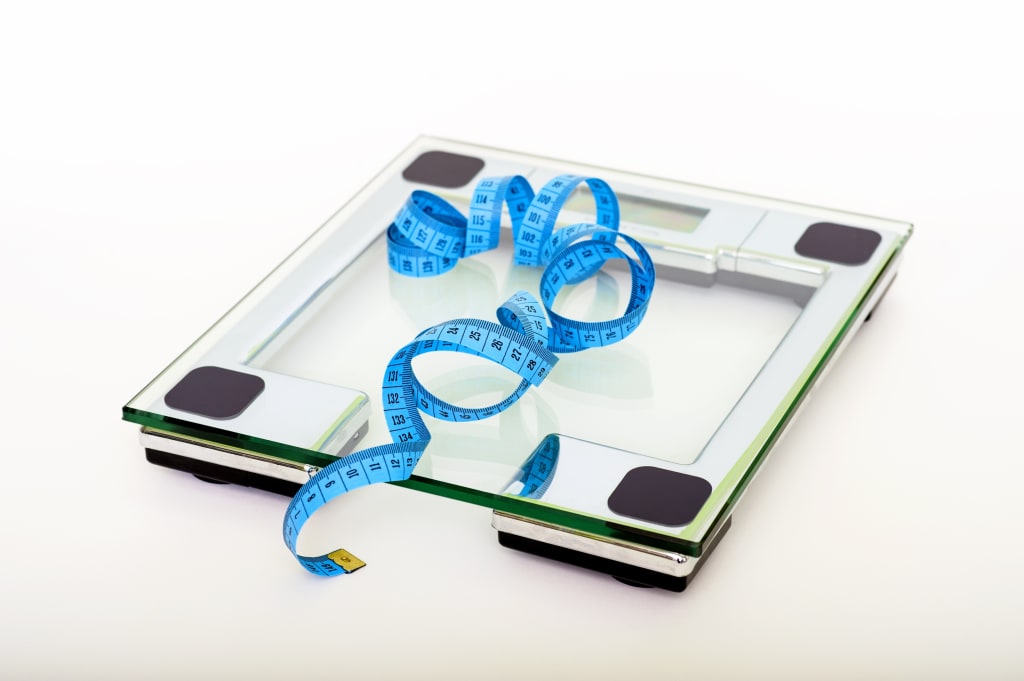
Losing weight is a common goal for many people, but it's important to remember that not all weight loss strategies are created equal. While fad diets and quick fixes may promise fast results, they often do more harm than good in the long term. Healthy and sustainable weight loss involves making lifestyle changes that promote proper nutrition and regular exercise, which can lead to many benefits for your overall health and well-being.
The Benefits of Healthy and Sustainable Weight Loss
Losing weight in a healthy and sustainable way offers many benefits, including:
Improved Health: Carrying excess weight is a risk factor for many chronic diseases, including heart disease, diabetes, and certain types of cancer. By losing weight, you can lower your risk of developing these conditions, improve your cardiovascular health, and reduce inflammation in the body.
Increased Energy: Excess weight can cause your body to work harder, leading to feelings of fatigue and sluggishness. By losing weight, you can increase your energy levels, improve your mood, and enhance your overall quality of life.
Better Sleep: Carrying excess weight can lead to sleep-related problems such as snoring and sleep apnea. By losing weight, you can improve the quality of your sleep and reduce the risk of these sleep disorders.
Increased Confidence: Losing weight can help you feel better about yourself, increase your self-confidence, and improve your body image. This can have a positive impact on your personal and professional life.
Reduced Joint Pain: Carrying excess weight can put extra stress on your joints, leading to pain and discomfort. By losing weight, you can reduce the strain on your joints and alleviate joint pain.
Tips for Healthy and Sustainable Weight Loss
1.Set Realistic Goals: The first step in any weight loss journey is to set realistic goals. This means setting achievable and sustainable goals that are specific and measurable. It's important to remember that losing weight is a slow and steady process, and it's not something that can be achieved overnight.
2.Focus on Nutrition: Eating a healthy, balanced diet is essential for losing weight in a healthy and sustainable way. This means consuming whole, nutrient-dense foods such as fruits, vegetables, whole grains, lean protein sources, and healthy fats. These foods are typically more filling and satisfying than processed foods, which can help reduce your calorie intake and promote weight loss.
3.Exercise Regularly: Exercise is a crucial part of any weight loss plan. Aim for at least 150 minutes of moderate-intensity exercise per week, such as brisk walking, cycling, or swimming. Additionally, strength training exercises can help you build muscle, which can increase your metabolism and help you burn more calories.
4.Get Enough Sleep: Getting enough sleep is critical for weight loss. Lack of sleep can disrupt the hormones that regulate appetite, leading to overeating and weight gain. Aim for at least 7-8 hours of sleep per night to help regulate your hormones and appetite.
5.Stay Consistent and Patient: Remember that losing weight is a slow and steady process. It can take time to see the results, but with consistency and patience, you can achieve your weight loss goals. Focus on making long-term changes rather than quick fixes or fad diets, and celebrate your successes along the way.
The Role of Proper Nutrition in Weight Loss
Proper nutrition is essential for healthy and sustainable weight loss. When it comes to weight loss, the key is to create a calorie deficit, which means burning more calories than you consume. However, it's important to do this in a way that is sustainable and doesn't leave you feeling deprived or hungry. This is where proper nutrition comes in.
Eating a balanced diet that includes a variety of nutrient-dense foods can help you feel full and satisfied while also providing your body with the essential nutrients it needs to function properly. Here are some key principles of proper nutrition for weight loss:
1.Focus on Whole Foods: Eating a diet that is rich in whole, nutrient-dense foods such as fruits, vegetables, whole grains, and lean protein sources can help you feel fuller for longer periods of time. This can help you reduce your overall calorie intake and promote weight loss.
2.Watch Your Portions: Portion control is key when it comes to losing weight. While it's important to eat a balanced diet, you also need to be mindful of how much you're eating. Using smaller plates and measuring your food can help you control your portions and reduce your calorie intake.
3.Limit Processed Foods: Processed foods such as fast food, packaged snacks, and sugary drinks are typically high in calories and low in nutrients. These foods can contribute to weight gain and increase your risk of chronic diseases. Limiting your intake of these foods and choosing whole foods instead can help you lose weight and improve your health.
4.Drink Plenty of Water: Drinking enough water is essential for weight loss. Not only can it help you feel fuller, but it can also help your body function properly and reduce your calorie intake. Aim for at least 8 cups of water per day to stay hydrated and support your weight loss goals.
The Role of Regular Exercise in Weight Loss
Regular exercise is another key component of healthy and sustainable weight loss. Exercise can help you burn calories, increase your metabolism, and build muscle, all of which can contribute to weight loss. Here are some tips for incorporating exercise into your weight loss plan:
1.Find an Activity You Enjoy: Exercise doesn't have to be a chore. Finding an activity that you enjoy, whether it's walking, swimming, or dancing, can help you stay motivated and make exercise a regular part of your routine.
2.Start Slowly: If you're new to exercise, it's important to start slowly and gradually increase your activity level. This can help you avoid injury and build endurance over time.
3.Mix Up Your Workouts: Doing the same workout over and over can get boring and may not challenge your body in the same way. Mixing up your workouts by incorporating different types of exercise, such as strength training and cardio, can help you stay engaged and see results.
4.Make Exercise a Priority: It can be easy to put exercise on the back burner when life gets busy, but making exercise a priority can help you stay on track with your weight loss goals. Schedule your workouts into your calendar and treat them as important appointments that you can't miss.
Conclusion
Losing weight in a healthy and sustainable way requires a combination of proper nutrition and regular exercise. While there are no shortcuts to weight loss, making long-term lifestyle changes can lead to many benefits for your overall health and well-being. By setting realistic goals, focusing on proper nutrition, and making exercise a regular part of your routine, you can achieve your weight loss goals and enjoy a healthier, happier life.
About the Creator
Keep reading
More stories from writers in Humans and other communities.
Wild Card Weekend Recap: What Happens Now?
I think I figured out why I love Wild Card Weekend so much. It's because it's the first playoff anything of the calendar year. The NFL season starts in the fall, and once upon a time, the champion was crowned either on or slightly before New Year's. The evolution of the NFL schedule has resulted in the playoffs starting just into the New Year, and currently, the final week of the season falls on the first weekend of the New Year, with Wild Card Weekend coming a week after that. So yes, chronologically, the NFL's Wild Card Weekend serves as the first playoff anything of the calendar year.
By Clyde E. Dawkins7 days ago in Unbalanced




Comments
There are no comments for this story
Be the first to respond and start the conversation.