
Habit linked to your live longevity
How to increase your longevity
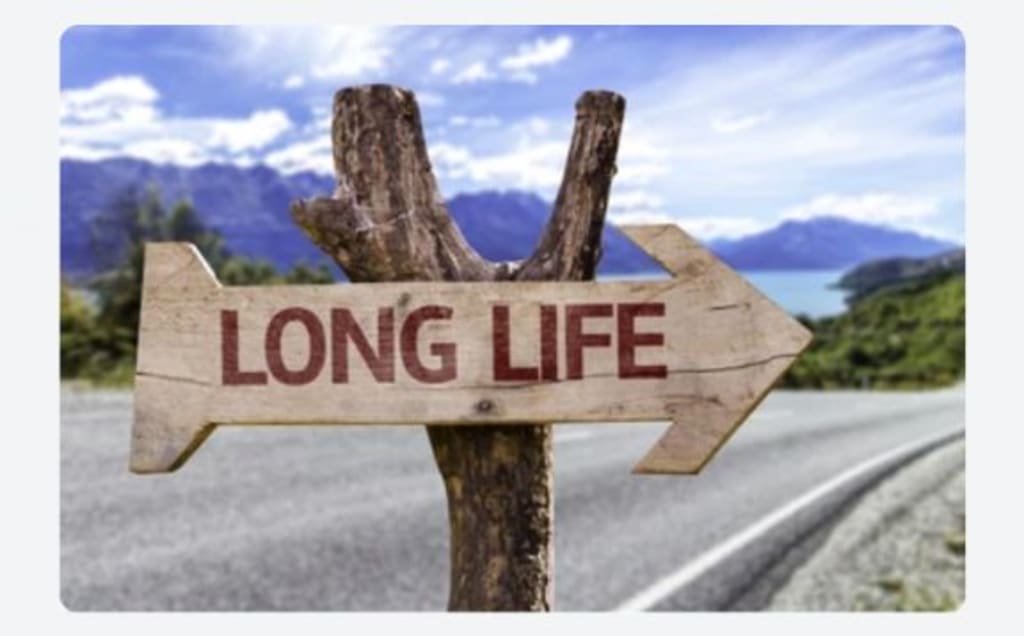
What is longevity
Longevity refers to the length or duration of an individual's life or the lifespan of a living organism. It is the measure of how long someone or something can live before reaching the end of their natural life cycle. In the context of humans, longevity usually refers to the study and understanding of the factors that contribute to a long and healthy life, as well as the pursuit of interventions and practices that may extend human lifespan.
Longevity is influenced by a variety of factors, including genetics, lifestyle choices, diet, exercise, environmental factors, and access to healthcare. Scientists and researchers study longevity to better understand the mechanisms of aging and to explore strategies and interventions that may increase human lifespan and improve the quality of life in old age.
There is ongoing research in the field of longevity, with the aim of identifying genetic and molecular factors that affect aging, developing interventions to slow down tg process, and explRegular Physical Activity: Engaging in regular exercise and staying physically active has been consistently associated with a longer lifespan and a reduced risk of chronic diseases.
Healthy Diet: Consuming a balanced and nutritious diet that includes plenty of fruits, vegetables, whole grains, lean proteins, and healthy fats is crucial for overall health and longevity.
Maintaining a Healthy Weight: Maintaining a healthy weight, particularly avoiding obesity, is important for reducing the risk of various health conditions and promoting longevity.
Avoiding Smoking: Smoking is strongly linked to numerous health problems and significantly shortens lifespan. Quitting smoking or never starting in the first place is crucial for increasing life expectancy.
Moderate Alcohol Consumption: Moderate alcohol consumption, if any, has been associated with a reduced risk of certain diseases and may have some health benefits. However, excessive alcohol intake can have detrimental effects on health and longevity.
Adequate Sleep: Getting sufficient sleep on a regular basis is important for overall health, cognitive function, and maintaining a healthy immune system. Lack of sleep has been associated with various health problems and a shorter lifespan.
Social Connections: Maintaining strong social connections and engaging in meaningful relationships has been linked to better mental health, emotional well-being, and potentially longer life expectancy.
Managing Stress: Chronic stress can negatively impact health and accelerate the aging process. Implementing stress management techniques such as exercise, meditation, or engaging in hobbies can contribute to longevity.
Cognitive Stimulation: Keeping the brain active and engaged through activities like reading, puzzles, learning new skills, and social interactions may help maintain cognitive function and promote a longer life.
Regular Health Check-ups: Regular visits to healthcare professionals for preventive screenings, vaccinations, and early detection of health issues can contribute to better overall health and longevity by addressing potential problems before they become severe.
It's important to note that while these habits have been associated with longevity, individual circumstances and genetic factors also play a significant role. It's always recommended to consult with healthcare professionals for personalized advice on lifestyle choices that can contribute to a longer and healthier life.oring potential treatments for age-related diseases. However, it's important to note that while advancements in medical science and lifestyle improvements may increase the average lifespan, achieving significant extensions in human longevity beyond the current biological limits remains a topic of scientific debate and exploration.
Here are ten habits that have been linked to life longevity:
Regular Physical Activity: Engaging in regular exercise and staying physically active has been consistently associated with a longer lifespan and a reduced risk of chronic diseases.
Healthy Diet: Consuming a balanced and nutritious diet that includes plenty of fruits, vegetables, whole grains, lean proteins, and healthy fats is crucial for overall health and longevity.
Maintaining a Healthy Weight: Maintaining a healthy weight, particularly avoiding obesity, is important for reducing the risk of various health conditions and promoting longevity.
Avoiding Smoking: Smoking is strongly linked to numerous health problems and significantly shortens lifespan. Quitting smoking or never starting in the first place is crucial for increasing life expectancy.
Moderate Alcohol Consumption: Moderate alcohol consumption, if any, has been associated with a reduced risk of certain diseases and may have some health benefits. However, excessive alcohol intake can have detrimental effects on health and longevity.
Adequate Sleep: Getting sufficient sleep on a regular basis is important for overall health, cognitive function, and maintaining a healthy immune system. Lack of sleep has been associated with various health problems and a shorter lifespan.
Social Connections: Maintaining strong social connections and engaging in meaningful relationships has been linked to better mental health, emotional well-being, and potentially longer life expectancy.
Managing Stress: Chronic stress can negatively impact health and accelerate the aging process. Implementing stress management techniques such as exercise, meditation, or engaging in hobbies can contribute to longevity.
Cognitive Stimulation: Keeping the brain active and engaged through activities like reading, puzzles, learning new skills, and social interactions may help maintain cognitive function and promote a longer life.
Regular Health Check-ups: Regular visits to healthcare professionals for preventive screenings, vaccinations, and early detection of health issues can contribute to better overall health and longevity by addressing potential problems before they become severe.
It's important to note that while these habits have been associated with longevity, individual circumstances and genetic factors also play a significant role. It's always recommended to consult with healthcare professionals for personalized advice on lifestyle choices that can contribute to a longer and healthier life.
Here are ten habits that have been linked to life longevity
About the Creator
Keep reading
More stories from Bashiru Ahmad and writers in Humans and other communities.
Best investment ideas 2023
I can provide you with some investment ideas for 2023. However, please note that investment decisions should be based on thorough research and consideration of your individual financial goals and risk tolerance. It is always advisable to consult with a financial advisor or professional before making any investment decisions. That being said, here are some investment ideas that you may consider:
By Bashiru Ahmad 3 years ago in Confessions
The CEO of Everything
They say "jack of all trades, master of none," but they forgot to mention the part where the jack of all trades is also the camera woman, the makeup artist, and the person currently yelling at a tangled Wii microphone cable in a her own bathroom while recording herself singing and trying to make it look realistic and professional. (As professional as you can make it with nothing but a cell phone camera and a mic that doesn't work)
By Sara Wilson5 days ago in Humans
Vaishnavi Sharma and the Quiet Strength Behind Her Journey
Some names appear suddenly in public conversation, while others grow quietly through effort, patience, and time. Vaishnavi Sharma belongs to the second kind. Her story is not built on noise or constant attention. It is shaped by steady movement, personal choices, and moments that rarely make headlines but deeply matter. People search for Vaishnavi Sharma for different reasons. Some are curious about her background. Others want to understand her work, her rise, or the values she represents. What connects all these questions is a sense that there is more beneath the surface. This article looks closely at who Vaishnavi Sharma is, where her story begins, and why her journey continues to resonate with so many people.
By Muqadas khanabout 17 hours ago in Humans
Affection and Healing for Yourself
During the night of the last quarter moon, I gathered my ritual supplies. I carefully handled the chunk of black tourmaline that would protect me from your overall negative and narcissistic energy. I carefully walked the house with my stick of selenite in hand, asking the universe to cleanse our working space.
By Alisha Wilkins ✒️🦋🖋️3 days ago in Fiction


Comments
There are no comments for this story
Be the first to respond and start the conversation.