
Get Ready for an Extra Hour of Sleep: Daylight Saving Time is Ending in North Carolina
Daylight Saving Time


Get Ready for an Extra Hour of Sleep: Daylight Saving Time is Ending in North Carolina
As fall approaches, it’s almost time to turn back the clocks and enjoy that extra hour of sleep. In North Carolina, daylight saving time (DST) is about to end. Each year, we move our clocks forward in the spring and turn them back again in the fall, a routine that's been in place for decades. This year, daylight saving time will end on Sunday, Nov. 3, at 2 a.m., giving us an extra hour to rest and making the mornings a little brighter.
What is Daylight Saving Time?
Daylight saving time is a system used to make better use of daylight during the longer days of spring and summer. By moving the clock ahead by an hour, we get more sunlight in the evening, which saves energy and gives us longer days to enjoy outdoor activities. According to the U.S. Department of Energy, the four-week extension of daylight saving time back in 2008 helped save about 0.5% of the nation's electricity per day. This may not sound like much, but it adds up to around 1.3 trillion watt-hours of power, enough to run 100,000 homes for an entire year!
Could Daylight Saving Time Become Permanent?
Even though changing the clocks has been a long-standing tradition, it could soon become a thing of the past. In recent years, there has been a growing push to make daylight saving time permanent across the U.S. In 2022, federal lawmakers introduced the Sunshine Protection Act, which aims to keep daylight saving time year-round. This would eliminate the need to “fall back” in November or “spring forward” in March, letting us keep the extra evening daylight permanently.
However, this bill is still stuck in the House and hasn't made much progress since last year. In North Carolina, lawmakers have also attempted to pass similar legislation. Several bills were introduced in the state Senate and House in 2022, with the goal of keeping North Carolina on daylight saving time all year. But like the national effort, these bills didn’t get far.
Why Do We Use Daylight Saving Time?
The main purpose of daylight saving time is to save energy and make better use of daylight during the warmer months. Beyond energy savings, there are other potential benefits. Studies have shown that having more daylight in the evening hours can lead to safer roads since drivers aren’t navigating in the dark as often. There’s also evidence that it could lower crime rates because more daylight means less time for crimes to occur in the dark. Plus, longer days can help boost the economy, as people are more likely to go out shopping or enjoy recreational activities when it’s still light outside.
However, not everyone is a fan of the time changes. Some critics argue that turning the clocks back in the fall means darker mornings, which can make it harder to get out of bed and start the day, especially during the winter months. This can be particularly tough for commuters and parents who have to drive their kids to school when it’s still dark outside. Additionally, farmers have expressed concerns that daylight saving time can interfere with their schedules, especially during harvesting seasons.
Not Everyone Observes Daylight Saving Time
While most of the U.S. follows daylight saving time, not all states and territories do. Arizona and Hawaii, for example, have opted out of daylight saving time, as allowed by the Uniform Time Act of 1966. Instead, they stay on standard time year-round. Some U.S. territories, including Puerto Rico, Guam, American Samoa, the Northern Mariana Islands, and the Virgin Islands, also don’t observe daylight saving time.
Will the Tradition Continue?
As the push for permanent daylight saving time continues, it’s unclear whether the tradition of changing our clocks twice a year will stick around for much longer. While many people enjoy the extra hour of daylight during the warmer months, the back-and-forth time shifts can be disruptive. For now, though, the end of daylight saving time is just around the corner, so don’t forget to set your clocks back on Nov. 3.
In the meantime, enjoy that extra hour of sleep — and the brighter mornings that come with it!
About the Creator
Sunil Christian
find here all type of news
Keep reading
More stories from Sunil Christian and writers in Humans and other communities.
Earth Shook for Nine Days Following Climate-Driven Mega-Tsunami
Earth Shook for Nine Days Following Climate-Driven Mega-Tsunami A massive landslide and subsequent mega-tsunami in Greenland, triggered by the climate crisis in September 2023, caused the Earth to vibrate for nine days. This seismic event, which had never been seen before, left scientists puzzled. Earthquake sensors across the globe picked up the vibrations, but at first, nobody could figure out what caused them. Eventually, researchers discovered that global warming had led to this unprecedented disaster, showing how rapidly rising temperatures are starting to have significant planetary effects.
By Sunil Christianabout a year ago in Earth
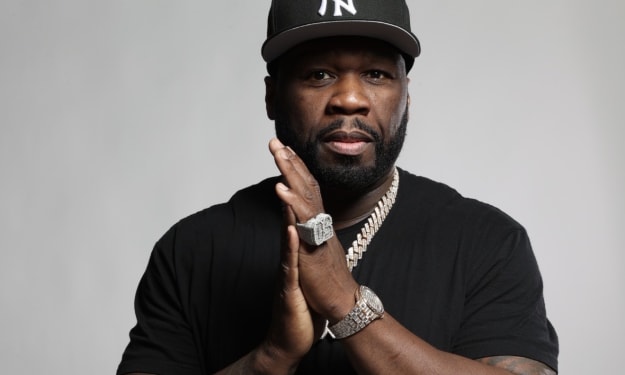
50 Cent Finalizes Massive Louisiana Deal Expected To Generate $18 Billion In Revenue
Shreveport, Louisiana has officially been stamped G-Unit ville. Curtis “50 Cent” Jackson has officially cemented his deal with the northwest city in the state. By meeting with the governor and other officials, 50 has been able to bring his brainchild of an entertainment venue to that region. With some fanfare and photographs, the “21 Questions” rap superstar has laid out a plan to bring 6,000 jobs, $18 billion in revenue, and $300,000,000 in wages to Shreveport.
By Skyler Saunders6 days ago in Humans



Comments
There are no comments for this story
Be the first to respond and start the conversation.