
From Strangers to Family: The Unexpected Bonds Formed During Difficult Times
How shared adversity and hardship can create lasting connections that go beyond mere acquaintances, forming powerful relationships built on empathy and support.

From Strangers to Family: The Unexpected Bonds Formed During Difficult Times
In our fast-moving lives, we pass by countless strangers—on sidewalks, in cafes, on public transport—rarely considering the stories they carry. But when hardship strikes, those who were once invisible can suddenly become lifelines. During adversity, something remarkable happens: strangers transform into companions, confidants, and even chosen family. These unexpected bonds aren’t built on years of shared history but on a deeper connection—empathy born from shared struggle.
The Power of Shared Struggle
Hard times have a way of stripping us down to our most human selves. Adversity doesn’t care who you are, what you do, or where you’re from—it equalizes us. And in that space of vulnerability, true connection becomes possible. When people go through similar pain or loss, it forges a kind of kinship that bypasses small talk and dives straight into the heart of who we are.
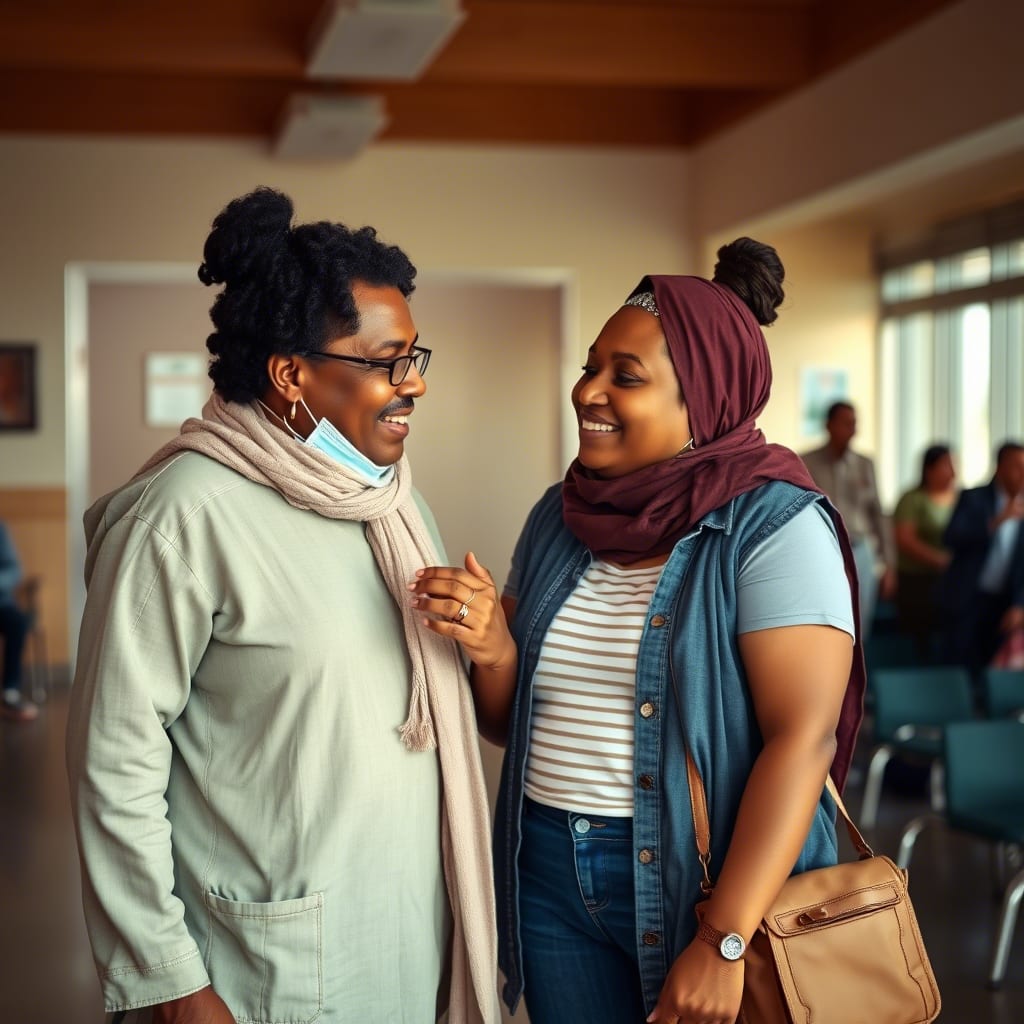
Consider two strangers in a hospital waiting room, each silently worried about a loved one behind closed doors. They exchange glances, maybe a few words. Hours pass. They begin to talk. Before they know it, they’re leaning on each other, offering comfort that family members or friends couldn’t give—because they understand exactly what the other is feeling. It's not the length of the relationship that matters; it’s the depth of shared experience.
Crisis as a Catalyst for Connection
Throughout history, crisis has brought people together in extraordinary ways. After natural disasters, wars, or public tragedies, communities often describe how acts of kindness from strangers were the most memorable and meaningful parts of the experience. These are the moments when people step outside their routines and become present for each other in powerful, lasting ways.
During the COVID-19 pandemic, neighbors who had never spoken before began checking in on one another. Strangers left groceries on doorsteps, started virtual support groups, and sent messages of hope across cities and countries. In a world forced into isolation, many people found surprising companionship through digital spaces—sometimes more genuine than their in-person relationships before the crisis.
These events revealed that beneath our differences lies a deep, shared humanity. When the world shakes, we often find comfort in those who are shaking too.
Empathy: The Bridge That Connects
At the center of these bonds is empathy—the ability to step into someone else’s shoes, even if just for a moment. When two people face similar pain, there's no need to explain or justify their feelings. They just know. This creates a shortcut to intimacy, where emotional masks come off, and honesty takes center stage.
Empathy allows us to connect without pretense. It opens the door for vulnerability, which in turn builds trust. When someone sees your hurt and doesn’t flinch—or better yet, mirrors it with their own story—you begin to feel less alone. That shared recognition is the seed from which lasting connections grow.
The Families We Choose
Not all meaningful relationships come from bloodlines. Sometimes, the people who show up for us in our darkest times are not relatives, but companions we meet in the storm. They may not know our history, but they see our pain. They don’t always have the perfect words, but they show up—and sometimes, that’s all we really need.
These chosen families might include a support group that becomes your sanctuary, a coworker who stood by you during a personal loss, or a fellow patient who offered a hand when you felt weak. These people become significant not through tradition, but through truth. They see you, support you, and often stay long after the storm passes.
The Temporary but Impactful Bonds
Not all connections forged in difficulty are meant to last forever—and that’s okay. Some people come into our lives just for a moment, a season, or a crisis. Maybe it was a volunteer who helped you evacuate, a friend you met in rehab, or a stranger who shared a kind word when you needed it most.
Even if these bonds fade with time, their impact remains. They taught us something, gave us strength, or simply reminded us of our own humanity. These temporary relationships, brief as they may be, can leave permanent marks on our hearts.
Turning Strangers into Safe Spaces
The more we recognize that everyone carries unseen burdens, the more we can begin to meet others with compassion—without waiting for disaster to push us together. Imagine if we approached everyday interactions with the same openness we offer in crisis. The clerk at the store, the rideshare driver, the quiet classmate—they all have stories. They all have moments of struggle. And perhaps, with a little kindness, we can become part of their healing, just as they might become part of ours.
The truth is, we don’t have to wait for catastrophe to build connection. We can start by listening more deeply, offering support more freely, and treating strangers as potential allies in this unpredictable journey of life.
Conclusion: Chosen Families Born in the Fire
Hardship isn’t something anyone seeks, but when it comes, it brings with it a hidden gift: the chance to truly see one another. When we’re stripped of our defenses, we’re more likely to reach out—and to be reached. In those moments, strangers become fellow travelers, companions in suffering, and sometimes, chosen family.
These are the people who sit with us when the pain feels unbearable, who offer comfort without condition, and who remind us, even without words, that we are not alone. The bonds we form in these moments are real, raw, and sometimes more meaningful than any connection we've built over years.
So, let’s honor those unexpected relationships. Let’s recognize the courage it takes to open up in pain and the beauty that can emerge from shared vulnerability. Because sometimes, the strongest families are not the ones we’re born into—but the ones we discover, one hardship at a time.
About the Creator
Mysteries with Professor Jahani
Professor Abdul Baqi Jahani, Ph.D. from Oxford, is an esteemed educator and writer specializing in global governance and legal theory. He adeptly combines academic rigor with storytelling to provide insightful analyses on law society.
Keep reading
More stories from Mysteries with Professor Jahani and writers in Humans and other communities.
The Love Languages You’ve Never Heard Of: Beyond the Famous Five
Introduction For decades, Gary Chapman’s famous model of the five love languages—words of affirmation, acts of service, receiving gifts, quality time, and physical touch—has provided a framework for understanding how we give and receive love. While this model has served millions well, the complexities of modern relationships reveal that love is communicated through an even richer array of languages. Beyond the familiar five, there are subtle, unexpected, and deeply personal ways that individuals express and perceive love. These unique expressions not only deepen our connections with others but also allow us to better understand the many layers of our own hearts. This article explores these lesser-known love languages, offering new perspectives on how love can be felt, shared, and celebrated in today’s diverse world.
By Mysteries with Professor Jahani11 months ago in Humans


Comments
There are no comments for this story
Be the first to respond and start the conversation.