
Fostering a Culture of Respect: Building a Healthy Relationship Together
Learn how to build a healthy relationship by nurturing mutual respect.

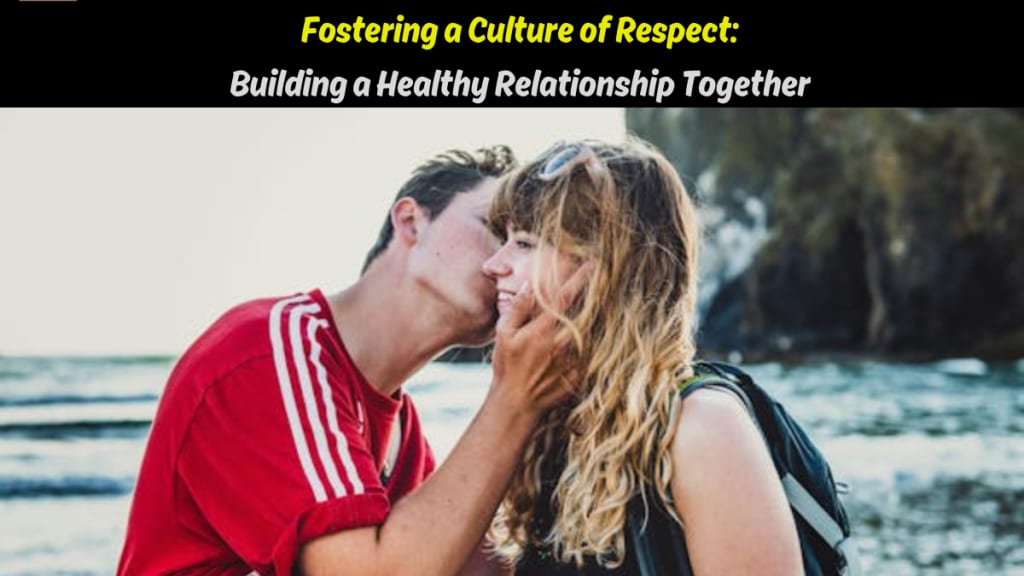
Respect is a foundational element of healthy relationships. It creates an environment where both partners feel valued and supported, fostering emotional intimacy and trust. Fostering a culture of respect involves consistent efforts from both individuals to honor each other's feelings, opinions, and boundaries. This article will explore practical strategies for building a respectful relationship and the benefits of doing so.
Understanding Respect in Relationships
What is Respect?
Respect in relationships means recognizing and valuing your partner's worth as an individual. It involves treating each other with kindness, empathy, and understanding. Respectful partners communicate openly, listen actively, and validate each other’s feelings. This mutual regard fosters a safe environment for both individuals to thrive.
Why is Respect Important?
Respect is crucial for several reasons. It enhances communication, builds trust, and promotes emotional safety. When both partners feel respected, they are more likely to share their thoughts and feelings honestly, leading to deeper connections and a more fulfilling relationship. A culture of respect helps navigate challenges effectively and strengthens the bond over time.

Signs of a Respectful Relationship
1. Open Communication
Encouraging Honest Dialogue
In a respectful relationship, partners communicate openly and honestly. They feel safe discussing their thoughts and feelings without fear of ridicule. This kind of communication fosters understanding and helps resolve conflicts peacefully, reinforcing the bond between partners.
2. Active Listening
Engaging with Empathy
Active listening is a key sign of respect. Partners who listen attentively show that they value each other's perspectives. This practice involves not just hearing words but also understanding the emotions behind them, which deepens the connection and promotes mutual respect.
3. Support for Each Other’s Goals
Encouraging Growth Together
Respectful partners celebrate each other’s achievements and support their goals. Whether it’s a career change or a personal project, they encourage each other to pursue their dreams. This support fosters a sense of partnership and helps both individuals feel valued.
4. Healthy Boundaries
Understanding Personal Limits
Respectful relationships acknowledge and honor each other’s boundaries. Partners communicate their limits clearly and make an effort to respect them. This mutual understanding creates a sense of safety, allowing both individuals to express themselves freely.
5. Constructive Conflict Resolution
Navigating Disagreements Respectfully
In any relationship, conflicts are inevitable. However, respectful partners approach disagreements constructively. They focus on resolving the issue rather than attacking each other, maintaining a respectful tone throughout the discussion. This approach leads to healthier resolutions and strengthens the relationship.

Strategies for Fostering a Culture of Respect
1. Practice Open Communication
Creating a Safe Space for Dialogue
To foster respect, establish a habit of open communication. Set aside time for meaningful conversations where both partners can express their thoughts and feelings without interruption. Encourage honesty and vulnerability, creating a safe space where both individuals feel comfortable sharing.
2. Actively Listen
Demonstrating Engagement
Make a conscious effort to listen actively when your partner speaks. Show that you are engaged by maintaining eye contact and providing verbal affirmations. Summarize what they say to ensure understanding. This practice not only shows respect but also encourages deeper connections.
3. Celebrate Each Other’s Achievements
Acknowledging Success Together
Take time to celebrate each other’s successes, both big and small. Recognizing your partner’s achievements fosters a sense of pride and support. Whether it’s a promotion at work or completing a personal goal, celebrating together strengthens the bond and nurtures respect.

4. Establish and Respect Boundaries
Defining Personal Limits
Discuss and establish boundaries that work for both partners. Be clear about your needs and limits, and encourage your partner to do the same. Respecting these boundaries fosters a sense of safety, enabling both individuals to express themselves freely.
5. Approach Conflicts Constructively
Focusing on Solutions
When conflicts arise, focus on finding solutions together rather than placing blame. Use “I” statements to express your feelings and avoid accusatory language. This respectful approach encourages collaboration and helps both partners feel heard and valued.
6. Show Appreciation Regularly
Expressing Gratitude
Regularly express appreciation for your partner’s efforts and contributions. Simple gestures of gratitude, such as saying “thank you” or acknowledging their hard work, go a long way in fostering a respectful environment. This practice reinforces the value you place on your partner.
7. Be Empathetic
Understanding Each Other’s Feelings
Practice empathy by trying to understand your partner’s feelings and perspectives. Acknowledge their emotions, even if you don’t agree with them. This validation fosters compassion and strengthens the emotional bond between partners.

Overcoming Challenges in Fostering Respect
1. Communication Barriers
Identifying and Addressing Issues
Poor communication can hinder the development of respect. If you find it challenging to express your thoughts or listen actively, consider seeking help. Engaging in workshops or therapy can improve communication skills and foster a more respectful dialogue.
2. Past Resentments
Addressing Old Wounds
Unresolved issues can create barriers to mutual respect. If past grievances linger, address them openly with your partner. Discussing these feelings can help clear the air and reinforce the commitment to respect and understanding.
3. Different Backgrounds and Values
Navigating Differences
Partners often come from different backgrounds, which can lead to conflicting values. Acknowledging these differences is essential for fostering respect. Engage in open discussions about your values and beliefs, seeking to understand rather than judge. This approach promotes mutual respect and understanding.
4. Stress and External Pressures
Managing External Factors
External stressors can impact how partners treat each other. If life becomes overwhelming, it can be easy to forget the importance of respect. Make it a priority to communicate openly about your stress and support each other through tough times, reinforcing respect in the process.

Conclusion
Fostering a culture of respect is essential for building and maintaining healthy relationships. By practicing open communication, active listening, and supporting each other’s goals, partners can create a nurturing environment where both individuals feel valued. Establishing healthy boundaries and approaching conflicts constructively further enhances mutual respect.
While challenges may arise, addressing them with empathy and understanding can lead to stronger bonds. Ultimately, a respectful culture allows couples to navigate differences and deepen their emotional connection, leading to a more fulfilling relationship. By prioritizing respect in all interactions, partners can cultivate a lasting and loving partnership.
FAQs
1- What does it mean to foster a culture of respect?
Fostering a culture of respect means creating an environment where both partners value each other’s feelings, opinions, and boundaries, leading to healthy communication and emotional intimacy.
2- Why is respect important in relationships?
Respect is crucial because it enhances communication, builds trust, and promotes emotional safety. When both partners feel respected, they are more likely to share openly and strengthen their bond.
3- How can I improve communication in my relationship?
Improve communication by establishing regular check-ins, practicing active listening, and using “I” statements to express your feelings. Creating a safe space encourages honesty and vulnerability.
4- What are some signs of a respectful relationship?
Signs include open communication, active listening, support for each other’s goals, healthy boundaries, and constructive conflict resolution. These behaviors indicate a culture of mutual respect.
5- How do I handle conflicts respectfully?
Handle conflicts respectfully by focusing on solutions, using “I” statements, and avoiding blame. Acknowledge each other’s feelings and work together to resolve issues without hostility.
Short Note for Unsplash and Pexels
For high-quality images to enhance your article on fostering a culture of respect, visit Unsplash and Pexels. Both platforms offer a variety of free images that can beautifully illustrate your content.
If you found this article helpful and want to enhance your relationships even further, explore more insightful articles on our site! Discover tips, strategies, and advice tailored to help you navigate love and communication. Dive in now and unlock the benefits of healthier connections! Click Here….
The End.
About the Creator
Abdul Jamil Nasir
Hello! I’m Abdul Jamil Nasir, a passionate writer exploring life, love, and culture. I focus on relationships, personal growth, and human emotions, believing in the power of words to inspire and connect with readers.
Keep reading
More stories from Abdul Jamil Nasir and writers in Humans and other communities.
Disagreeing with Respect: How to Handle Conflicts Gracefully
Disagreements are a natural part of any relationship, whether romantic, familial, or professional. How we handle these conflicts can significantly impact our relationships. Disagreeing with respect involves communicating differences of opinion without resorting to hostility or disrespect. This article will explore effective strategies for managing conflicts gracefully, ensuring that both parties feel heard and valued.
By Abdul Jamil Nasirabout a year ago in Humans
Center Stage with Paul Stewart
*** I'm keen to republish the interviews I did for my series with Vocal creators. It's been a few years and I thought it might be nice to revisit these wonderful conversations. I'll be releasing them one at a time for a few weeks/months.
By Heather Hubler4 days ago in Interview




Comments
There are no comments for this story
Be the first to respond and start the conversation.