
Disagreeing with Respect: How to Handle Conflicts Gracefully
Learn essential strategies for resolving disagreements while maintaining respect and harmony.

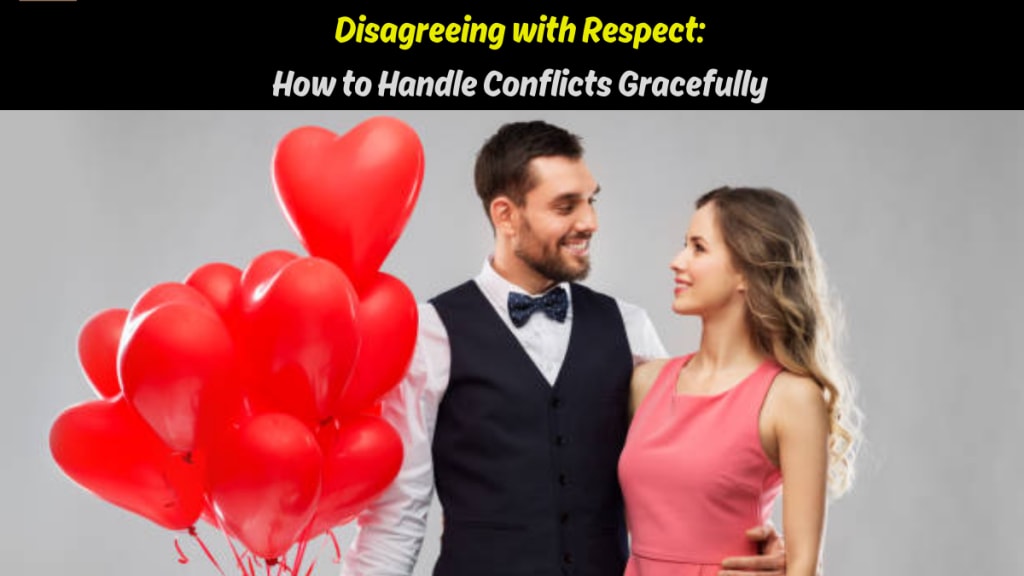
Disagreements are a natural part of any relationship, whether romantic, familial, or professional. How we handle these conflicts can significantly impact our relationships. Disagreeing with respect involves communicating differences of opinion without resorting to hostility or disrespect. This article will explore effective strategies for managing conflicts gracefully, ensuring that both parties feel heard and valued.
Understanding the Importance of Respectful Disagreement
What Does Respectful Disagreement Mean?
Respectful disagreement means expressing differing opinions while maintaining a sense of kindness and understanding for the other person’s perspective. It’s about creating an environment where both parties can share their thoughts openly without fear of negative repercussions. This approach fosters healthy dialogue and strengthens relationships.
Why is Respectful Disagreement Important?
Handling disagreements with respect is crucial for several reasons. It helps prevent escalation into arguments, reduces feelings of resentment, and maintains a sense of safety in the relationship. When conflicts are managed respectfully, both individuals feel validated, leading to better resolution and a deeper understanding of each other.

Key Strategies for Disagreeing with Respect
1. Stay Calm and Collected
Managing Your Emotions
When disagreements arise, emotions can run high. It’s essential to stay calm and collected. Take a moment to breathe deeply and gather your thoughts before responding. This pause allows you to approach the situation with a clearer mind and reduces the chance of saying something you might regret.
2. Use “I” Statements
Expressing Your Feelings
Using “I” statements is an effective way to communicate your feelings without sounding accusatory. For example, instead of saying, “You never listen to me,” try, “I feel unheard when our conversations are interrupted.” This method focuses on your emotions and promotes understanding rather than defensiveness.
3. Listen Actively
Engaging in Active Listening
Active listening is a critical skill in any disagreement. This means fully concentrating on what the other person is saying, rather than planning your response while they speak. Show that you are listening by nodding and providing verbal affirmations. This practice not only shows respect but also helps you understand their perspective better.

4. Acknowledge the Other Person’s Perspective
Validating Their Feelings
Recognizing and validating the other person’s perspective is essential for respectful disagreements. Even if you don’t agree, acknowledging their feelings can diffuse tension. You might say, “I understand that you feel strongly about this issue.” This validation fosters a collaborative environment where both parties feel valued.
5. Focus on the Issue, Not the Person
Separating the Problem from the Individual
When discussing disagreements, it’s important to focus on the issue at hand rather than attacking the person. Avoid using language that blames or criticizes the other individual. Instead, frame the conversation around finding solutions to the problem. This approach maintains respect and encourages collaboration.
6. Find Common Ground
Identifying Shared Interests
In any disagreement, there are often areas of agreement. Identifying common ground can help both parties feel more connected and less adversarial. Focus on shared goals or values, which can serve as a foundation for resolving the conflict. This collaborative approach promotes a sense of teamwork.
7. Agree to Disagree
Understanding Differences
Sometimes, despite your best efforts, you may not reach an agreement. In such cases, it’s okay to agree to disagree. Acknowledging that differing opinions can coexist can prevent further conflict and help both parties maintain respect for one another. It’s important to recognize that differences can enrich relationships.

Common Challenges in Respectful Disagreement
1. Emotional Triggers
Recognizing Your Triggers
Emotional triggers can make it difficult to engage in respectful disagreement. Identifying your triggers and understanding how they affect your responses can help you manage your emotions better. When you know what sets you off, you can prepare yourself to respond more thoughtfully in heated moments.
2. Poor Communication Skills
Improving Communication
Sometimes, a lack of communication skills can hinder respectful disagreement. If you struggle to articulate your thoughts or feelings, consider practicing your communication skills. Engaging in role-play scenarios or seeking feedback from trusted friends can help you improve your ability to express yourself clearly and respectfully.
3. Fear of Conflict
Navigating Conflict Avoidance
Fear of conflict can lead individuals to avoid necessary discussions. While it’s natural to want to avoid tension, addressing issues respectfully is essential for maintaining healthy relationships. Recognizing that conflict is a normal part of relationships can help you approach disagreements with a more constructive mindset.
4. Power Imbalances
Addressing Inequalities
In some relationships, power imbalances can complicate disagreements. If one partner feels dominant or superior, it can hinder open dialogue. It’s important to strive for equality in conversations and ensure that both parties feel empowered to express their viewpoints.

Conclusion
Disagreeing with respect is a vital skill that can enhance the quality of your relationships. By staying calm, using “I” statements, actively listening, and acknowledging each other’s perspectives, partners can navigate conflicts gracefully. Focusing on the issue rather than the person and finding common ground further encourages constructive dialogue.
While challenges like emotional triggers and power imbalances may arise, addressing these issues with empathy and understanding can lead to more productive conversations. Ultimately, learning to disagree respectfully strengthens relationships, fosters deeper connections, and creates a healthier environment for growth and understanding.
By embracing conflict as a natural part of relationships and approaching disagreements with respect, you can cultivate lasting bonds built on trust and understanding.
FAQs
1- What does it mean to disagree respectfully?
Disagreeing respectfully means expressing differing opinions while maintaining kindness and understanding. It involves open dialogue, active listening, and validating each other’s perspectives without resorting to hostility.
2- Why is respectful disagreement important in relationships?
Respectful disagreement is crucial because it helps prevent escalation into arguments, fosters understanding, and maintains a sense of safety, ultimately strengthening the relationship.
3- How can I stay calm during a disagreement?
To stay calm, take deep breaths, pause before responding, and focus on managing your emotions. This allows you to approach the situation with a clearer mindset.
4- What are “I” statements?
“I” statements are a way to express feelings without blaming others. For example, saying “I feel upset when…” instead of “You make me upset” helps reduce defensiveness and encourages understanding.
5- What should I do if we can’t agree?
If you can’t reach an agreement, it’s okay to agree to disagree. Acknowledging differing opinions can prevent further conflict and maintain respect in the relationship.
Short Note for Unsplash and Pexels
For high-quality images to enhance your article on respectful disagreement, visit Unsplash and Pexels. Both platforms offer a variety of free images that can beautifully illustrate your content.
If you found this article helpful and want to enhance your relationships even further, explore more insightful articles on our site! Discover tips, strategies, and advice tailored to help you navigate love and communication. Dive in now and unlock the benefits of healthier connections! Click Here….
The End.
About the Creator
Abdul Jamil Nasir
Hello! I’m Abdul Jamil Nasir, a passionate writer exploring life, love, and culture. I focus on relationships, personal growth, and human emotions, believing in the power of words to inspire and connect with readers.
Keep reading
More stories from Abdul Jamil Nasir and writers in Humans and other communities.
Signs of Mutual Respect: Are You Nurturing It in Your Relationship?
Mutual respect is a cornerstone of any healthy relationship. It involves recognizing and valuing each other's thoughts, feelings, and boundaries. When mutual respect is present, partners are more likely to feel secure, understood, and valued. In this article, we will explore the signs of mutual respect in relationships and discuss how to nurture it for a stronger connection.
By Abdul Jamil Nasirabout a year ago in Humans
Valentine’s Day Chat Up Lines That Get Replies Not Ghosted
Valentine's Day adds strain. Messages are more important. With one lousy opening, the conversation dies. We've all seen it. A dry greeting. A copied line. There was silence afterwards. Attention is quickly gained and lost by Generation Z. That's why Valentine's Day chat lines require more than just charm. They require timing, tone, and genuine intent.
By Relationship Guide2 days ago in Humans
Miss Persephone's Manual to a Seemingly Ordinary Life
Miss Persephone was found at the dining table, her blue eyes swollen, her tears arriving and retreating like the tides of the ocean. Earlier that day, her family had visited her in the retirement home where she had lived for eight years. It was her eightieth birthday.
By Imola Tóth2 days ago in Fiction



Comments
There are no comments for this story
Be the first to respond and start the conversation.