
It had not rained for two weeks. The ants claimed refuge from the summer heat in their hills, the birds in their nests, and the squirrels in their trees. The farmer found no such respite and was forced by necessity to make his monthly journey to the communal well at the edge of town. He said bye to his wife, untied his mule, and set off on his journey armed with his walking stick and eagle-like sight. He had made this same trek a thousand times, and not once did he complain or resent the simple but arduous task. On his way towards the wooden gate, a group of dusty, oblivious children ran in front of his path and sent a shudder through him that shook his weary spirit. Whenever he heard the carefree chuckles of the adolescents or saw them running at full speed to eat their lunch he was reminded of his frail state. He had grown old. Since he was ten years old, he had been working on the patròn’s estate, living in the same one-room red brick hut that he was born in. His translucent skin, brittle platinum hair, and malnourished appearance made the children scatter with fright in their hearts whenever he approached. The farmer was a sinewy skeleton blanketed in a taut skin covering. The other workers often referred to him as a specter that haunted the estate. His appearance betrayed his personality. The trials of rural life had hardened his exterior, but the beauty of nature had softened his soul. He removed himself from earthly concerns, besides his daily chores, and would seldom make conversation with his neighbors. They were far too young to say anything of importance. The farmer usually sat in the patròn’s gardens during his leisure time, listening to the bees and smelling the sweet lavender and cardamom plants, while the other tenants whispered about the triumphs, and more likely defeats, of the romantic revolutionaries. Recently the eastern front guerrillas had made it as close as two miles away from the capital, where the farmer lived. Rifle shots and stifled screams could be heard by the workers at night. The children would sometimes pretend to be soldiers and play with sticks that resembled gun barrels. The farmer did not place any emotion or expectation in the amorphous revolution. He had lived through five defeated revolutions, each one bloodier than the last. In his youth, the farmer would daydream about joining the freedom fighters, and he almost did. But those bygone days were like the memories of an old lover: bittersweet. The early revolutions captured the imagination of the whole country. Every night rebellious citizens would furtively turn on their radios to hear the developments of the guerillas; adjusting the volume so it was as silent as a mosquito’s hum. But it seemed to the farmer that whenever the rebels made considerable gains, the government would reclaim just as much land in another province. So, the farmer gave up on his dreams of equality and freedom, resigning his life to one of simplicity and duty. In any case, there were more pressing matters to attend to the chickens must be fed, the cows must be milked, the soil tilled, the food prepared, and the water collected. Revolutions demand sacrifices of body and spirit. They were complicated, nasty affairs. And at the end of it all, there was rarely anything to show for it. The farmer knew all of this and decided to continue living his straightforward existence.
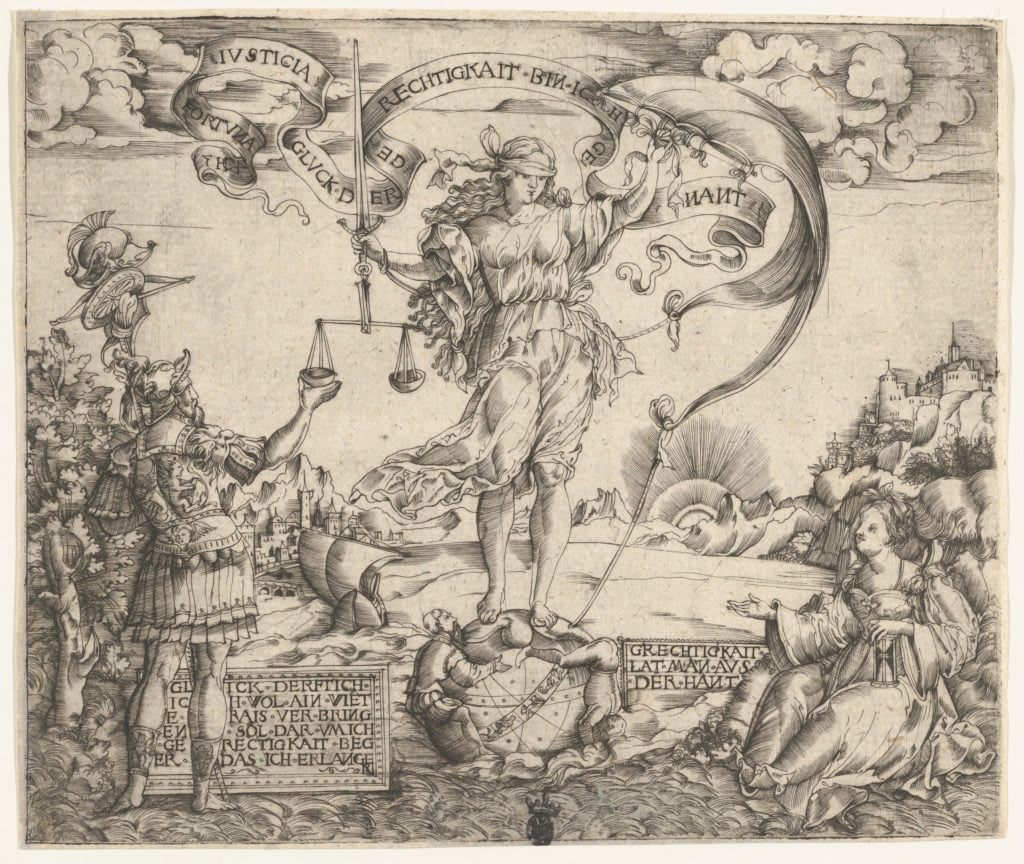
The patròn would officiate every workday by summoning all his tenants around his pillared villa and leading group prayer, beseeching the Lord for the King’s health, a bountiful harvest, and the obliteration of the insurgents that by now were only held together by Fortuna’s blind gifts. The farmer usually left the estate at noon, after finishing all his required chores, to fetch water for the month. But the merciless tropical sun had forced him to wake up before the rooster’s crow and make an earlier start to his day. He would have to return before group prayer to ensure that his presence was noted. The farmer reached the gate that was connected to town by a dirt path that snaked its way up the mountain and down the valley and reached its destination: the well. There was no time for delay. He pushed open the large double-door wooden gate, led the stubborn pack mule through the opening, and nodded at the night sentry. Mayor de la Cruz did not yet commission electric streetlamps as far as the farmer’s estate. He had to slowly feel his way through the overgrown shrubs before he reached the four-way intersection. Each of the four roads respectively leading to the well, the barracks, town hall, and the church. The pack mule, known affectionately as Sancho, swayed to the right as if to show his owner which way to go. “We have our heading, Sancho,” the farmer said. Making his way to the right, he pulled the donkey’s rein and began to make his winding descent towards the well. The sky was still dotted with a million stars. The farmer always paused to savor that awe-inspiring vista. His eyes would drink in the receding moon and he would swallow large gulps of fresh air. When the wind gently swayed the palm fronds, and the toucans sang their indecipherable melodies, the farmer was reminded of the beauty of his land. Only the women could compare. After he feasted his eyes and mind on the wonderful sights, he came to and noticed that he had only a few hours left before he must return to the estate. The farmer gave the mule a light pat on his rump and they started in earnest on their way to the well. After a few hours of interminable silence traveling narrow paths, the farmer and Sancho approached the plywood sign that read, “Well”. The well was shadowed by a natural canopy of palm trees which kept the water cool and crisp. The farmer tied the mule to a wooden post a few yards away and brought his stout ceramic jug. As he neared the stone circle that plunged into the abyss, he noticed that the rising sun was perfectly aligned with the center of the hole. It seemed as if a burning golden egg was rising from the dark depths to greet him. The farmer hooked one handle of the jug to the retractable rope that led to the underground water source and began to slowly let it drift downwards, waiting to hear the echoing sound of disturbed water. As a child, retrieving water from the well was his favorite task. He felt free when embraced by nature. The endless stars, the smell of ripe mangoes, and Sancho’s deep rhythmic breathing filled the farmer with an indescribable peace. When out fetching water, the farmer forgot about the revolutions and the difficult chores of everyday life. He simply lived. Plop. The ceramic jug had met the water and was greedily filling itself up. The farmer pulled it back to the surface and unhooked its handle from the rope. He placed a cylindrical cork in the jug’s opening and was ready to be off. As he turned his head to look at Sancho, he spied the smallest golden glimmer snugged in a bush in the surrounding rain forest. He was intrigued and decided to investigate. Leaving the jug with Sancho, the farmer slashed his way through the hanging vines and stubborn weeds with a rusting machete until he caught sight of the golden glimmer again. After all his years of living, the only thing time could not take was his sight. Once he reached a clearing in the forest, he realized that he was ankle-deep in a sea of gold, silver, and copper waves. The forest floor was as bright and luminous as molten lava. The vibrant colors reflected on the farmer’s face gave him the appearance of a masked dead Pharaoh. In the middle of the bulging mass of gold and silver coins was a fraying leather trunk with the top thrown askew in the tall grass. The farmer had to use all his strength to lift his legs and tediously walk his way through the hoard of treasure. Upon finally reaching the little chest that stood as a black island surrounded by a fluid expanse of metal, he noticed a small, neatly bound black book nestled inside. The farmer was so overwhelmed by the unimaginable wealth that he did not stop and think of why someone would leave so much gold unattended. He grabbed the black book with both hands and started to inspect every inch of it. He slid his fingers down the spine, he smelt the tanned leather covers, he even bit it to ensure it was not an illusion of the light. The farmer was then overcome with an unshakable feeling that pervaded his entire body. Deep in his bones, for no explicable reason, he knew that this small, insignificant black book was more important than all the precious treasure accompanying it. He warily opened the cover to reveal the writing of the first page. In delicate calligraphy the author titled the first page as, “A detailed inventory of the Treasury of the Revolutionary Forces; and a comprehensive strategy to begin a new offensive that would end the war.” The farmer rolled over every word in his head. Slowly chewing each syllable then deliberately swallowing, making sure he understood it all. After reading the same words for what seemed an eternity, the farmer began to comprehend why the treasury was left so dangerously unprotected. The rebels charged with guarding the desperately needed war funds must have emptied the chest to assess its contents. Their proximity to the capital and the obscure location of the gold led the farmer to believe that the retinue was captured by government forces while gathering refreshments at the nearby well. His head was drowning in its thoughts. In his rough callused hands lay the hope of a nation. The offensive the black book mentioned planned to push the government to the coast and eventually force them to flee the country. Supplied by the funds of the treasury and fueled by the will of the people, the revolution stood one last chance. All the farmer had to do was deliver the 20,000 gold pesos and the even more precious war plans to the local revolutionary headquarters. This was the chance he had been looking for all his life. He hurriedly stuffed as many pesos as he could into the rotting wood trunk until realizing it would be wiser to tell the scruffy revolutionaries the location of the gold. The farmer crammed the notebook into the pocket of his brown linen pants and took one last look at the admirable hoard. He turned towards Sancho and the well and began to walk when suddenly he felt the blossoming of a thousand roses in his chest. It seemed like all the flora in the world had settled in his heart and germinated. He fell to his knees and his whole body went limp. The farmer’s youthful spirit was incompatible with his failing body. All those years of waiting and expecting something that was never meant to succeed had taken its toll on the farmer. He remembered the little children running around the estate and his wife waiting at home. “Fortuna is fickle!” the farmer thought bitterly. The farmer began to dream after the flora in his organs had settled. He dreamt of the cardamom and lavender plants at the estate. He dreamt that the revolution went on to overthrow the government. And he dreamt that the children grew up big and strong.
About the Creator
Keep reading
More stories from writers in Humans and other communities.
Time to change your life.
Is it even possible for you to change your life? A lot of people, more than there should be, are unhappy with their lives. But what are they doing about it? Usually nothing. People talk about how shitty their lives are and want change, but are they not taking the actions to change?
By Jen Phillips2 days ago in Humans
Beyond the Date: How to Use Online Tools to Identify Rare Coin Varieties and Errors
For over eight years as a Senior Numismatic Analyst, I've watched a quiet revolution transform coin collecting. The classic image of a numismatist hunched over dusty catalogs is fading, replaced by the glow of a smartphone screen. Today, identifying a coin's year and mint mark is just the starting point. The real treasure hunt lies in uncovering rare die varieties and mint errors that can transform a common coin into a collector's prize. Fortunately, we have an unprecedented arsenal of online tools at our fingertips. This guide will show you how to move beyond basic identification and systematically use these digital resources to become a more knowledgeable and successful collector. The Digital First Look: AI-Powered Identification Apps.
By Laura Bennett7 days ago in Humans



Comments
There are no comments for this story
Be the first to respond and start the conversation.