
Fifth Kalma of Islam – Meaning, Importance, and Benefits
Fifth Kalma Istighfar – Seeking Forgiveness from Allah


Introduction
The Kalimas of Islam hold deep spiritual and religious importance for Muslims around the world. Each Kalma carries a unique message of faith, repentance, and submission to Allah Almighty. Among them, the Fifth Kalma—also known as Kalma Istighfar—is one of the most profound, as it focuses on seeking forgiveness from Allah for sins and mistakes. This Kalma is a reminder for every believer that no matter how many sins one commits, the doors of Allah’s mercy and forgiveness are always open.
In this blog, we will explore the Fifth Kalma’s Arabic text, translation, meaning, importance, and benefits, along with its role in a Muslim’s daily life.
The Arabic Text of the Fifth Kalma
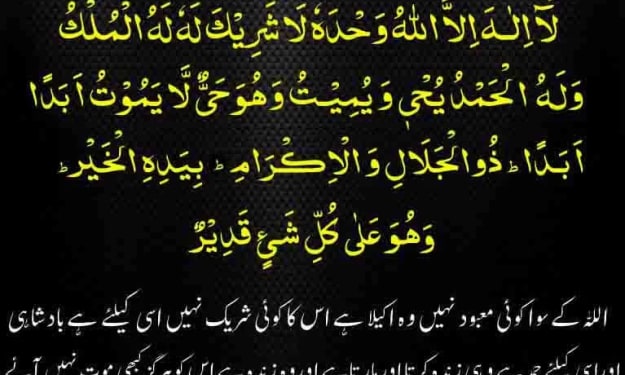
The Fifth Kalma (Istighfar) is recited in Arabic as follows:
Translation of the Fifth Kalma
English Translation:
“O Allah! I seek forgiveness from You for all my sins and I ask You for Your mercy, for none forgives sins except You.”
This translation highlights the humility of a believer, recognizing personal weaknesses and turning to Allah for mercy and forgiveness.
The Meaning of the Fifth Kalma (Kalma Istighfar)
The Fifth Kalma revolves around the concept of Istighfar, which means seeking forgiveness from Allah. As human beings, we are not perfect; we often commit sins knowingly or unknowingly. This Kalma reminds us that forgiveness lies only in the hands of Allah, and no one else has the power to erase sins.
By reciting this Kalma with sincerity, a Muslim acknowledges:
That sins have been committed.
That only Allah can forgive sins.
That repentance is necessary for spiritual purification.
Importance of the Fifth Kalma in Islam
The Fifth Kalma carries immense significance in a Muslim’s life. Let’s look at why it is considered so important:
1. A Door to Forgiveness
The Fifth Kalma encourages Muslims to seek forgiveness and never despair of Allah’s mercy. It teaches that no matter how many sins one commits, turning back to Allah with a sincere heart opens the door to forgiveness.
2. Strengthening Faith (Iman)
When a believer recites the Fifth Kalma, they are reminded of their dependency on Allah. This strengthens their Iman (faith) and creates a stronger bond with the Creator.
3. A Source of Spiritual Purification
Seeking forgiveness purifies the soul, removes guilt, and gives peace of mind. It prevents sins from weighing heavily on the heart.
4. A Shield Against Satan
Regular repentance acts as a protection against Satan’s whispers, as the believer keeps renewing their connection with Allah.
Benefits of Reciting the Fifth Kalma
The benefits of reciting the Fifth Kalma are countless. Below are some key blessings a believer receives by practicing this act regularly:
Forgiveness of sins: Allah erases sins when forgiveness is sought sincerely.
Peace of heart: It brings inner peace and satisfaction to the soul.
Closeness to Allah: Constantly seeking forgiveness strengthens the relationship with Allah.
Relief from hardships: Many Muslims believe that reciting the Fifth Kalma helps remove difficulties from life.
Increased blessings: When sins are forgiven, life becomes filled with Allah’s mercy and blessings.
The Fifth Kalma in Daily Life
Muslims are encouraged to make Istighfar a daily habit. The Prophet Muhammad ﷺ himself used to seek forgiveness from Allah more than 70 times a day. Reciting the Fifth Kalma:
Can be done after every prayer.
Is especially recommended before sleeping.
Helps in moments of worry, guilt, or regret.
This constant remembrance purifies the heart and keeps the believer humble.
Quranic Verses About Seeking Forgiveness
The importance of Istighfar is also emphasized in the Quran. Allah says:
Surah Az-Zumar (39:53):
“Say, ‘O My servants who have transgressed against themselves [by sinning], do not despair of the mercy of Allah. Indeed, Allah forgives all sins. Indeed, it is He who is the Forgiving, the Merciful.’”
Surah Hud (11:3):
“And seek forgiveness of your Lord and repent to Him, and He will let you enjoy a good provision for a specified term.”
These verses clearly show that forgiveness is central to Islam and that Allah’s mercy is far greater than our sins.
Hadiths on Seeking Forgiveness
The Prophet Muhammad ﷺ strongly encouraged Muslims to seek forgiveness regularly:
The Messenger of Allah ﷺ said:
“By Allah, I seek forgiveness from Allah and turn to Him in repentance more than seventy times a day.” (Sahih Bukhari)
He ﷺ also said:
“Glad tidings are for the one who finds in his record a great deal of seeking forgiveness.” (Ibn Majah)
These hadiths highlight that seeking forgiveness is not only necessary but also a beloved act in the eyes of Allah.
How to Recite the Fifth Kalma with Sincerity
While reciting the Fifth Kalma, a believer should:
Recite it with full concentration and humility.
Regret past sins sincerely.
Make a firm intention not to repeat those sins.
Ask Allah for strength to remain steadfast on the right path.
This way, Istighfar becomes more than just words—it becomes a heartfelt act of worship.
Conclusion
The Fifth Kalma (Kalma Istighfar) is a powerful reminder of Allah’s infinite mercy and forgiveness. It encourages Muslims to turn back to Allah no matter how far they may have gone astray. By making this Kalma a daily habit, one can purify the heart, strengthen faith, and seek Allah’s blessings.
In today’s fast-paced world, where mistakes and sins are common, the Fifth Kalma teaches us that repentance is the key to peace, success, and closeness to Allah. Let us make Istighfar a constant part of our lives and never lose hope in Allah’s mercy.v
About the Creator
Bisma
✨ Faiz-e-Islam is a platform dedicated to spreading the true spirit of Islam. We strive to promote Islamic values, organize educational and spiritual programs
Ratul Puri: Driving India's Clean Energy Future Through Innovation and Strategic Leadership
India's journey toward becoming a global renewable energy powerhouse demands exceptional leadership that can bridge the gap between ambitious national targets and ground-level implementation. Ratul Puri represents exactly this caliber of transformative leadership, steering Hindustan Power through complex market dynamics while consistently delivering projects that advance India's clean energy agenda. His recent landmark collaboration with the Assam government exemplifies the strategic thinking and execution capabilities essential for accelerating India's renewable energy transition.
By Chinmaya Singh5 days ago in Humans
So You Decided To Become a Nurse Practitioner:
So you decided to become an "Advanced Practice" nurse. Congratulations!... is what I would say if this was a good idea. Grad school? In this economy? What were you thinking? Likely it was something along the lines of either 1) “I've seen these other chucklefucks do it— Why can't I?” or even 2) “I've got a nice career, I should shake it up. I miss feeling like I have no clue what I'm doing.”
By Sandor Szaboa day ago in Fiction


Comments
There are no comments for this story
Be the first to respond and start the conversation.