
Fertility Boosting Diet for Women and Men in 2025
Top Foods to Naturally Boost Fertility in Men and Women: A 2025 Nutritional Guide

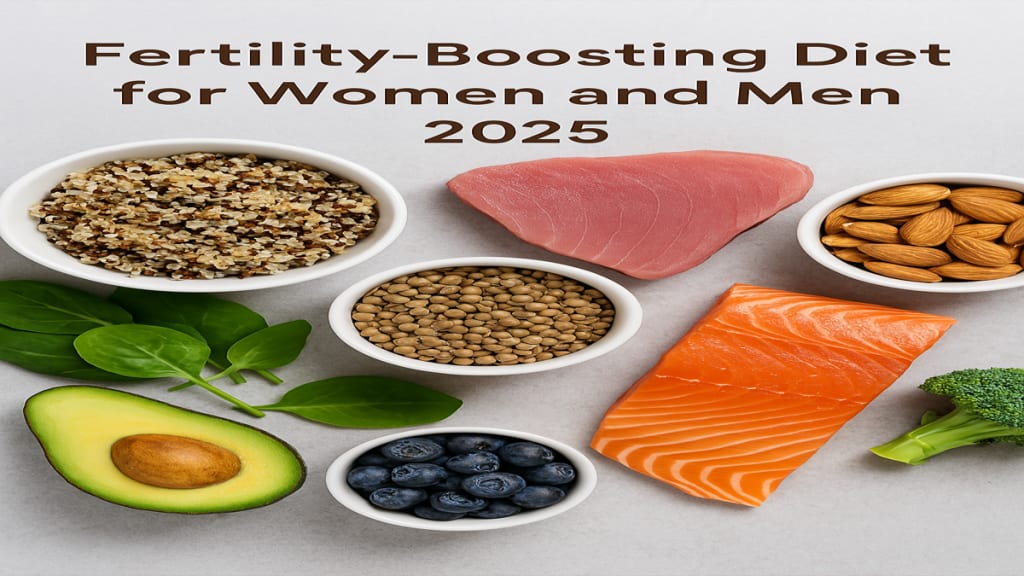
In 2025, nutrition plays a central role in supporting reproductive health for both men and women. Whether you're preparing for natural conception or undergoing assisted reproductive techniques like IVF or IUI, your diet can significantly impact egg quality, sperm health, hormone balance, and overall fertility. This article explores science-backed, nutrient-rich foods tailored for both men and women to enhance fertility naturally.
Why a Fertility Diet Matters
The connection between diet and fertility is undeniable. A well-balanced fertility-boosting diet supports hormonal health, reduces inflammation, and enhances reproductive function. It also improves outcomes in fertility treatments like IVF by optimizing egg and sperm quality.
Best Fertility Foods for Women
1. Leafy Greens (Spinach, Kale, Swiss Chard)
Loaded with folate, iron, and antioxidants, leafy greens are crucial for regulating ovulation and supporting uterine health.
2. Berries (Blueberries, Raspberries, Strawberries)
Rich in vitamin C and phytonutrients, berries help fight oxidative stress, a common cause of poor egg quality.
3. Whole Grains (Quinoa, Brown Rice, Oats)
They stabilize insulin levels, which is especially important for women with PCOS, and provide essential B-vitamins for hormonal health.
4. Fatty Fish (Salmon, Sardines, Mackerel)
Packed with omega-3 fatty acids, these fish support egg maturation and reduce inflammation in the reproductive system.
5. Nuts & Seeds (Almonds, Walnuts, Flaxseeds)
Great sources of plant-based protein and healthy fats, essential for hormone production.
6. Avocados
Full of vitamin E and monounsaturated fats, avocados help improve uterine lining and support hormonal balance.
Best Fertility Foods for Men
1. Oysters and Zinc-Rich Foods
Zinc is vital for testosterone production and sperm motility. Oysters are the richest source, but pumpkin seeds and lentils are good alternatives.
2. Tomatoes (Rich in Lycopene)
Lycopene improves sperm count and morphology. Cooked tomatoes are especially beneficial.
3. Vitamin C-Rich Fruits (Oranges, Kiwi, Guava)
These help protect sperm DNA from oxidative stress, improving overall sperm quality.
4. Brazil Nuts (Selenium Source)
Selenium boosts sperm motility and function.
5. Eggs
High in choline and vitamin D, eggs support healthy sperm development and hormone production.
Foods to Avoid When Trying to Conceive
- Trans Fats: Found in fried foods and processed snacks, these can disrupt hormone balance.
- Caffeine Overload: Limit intake to 200 mg/day to avoid impacting fertility negatively.
- Alcohol: Reduces sperm quality and interferes with ovulation.
- Excess Sugar: Contributes to insulin resistance and hormonal imbalances.
- Highly Processed Meats: Linked to decreased sperm count and reduced fertility in women.
Lifestyle Tips to Complement Your Fertility Diet
- Hydrate regularly to support cervical mucus production.
- Exercise moderately to maintain a healthy BMI.
- Get 7-8 hours of sleep to regulate reproductive hormones.
- Avoid stress with yoga, meditation, or counseling.
Sample Fertility Meal Plan
Breakfast:
Spinach omelet with avocado and whole-grain toast + green tea
Lunch:
Grilled salmon with quinoa and a side of mixed greens + olive oil dressing
Snack:
Handful of walnuts and blueberries
Dinner:
Brown rice, lentil curry, and sautéed broccoli + flaxseed smoothie
Supplements to Consider (After Consulting a Doctor)
- Folic Acid: Essential before and during early pregnancy.
- Vitamin D: Supports ovarian function and sperm quality.
- CoQ10: May improve egg and sperm mitochondrial function.
- Zinc & Selenium: For male fertility support.
FAQs
1. Can diet really improve fertility?
Yes, a fertility-boosting diet rich in whole foods, antioxidants, and essential nutrients can improve both egg and sperm quality significantly.
2. What is the best time to start a fertility diet?
Ideally, start at least three months before trying to conceive, as it takes that long for eggs and sperm to mature.
3. Should both partners follow a fertility diet?
Absolutely. Male fertility plays a role in 40-50% of infertility cases, so both partners should optimize their diet.
4. Are there specific superfoods for IVF success?
Yes. Avocados, berries, leafy greens, and omega-3-rich foods like salmon are excellent during IVF cycles.
5. Can supplements replace a fertility diet?
Supplements are helpful but should not replace a nutrient-dense diet. Always consult a fertility specialist before taking them.
Conclusion
In 2025, couples are increasingly turning to natural and supportive ways to enhance fertility—and diet is a foundational pillar. By making simple, targeted changes to your daily meals, you can create an optimal environment for conception. Whether you're just starting your journey or planning IVF, a fertility-focused diet empowers you with the best chances of success.
Content Source - https://yellowivf.com/fertility-boosting-diet-for-women-and-men-2025/
About the Creator
Yellow IVF
Best & Top IVF Center in Gurugram Sector 57
Keep reading
More stories from Yellow IVF and writers in Humans and other communities.
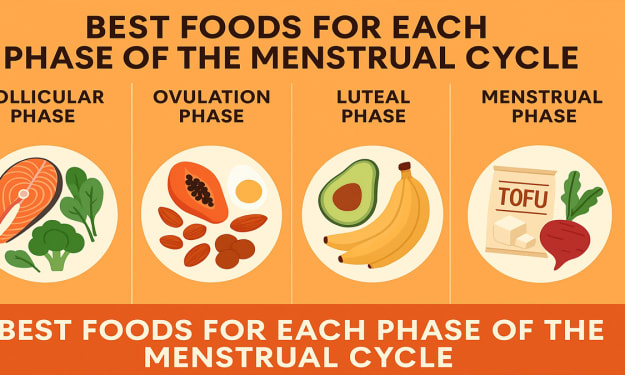
Best Foods for Each Phase of the Menstrual Cycle in 2025
Introduction In recent years, women have increasingly embraced the concept of eating in sync with their menstrual cycle. In 2025, with more awareness around hormone health and holistic wellness, this approach has become a powerful way to naturally boost energy, reduce PMS symptoms, and support reproductive health. Understanding what your body needs during each phase of the cycle can help you feel more balanced, nourished, and in control of your health.
By Yellow IVF10 months ago in Humans
Time to change your life.
Is it even possible for you to change your life? A lot of people, more than there should be, are unhappy with their lives. But what are they doing about it? Usually nothing. People talk about how shitty their lives are and want change, but are they not taking the actions to change?
By Jen Phillips4 days ago in Humans
Ai The New Gym Coach
Walking into a gym without a plan can feel like stepping into a maze. Rows of machines, endless workout advice online, and conflicting fitness trends make it hard to know where to start—or whether what you’re doing is actually helping. One of the biggest problems with traditional workout programs is that they assume everyone’s body responds the same way. In reality, your age, height, and weight dramatically influence how you should train. This is where artificial intelligence is redefining fitness.
By Anthony Bahamondeabout 13 hours ago in Humans


Comments
There are no comments for this story
Be the first to respond and start the conversation.