
Fast Food, Fast Life: How Junk Food Is Messing with Our Minds
Unraveling the Philosophical, Mental, and Modern Implications of Our Dietary Choices

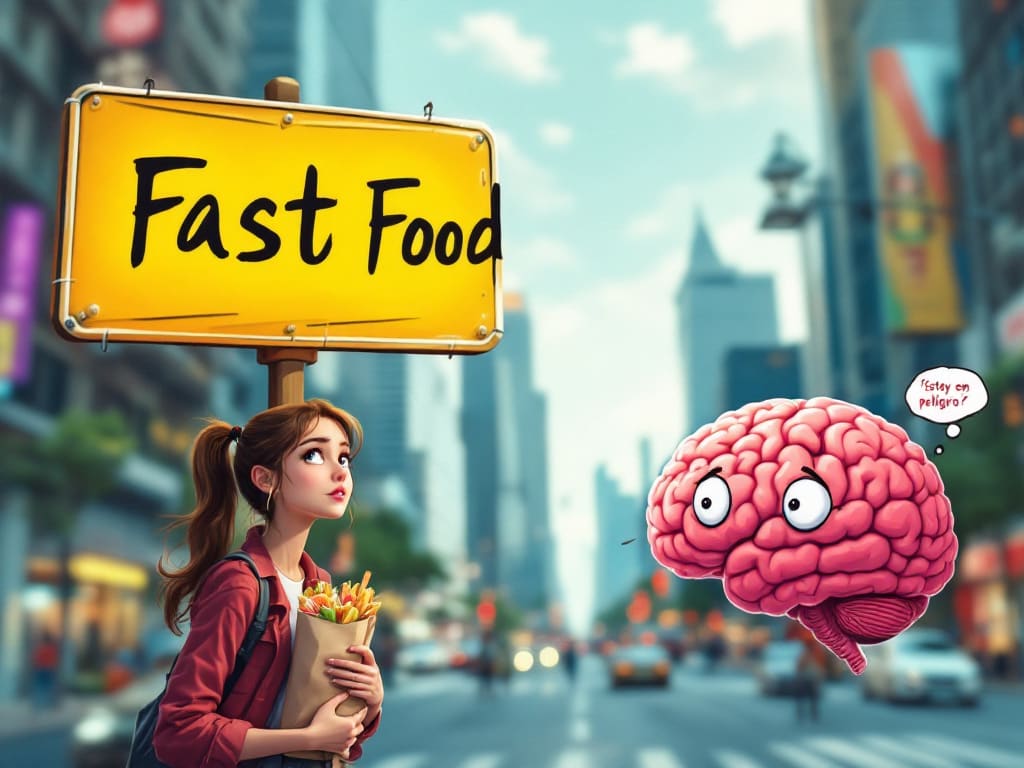
Imagine this: You're rushing through your day, juggling work, family, and a never-ending to-do list. Suddenly, it's lunchtime, and you realize you haven't eaten. You dash to the nearest fast-food joint, order a burger and fries, and wolf it down in record time. Sound familiar? This scenario is all too common in our fast-paced world, but have you ever stopped to think about how this quick fix might be affecting not just your waistline, but your mind?
In this article, we'll delve deep into the intricate relationship between junk food and mental health. We'll explore the philosophical implications of our dietary choices, examine the latest research on how junk food impacts our brains, and discuss practical steps to improve our eating habits. So, buckle up as we embark on a journey to understand how our love for convenience might be costing us more than we think.
The Philosophy of Food: What Our Choices Say About Us
Our dietary choices are more than just a means to an end; they reflect our values, our culture, and our priorities. In a world where time is money, fast food has become a staple. But what does this say about us? Are we valuing convenience over quality, speed over substance?
Philosophers have long debated the ethics of consumption. Socrates believed that a simple diet was key to a virtuous life. In modern times, thinkers like Michael Pollan argue that our industrial food system has led to a disconnect between what we eat and where it comes from. This disconnect has profound implications for our mental health.
When we consume junk food, we're not just feeding our bodies; we're feeding a system that prioritizes profit over health. We're supporting an industry that thrives on our addiction to sugar, salt, and fat. But we also have the power to change this narrative. By choosing to eat mindfully, we can reclaim our autonomy and make a statement about what we value.
Our dietary choices reflect our values and priorities, shaping not just our bodies but our minds.
The Science Behind Junk Food and Mental Health
Recent studies have shed light on the alarming impact of junk food on our mental health. Research published in the journal Public Health Nutrition found that people who consume fast food are 51% more likely to develop depression than those who don't. But why is this?
Junk food is high in refined sugars and unhealthy fats, which can lead to inflammation in the body. This inflammation can affect the brain, disrupting the production of neurotransmitters like serotonin and dopamine, which are crucial for mood regulation. Moreover, junk food often lacks essential nutrients like omega-3 fatty acids, vitamins, and minerals, which are vital for brain health.
But it's not just about what junk food contains; it's also about what it lacks. A diet rich in fruits, vegetables, whole grains, and lean proteins provides the body with the nutrients it needs to function optimally. In contrast, a diet high in processed foods can lead to nutrient deficiencies, exacerbating mental health issues.
Understanding the science behind junk food's impact on mental health is crucial for making informed dietary choices.
The Modern Dilemma: Balancing Convenience and Health
In today's fast-paced world, convenience often trumps health. We're bombarded with advertisements for quick and easy meals, and it's hard to resist the allure of instant gratification. But at what cost?
The modern food industry is designed to keep us hooked. Food scientists engineer products to be as addictive as possible, using a combination of sugar, salt, and fat that hits our brains' reward centers like a drug. This addiction keeps us coming back for more, even when we know it's not good for us.
But there are ways to break this cycle. Mindful eating, for instance, involves paying attention to what we eat, how it tastes, and how it makes us feel. It's about savoring each bite and listening to our bodies' cues for hunger and fullness. This practice can help us make healthier choices and enjoy our food more.
Balancing convenience and health requires mindfulness and a willingness to break free from the addiction to junk food.
Practical Steps to Improve Your Diet and Mental Health
Improving your diet doesn't have to be complicated. Here are some practical steps you can take to eat healthier and boost your mental health:
- Plan Ahead: Meal prepping can save you time and money, and it ensures you have healthy options on hand when you're short on time.
- Choose Whole Foods: Opt for foods that are as close to their natural state as possible. Think fruits, vegetables, whole grains, and lean proteins.
- Stay Hydrated: Drinking enough water can help curb cravings and keep your body functioning optimally.
- Eat Mindfully: Pay attention to what you're eating and how it makes you feel. This can help you make healthier choices and enjoy your food more.
- Seek Support: If you're struggling with your diet, consider seeking help from a nutritionist or a mental health professional.
Taking practical steps to improve your diet can have a profound impact on your mental health.
The Role of Education in Changing Dietary Habits
Education plays a crucial role in shaping our dietary habits. From a young age, we learn about the importance of a balanced diet, but often, this knowledge gets lost in the shuffle of daily life. Re-educating ourselves and our children about the benefits of healthy eating can make a significant difference.
Schools can implement nutrition education programs that teach students about the impact of food on their bodies and minds. Parents can lead by example, showing their children the joy of cooking and eating wholesome meals. Community initiatives, such as farmers' markets and cooking classes, can also help spread awareness and make healthy eating more accessible.
Moreover, public health campaigns can highlight the mental health benefits of a balanced diet, encouraging people to make healthier choices. By educating ourselves and others, we can create a culture that values nutrition and well-being.
Education is key to changing dietary habits and promoting mental health.
The Impact of Policy on Food Choices
Government policies have a significant impact on our food choices. Subsidies for certain crops, regulations on food labeling, and taxes on sugary drinks can all influence what we eat. Policies that prioritize public health can help shift the balance towards healthier options.
For example, some countries have implemented sugar taxes to discourage the consumption of sugary drinks. Others have mandated clearer food labeling to help consumers make informed choices. These policies can make a real difference in improving public health and reducing the burden of diet-related diseases.
Additionally, policies that support local farmers and promote sustainable agriculture can help make fresh, nutritious food more accessible and affordable. By advocating for policies that prioritize health and sustainability, we can create a food system that benefits both people and the planet.
Policy changes can support healthier food choices and improve mental health.
The Power of Community in Promoting Healthy Eating
Community plays a vital role in promoting healthy eating habits. When we come together to share meals, exchange recipes, and support each other, we create a culture of well-being. Community gardens, potlucks, and cooking clubs can all foster a sense of connection and encourage healthier eating.
Moreover, community initiatives can help make healthy food more accessible. Food co-ops, for instance, allow members to buy fresh, local produce at affordable prices. Community-supported agriculture (CSA) programs connect consumers directly with farmers, ensuring a steady supply of fresh, nutritious food.
By building strong, supportive communities, we can create an environment that values health and well-being. This sense of community can also have a positive impact on mental health, reducing feelings of isolation and stress.
Community initiatives can promote healthy eating and support mental health.
The Future of Food: Innovations and Trends
The future of food is full of exciting innovations and trends that could revolutionize the way we eat. Plant-based alternatives, for instance, offer a healthier and more sustainable option to traditional meat products. Vertical farming and hydroponics are making it possible to grow fresh produce in urban environments, reducing the need for long-distance transportation.
Moreover, advances in food technology are making it easier to track the nutritional content of our meals. Apps and wearable devices can help us monitor our intake and make healthier choices. These innovations have the potential to improve our diets and support mental health.
However, it's important to approach these trends with a critical eye. Not all innovations are created equal, and some may prioritize convenience over health. By staying informed and making conscious choices, we can harness the power of innovation to support our well-being.
The future of food holds promise for healthier eating and improved mental health.
Conclusion
In conclusion, our dietary choices have far-reaching implications for our mental health. By understanding the philosophy behind our food choices, the science of how junk food affects our brains, and the modern dilemmas we face, we can make more informed decisions. Improving our diet is not just about physical health; it's about nourishing our minds and reclaiming our autonomy.
Education, policy, community, and innovation all play crucial roles in promoting healthy eating habits. By working together, we can create a food system that values health, sustainability, and well-being. So, the next time you're tempted to grab a quick bite, take a moment to consider the broader implications. Your mind will thank you.
About the Creator
Alain SUPPINI
I’m Alain — a French critical care anesthesiologist who writes to keep memory alive. Between past and present, medicine and words, I search for what endures.
Keep reading
More stories from Alain SUPPINI and writers in Humans and other communities.
Mastering French Without Losing Your Sanity: A Realistic Guide for Beginners
Learning French can feel like solving a Rubik’s Cube blindfolded. The tricky pronunciation, the never-ending grammar rules, and the surprising exceptions make it seem impossible. But don’t worry—equipping yourself with key expressions and effective strategies can turn frustration into fluency. Let’s simplify French and make learning enjoyable.
By Alain SUPPINIExclusive • 11 months ago
She Left Me For A Rich Guy, Look How She Turned Out
I sat back and watched you this weekend. I saw the photos. I saw the smiles. I saw the man you chose over the empire we were building. And for the first time in three years, I didn’t feel a sting of jealousy. I felt a cold, hard sense of irony.
By Nanu Nnabuife6 days ago in Humans




Comments
There are no comments for this story
Be the first to respond and start the conversation.