
Exploring the Evolution of Furniture Design: From Ancient Artisans to Modern Masterpieces
Furniture design spans centuries, molded by diverse cultures and evolving tastes, influenced profoundly by art, technology, and societal shifts.
Ancient Beginnings: Craftsmanship and Symbolism
The origins of furniture design can be traced back to ancient civilizations such as Egypt and Mesopotamia. In these early societies, furniture served both functional and symbolic purposes. Egyptian artisans crafted ornate chairs and beds adorned with intricate carvings and hieroglyphs, symbols of prestige and status. These pieces were not only practical but also conveyed the wealth and power of their owners. Meanwhile, in China, furniture design emphasized harmony with nature. The use of materials like bamboo and lacquer reflected a balance and beauty intrinsic to Chinese philosophy and aesthetics. This period laid the foundational principles of furniture design, focusing on craftsmanship and symbolic meaning.
Classical Elegance: Greece and Rome
Greek and Roman civilizations introduced a shift towards elegance and comfort in furniture design. Greek klismos chairs, known for their gracefully curved legs and backrests, exemplified ergonomic design principles that were ahead of their time. These chairs combined functionality with aesthetic appeal, setting a standard for future designs. Roman furniture, on the other hand, favored opulence and durability. The use of luxurious materials such as marble and bronze signified wealth and sophistication. These classical designs laid the groundwork for Western furniture aesthetics, influencing countless generations to come.
Medieval Mastery: Gothic and Renaissance Inspirations
During the Middle Ages, furniture design took on new forms with the emergence of Gothic and Renaissance influences. Gothic furniture was characterized by its pointed arches and intricate embellishments inspired by the architecture of cathedrals. This period saw the creation of large, heavily decorated pieces that reflected the grandeur of religious buildings. The Renaissance period later brought a revival of classical motifs, blending symmetry and proportion influenced by Greco-Roman styles. Furniture became more refined during this era, showcasing a high level of craftsmanship and artistic expression. This marked a turning point where furniture was not only functional but also a medium for artistic prowess.
Baroque and Rococo: Extravagance and Ornamentation
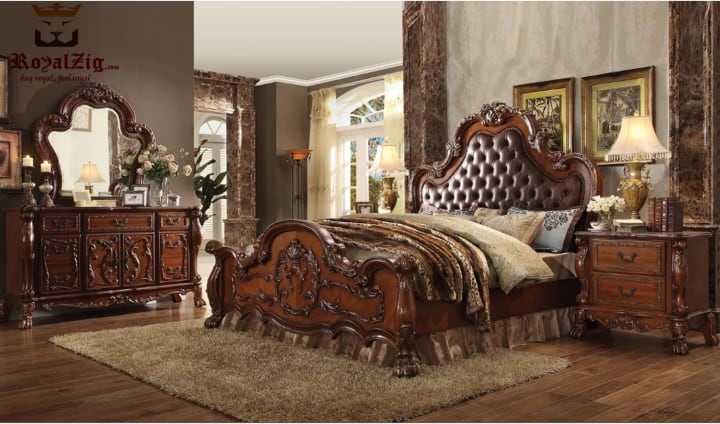
The Baroque and Rococo periods of the 17th and 18th centuries introduced a departure from simplicity. Baroque furniture was characterized by grandeur and dramatic flair, featuring elaborate details and bold, sweeping curves. This style aimed to impress and convey a sense of power and luxury. Meanwhile, Rococo designs embraced asymmetry and delicate ornamentation, catering to the tastes of the aristocracy. These pieces were lighter, more playful, and highly decorative, emphasizing intricate craftsmanship. Both styles reflected the opulent lifestyles and tastes of their respective eras.
Industrial Revolution: Innovation and Accessibility
The 19th century witnessed a revolution in furniture design with the advent of the Industrial Revolution. Technological advancements and mass production techniques made furniture more accessible to a broader population. This era saw a diversification of styles, from the ornate opulence of Victorian furniture to the simplicity and craftsmanship of the Arts and Crafts movement. The latter championed natural materials and handcrafted quality, a reaction against the mass-produced items of the time. This period marked a significant shift towards making well-designed furniture available to the general public.
Modernism: Functionality and Minimalism
The 20th century ushered in the era of Modernism, a design movement that prioritized functionality and minimalist aesthetics. Influenced by Bauhaus principles and Scandinavian design ethos, Modernist furniture focused on clean lines, simplicity, and practicality. Innovations in materials such as steel and plastic allowed for new forms and structures, pushing the boundaries of design possibilities. This period saw the creation of iconic pieces that remain influential today, highlighting the importance of design in everyday life.
Contemporary Trends: Sustainability and Innovation
Today, furniture design continues to evolve with a strong emphasis on sustainability and technological innovation. Contemporary designers blend traditional craftsmanship with cutting-edge materials and techniques, creating pieces that are both environmentally friendly and visually striking. Trends like modular and multifunctional furniture cater to the evolving lifestyles and needs of modern living spaces. This focus on adaptability and sustainability reflects a growing awareness of environmental issues and changing consumer preferences.
Embracing the Legacy of Furniture Design
From ancient artisans to present-day innovators, the evolution of furniture design stands as a testament to human creativity and cultural evolution. Each era has left its indelible mark, shaping how we perceive and interact with furniture in our daily lives. As trends evolve and technologies advance, the enduring appeal of well-crafted and thoughtfully designed furniture continues to resonate across time and cultures.
About the Creator
Keep reading
More stories from Opaa Homes and writers in Humans and other communities.
Custom vs. Mass-Produced Furniture: Making the Right Choice for Your Home
Custom furniture offers a high level of personalization, making it a prime choice for those who want their living spaces to reflect their unique tastes and needs. When you opt for custom pieces, you can tailor every detail to your preferences. This includes dimensions, materials, colors, and finishes. Such customization ensures that the furniture fits perfectly within your space, complementing your overall aesthetic vision.
By Opaa Homes2 years ago in Humans
Today, Tomorrow
I had a moment recently where I contemplated what is even genuine anymore in the digital space. Humans were bound to be predictable in our unethical use of AI, I cannot think of any popular user generated platform online that has not been exploited or oversaturated in one way or another. Money, power and dominance are the pillars of society, so it is no surprise the rapid development of AI coincides with the human condition.
By Malachai Houghabout 9 hours ago in Humans



Comments
There are no comments for this story
Be the first to respond and start the conversation.