
Exploring the Ancient Wonders of the Egypt Pyramids
A Comprehensive Look at the Purpose, Construction, and Cultural Significance of the Iconic Monuments of Giza

Introduction:
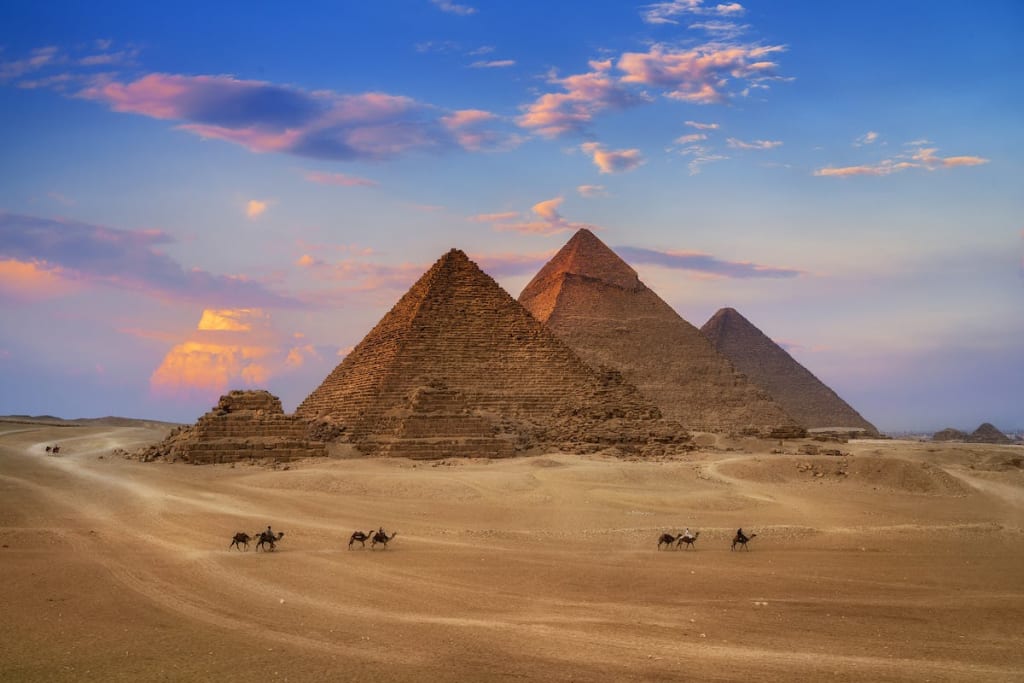
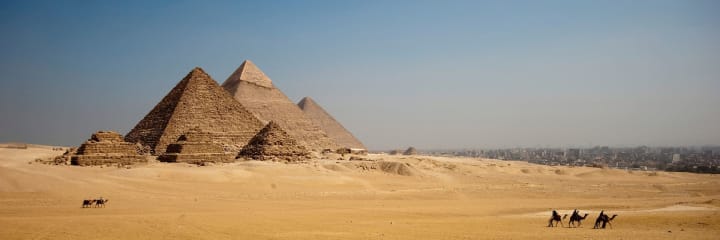
The pyramids of Egypt are some of the most iconic and well-known structures in the world. Located in the desert on the west bank of the Nile in Giza, just outside of Cairo, these ancient tombs are a testament to the ingenuity and skill of the ancient Egyptians.
The pyramids have fascinated people for thousands of years, and their size, beauty, and mysterious construction techniques have made them a popular tourist destination. Visitors from all over the world come to see these ancient wonders and learn more about the culture and history of the ancient Egyptians.
In addition to their historical and cultural significance, the pyramids are also a popular tourist destination due to their beauty and size. The pyramids are truly awe-inspiring structures, and visitors are often struck by their size and majesty. The pyramids are a must-see for anyone interested in history, culture, or architecture, and are sure to leave a lasting impression on all who visit them.
Purpose:
The pyramids of Egypt were built to serve as tombs for the Pharaohs and their queens. The ancient Egyptians believed in an afterlife, and they believed that the Pharaoh's soul would live on in the afterlife. In order to ensure the Pharaoh's safe passage into the afterlife, they believed that the body had to be preserved. To accomplish this, they built elaborate tombs filled with treasures and placed the Pharaoh's body in a sarcophagus, which was a stone coffin. The pyramid was then sealed and guarded to prevent robbery and desecration.
The purpose of the pyramids was not only to protect the Pharaoh's body and ensure his safe passage into the afterlife, but also to serve as a symbol of the Pharaoh's power and wealth. The pyramids were often filled with treasures and other valuable items, which demonstrated the Pharaoh's wealth and status. In addition, the pyramids were often built in prominent locations, such as on the banks of the Nile or in the desert, where they could be easily seen and admired by the people.
The pyramids of Egypt are some of the most iconic and well-known structures in the world, and their purpose as tombs for the Pharaohs and as a means of ensuring their safe passage into the afterlife has played a significant role in their cultural and historical significance.
The Great Pyramid of Giza:
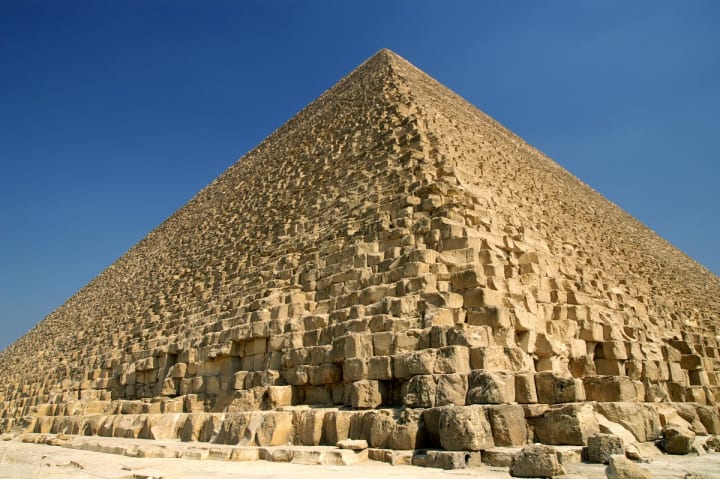
The Great Pyramid of Giza is the largest and most well-known pyramid in Egypt. It was built for Pharaoh Khufu, and is located in Giza, just outside of Cairo. The pyramid stands 147 meters (481 feet) tall, and its base covers an area of about 13 acres. It is made up of over 2 million blocks of limestone, each weighing an average of 2.5 tons.
The Great Pyramid of Giza was the tallest man-made structure in the world for over 3,800 years, and is still the largest pyramid in the world. It is an impressive feat of ancient engineering, and it is not completely understood how the ancient Egyptians were able to construct such a massive structure. It is thought that the pyramid was built using a combination of human labour and simple machines, such as ramps and levers. It is also believed that the pyramid was built over a period of many years, with each Pharaoh adding to the complex as he saw fit.
In addition to its size and construction, the Great Pyramid of Giza is also known for its precise alignment with the points of the compass. The pyramid is oriented towards true north with an error of only 2/100th of a degree. This level of precision is truly remarkable, and it is not understood how the ancient Egyptians were able to achieve it.
The Great Pyramid of Giza is a testament to the ingenuity and skill of the ancient Egyptians, and it is a popular tourist destination. Visitors can tour the inside of the pyramid and see the chambers and passages that were used to bury the Pharaoh and his treasures. The Great Pyramid of Giza is a true marvel of ancient engineering, and it is a must-see for anyone interested in history or architecture.
Chambers and Passages of the Pyramids of Giza:
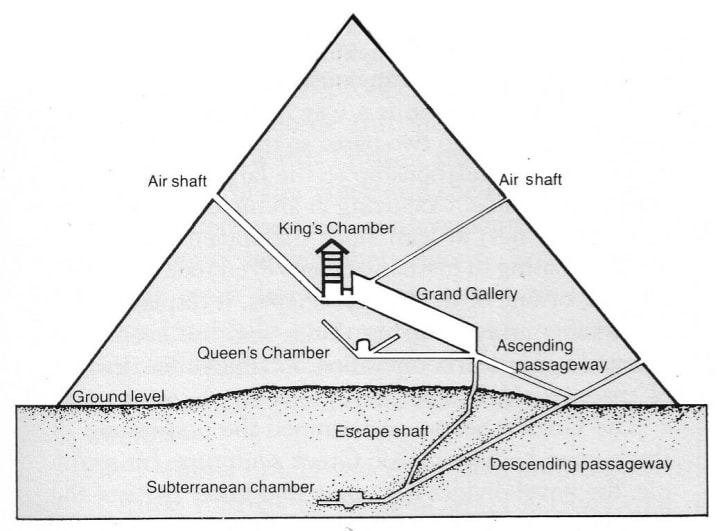
The pyramids of Giza, located in Giza, Egypt, just outside of Cairo, are known for their chambers and passages, which were used to bury the Pharaohs and their queens. The pyramids were built as tombs, and were intended to ensure the Pharaoh's safe passage into the afterlife.
The chambers and passages of the pyramids were carefully designed and constructed, and were meant to protect the Pharaoh's body and preserve it for the afterlife. The chambers were often filled with treasures and other valuable items, which were believed to be necessary for the Pharaoh's journey into the afterlife.
The Great Pyramid of Giza, which is the largest and most well-known pyramid in Giza, has three main chambers and several smaller ones. The first and largest chamber is the burial chamber, where the Pharaoh's body was placed in a sarcophagus, or stone coffin. The second chamber, known as the "queen's chamber," is thought to have been intended for the Pharaoh's wife, although it is not clear whether it was ever actually used for this purpose. The third chamber, known as the "king's chamber," is also thought to have been intended for the Pharaoh, although its exact purpose is not known.
The other pyramids in Giza, including the Pyramid of Khafre and the Pyramid of Menkaure, also have chambers and passages that were used to bury the Pharaohs and their queens. These pyramids, as well as the many smaller pyramids and tombs in the area, offer a unique and fascinating look into the culture and burial practices of the ancient Egyptians.
Other Pyramids in Giza:
In addition to the Great Pyramid of Giza, there are several other pyramids in Giza. These pyramids were built for Pharaohs Khafre and Menkaure, and are located near the Great Pyramid.
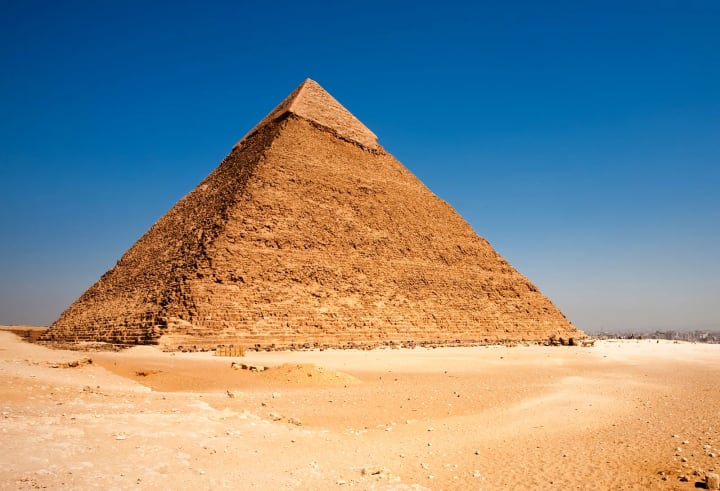
The Pyramid of Khafre is the second largest pyramid in Giza, and was built for Pharaoh Khafre, who was the son of Pharaoh Khufu, the builder of the Great Pyramid. The Pyramid of Khafre is slightly smaller than the Great Pyramid, but is still an impressive structure. It stands 143.5 meters (471 feet) tall, and its base covers an area of about 11 acres.
The Pyramid of Menkaure is the smallest of the three main pyramids in Giza, and was built for Pharaoh Menkaure. It stands 65.5 meters (215 feet) tall, and its base covers an area of about 3 acres. Despite its smaller size, the Pyramid of Menkaure is still an impressive structure, and is a testament to the skill of the ancient Egyptian builders.
In addition to the main pyramids in Giza, there are also several smaller pyramids and tombs in the area. These pyramids and tombs were built for other members of the royal family and high-ranking officials, and offer a glimpse into the lives and burial practices of the ancient Egyptians.
The pyramids of Giza are a testament to the ingenuity and skill of the ancient Egyptians, and are a must-see for anyone interested in history or architecture. They offer a unique and fascinating look into the culture and history of the ancient Egyptian civilization.
Construction Techniques:
The construction of the pyramids of Egypt was an enormous undertaking, and it is not completely understood how the ancient Egyptians were able to build such massive structures. The pyramids were built using a combination of human labour and simple machines, such as ramps and levers. It is believed that the pyramids were built over a period of many years, with each Pharaoh building his own pyramid and adding to the complex as he saw fit.
One of the most impressive aspects of the pyramids is the precision with which they were constructed. The blocks of stone that make up the pyramids fit together with such accuracy that it is difficult to insert a knife blade between them. The joints are so tight that it is difficult to see where one block ends and the next begins. This level of precision is truly remarkable, and it is not understood how the ancient Egyptians were able to achieve it.
In addition to the precision of the construction, the pyramids are also known for their durability. Despite being subjected to the harsh desert climate and the passage of time, the pyramids have managed to survive for thousands of years. This is a testament to the skill of the ancient Egyptian builders, who were able to create structures that would stand the test of time.
The construction techniques used to build the pyramids of Egypt are a mystery, and it is not completely understood how the ancient Egyptians were able to build such massive and precise structures. However, the pyramids stand as a testament to the ingenuity and skill of the ancient Egyptians, and they continue to fascinate and inspire people all over the world.
Threats to the Pyramids:
Despite the efforts to protect the pyramids of Egypt, many of them have been robbed over the years. The tombs were filled with treasures, including gold, jewels, and other valuable items, which made them a tempting target for looters. In addition, the pyramids were built in a location that was difficult to defend, which made them vulnerable to attack.
The pyramids were sealed and guarded in an effort to prevent robbery and desecration, but this was not always successful. Many pyramids have been robbed over the years, with looters making off with valuable items and causing damage to the pyramids in the process. In addition, the pyramids were often built in locations that were difficult to defend, such as in the desert or on the banks of the Nile, which made them vulnerable to attack.
Despite these challenges, the pyramids have managed to survive for thousands of years. They have withstood the harsh desert climate and the passage of time, as well as the threat of robbery and attack. The pyramids are a testament to the skill and ingenuity of the ancient Egyptians, and they continue to stand as a symbol of the ancient civilization's power and wealth.
Tourism:
The pyramids of Egypt are a popular tourist destination, and visitors from all over the world come to see these ancient wonders. The pyramids are located in Giza, just outside of Cairo, and are easily accessible by car or tour bus.
Visitors to the pyramids can tour the inside of the pyramids and see the chambers and passages that were used to bury the Pharaohs and their queens. There are also many other ancient sites to see in the area, including the Sphinx, the Temple of the Sun, and the Temple of the Moon. These sites offer a glimpse into the culture and history of the ancient Egyptians, and are sure to leave a lasting impression on all who visit them.
In addition to the historical and cultural significance of the pyramids, they are also a popular destination due to their beauty and size. The pyramids are truly awe-inspiring structures, and visitors are often struck by their size and majesty. The pyramids are a must-see for anyone interested in history, culture, or architecture, and are sure to leave a lasting impression on all who visit them.
Conclusion:
The pyramids of Egypt are a true marvel of ancient engineering, and are a testament to the ingenuity and skill of the ancient Egyptians. They are some of the most iconic and well-known structures in the world, and have fascinated people for thousands of years.
The pyramids were built as tombs for the Pharaohs and their queens, and as a means of ensuring the Pharaoh's safe passage into the afterlife. They were also a symbol of the Pharaoh's power and wealth, and were filled with treasures and other valuable items. Despite the efforts to protect the pyramids, many of them have been robbed over the years, and the pyramids have also been vulnerable to attack due to their location. Despite these challenges, the pyramids have managed to survive for thousands of years, and remain a testament to the skill and ingenuity of the ancient Egyptians.
In addition to their historical and cultural significance, the pyramids are also a popular tourist destination. Visitors can tour the inside of the pyramids and see the chambers and passages that were used to bury the Pharaohs and their queens. There are also many other ancient sites to see in the area, including the Sphinx, the Temple of the Sun, and the Temple of the Moon.
The pyramids of Egypt are a must-see for anyone interested in history, culture, or architecture, and are sure to leave a lasting impression on all who visit them. They are a testament to the ingenuity and skill of the ancient Egyptians, and are a true wonder of the world.
About the Creator
Kyrsten Sinema
Kyrsten Sinema is an important American political leader. She worked for many years in the U.S. government and became known for being different from many others in politics. This article uses easy English and clear subtitles to help you understand who she is, where she came from, what she did, and what is happening now with her.
By Farhan Sayedabout 22 hours ago in Humans


Comments
There are no comments for this story
Be the first to respond and start the conversation.