
Exploring Catastrophe as a Rapture-Like Event

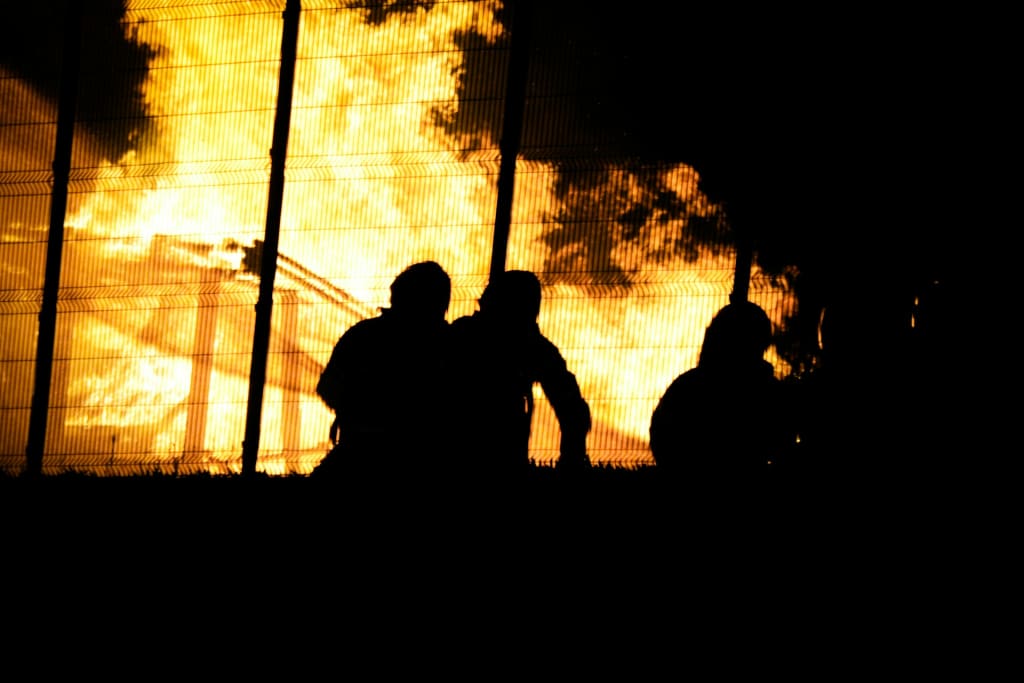
In recent years, many people have felt an increasing sense of change in the air, prompting thoughts about spiritual awakenings and catastrophic events. What if these feelings reflect a deeper reality—one that suggests a mass transition to another alternative reality, indistinguishable from the concept of the Rapture? This article examines the possibility that such a mass catastrophe could evoke sensations similar to the Rapture while raising essential questions about our existence, choices, and lessons learned in life.
The Concept of the Rapture
Traditionally, the Rapture refers to a future event in some Christian eschatology where believers are taken up into heaven, leaving the world in chaos. The imagery of sudden disappearance and transformation provides fertile ground for considering situations where a significant number of people might experience an abrupt transition.
Catastrophic Events as Catalysts
Rather than a divine act, consider the potential of a mass catastrophe—natural disasters, pandemics, or societal upheaval—as catalysts for these spiritual sensations. Such events can create a tremendous shift in collective consciousness, prompting us to reflect on our lives, beliefs, and connections with one another.
1. Collective Awakening: When faced with crisis, individuals unite in shared experiences, demonstrating humanity's interconnected nature. This collective trauma can serve as both a wake-up call and a tool for spiritual growth.
2. Alternative Realities: The idea that individuals may "transition" to alternative realities during mass catastrophes hinges on quantum theories of parallel universes. According to these theories, our choices and experiences split us into multiple realities. The challenge becomes recognizing and embracing the lessons from our current reality before possibly transitioning to another.
The Role of Ego and Surrender
A significant aspect of navigating any transformation is the role of ego—the sense of self that often clings to control, identity, and material possessions. In times of crisis, those who resist the upheaval driven by fear and ego may find themselves continuously facing similar challenges in alternate realities until they appreciate their lessons.
1. Ego Dissolution: Letting go of the ego can lead to personal freedom and discovery. Transitioning to alternative realities may incentivize individuals to confront their attachments, encouraging a sense of liberation.
2. Emotional Resilience: Cultivating emotional resilience while facing change fosters a willingness to adopt new perspectives. It encourages us to surrender the need for control and to embrace the natural flow of transition.
Reflection and Learning
Facing a time of massive change can expedite personal growth and lead to significant introspection about life lessons. People can begin reflecting on the following aspects to foster a fulfilling transition:
1. Gratitude: Appreciating experiences—both the positive and negative—cultivates a mindset ready for growth. Building this practice helps with acceptance, leading to a smoother transition into new realities.
2. Compassion: Engaging in acts of kindness and understanding towards others can strengthen personal connections. This bond reinforces the idea that we are all interconnected, enhancing the experience of unity, especially in difficult times.
3. Faith: Emphasizing the importance of faith—whether spiritual or in humanity—can provide comfort during tumultuous change. Faith can serve as an anchor, allowing individuals to navigate uncertainty with a positive mindset.
Embracing Change
Rather than fearing transitional events, embracing them as opportunities for spiritual and personal development can lead to profound insights. As we collectively face challenges, we can consciously prepare ourselves for whatever lies ahead:
1. Mindfulness Practices: Engaging in mindfulness, meditation, and self-reflection can help center one’s thoughts and emotions, making it easier to navigate through uncertainty.
2. Community Building: Strengthening connections with others builds support networks. These connections can provide emotional sustenance during difficult times, highlighting the beauty of shared human experience.
3. Creating Meaning: Instead of allowing catastrophes to dictate our experiences, consciously constructing meaning from challenges can offer a sense of purpose and direction for navigating new realities.
Conclusion
The sensations of change that many people feel are natural reactions to an evolving world. While it may evoke fears of mass catastrophe or a Rapture-like event, we should recognize the potential for personal and collective growth during these transitions. By learning to embrace our lessons, releasing the grip of ego, and cultivating compassion and faith, we prepare ourselves for whatever alternatives may lie ahead.
This exploration into socio-spiritual awareness encourages everyone to reflect on their lives and adapt to the possibilities of new realities. By prioritizing understanding over fear, we can journey toward fulfillment, no matter where our paths may lead.
About the Creator
Julie O'Hara - Author, Poet and Spiritual Warrior
Thank you for reading my work. Feel free to contact me with your thoughts or if you want to chat. [email protected]
Keep reading
More stories from Julie O'Hara - Author, Poet and Spiritual Warrior and writers in Humans and other communities.
We Are Not Being Called to Save Others...
The Bible chronicles numerous instances of individuals and groups facing dire circumstances, presenting a recurring theme: the Divine’s intervention in guiding humanity from peril to safety. This process, most clearly exemplified in the Exodus, embodies the belief that God frequently leads His people to new places for their protection, growth, and ultimate spiritual development.
By Julie O'Hara - Author, Poet and Spiritual Warrior3 months ago in Humans
The CEO of Everything
They say "jack of all trades, master of none," but they forgot to mention the part where the jack of all trades is also the camera woman, the makeup artist, and the person currently yelling at a tangled Wii microphone cable in a her own bathroom while recording herself singing and trying to make it look realistic and professional. (As professional as you can make it with nothing but a cell phone camera and a mic that doesn't work)
By Sara Wilson6 days ago in Humans
Why so Little is Known About Pakistan’s Shanzeh Ali, the New Member of Nawaz Sharif’s Family?
In mid‑January 2026, Pakistan’s political and social media landscapes were set ablaze with photographs and commentary surrounding the wedding of Junaid Safdar, son of Punjab Chief Minister Maryam Nawaz Sharif and grandson of three‑time former Prime Minister Nawaz Sharif. The bride, Shanzeh Ali — now officially part of one of Pakistan’s most influential political families — became the subject of intense interest. Yet despite the buzz, many Pakistanis are puzzled: **Why is so little known about her?**
By Salaar Jamali4 days ago in Humans
Affection and Healing for Yourself
During the night of the last quarter moon, I gathered my ritual supplies. I carefully handled the chunk of black tourmaline that would protect me from your overall negative and narcissistic energy. I carefully walked the house with my stick of selenite in hand, asking the universe to cleanse our working space.
By Alisha Wilkins ✒️🦋🖋️4 days ago in Fiction



Comments
There are no comments for this story
Be the first to respond and start the conversation.