
Experimental cancer drugs found to help some patients avoid surgery.
Imagine being told you have cancer,—but instead of surgery, a pill or infusion could wipe out the tumor.
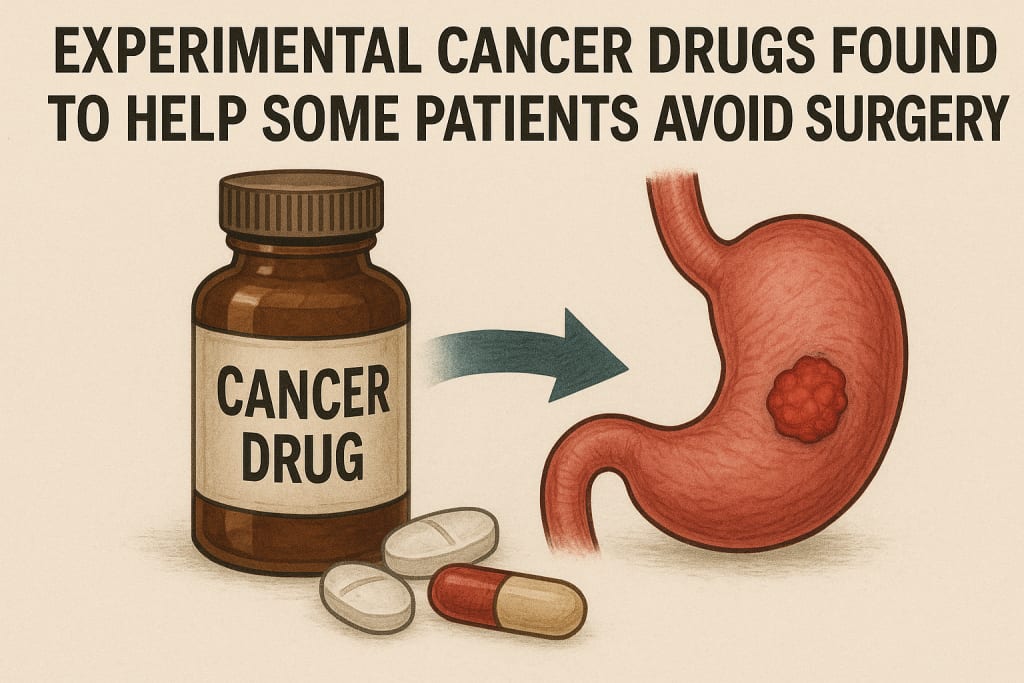
Imagine being told you have cancer,—but instead of surgery, a pill or infusion could wipe out the tumor. Sounds like science fiction, right? Not anymore. Thanks to a new wave of experimental cancer drugs, some patients are skipping the operating table entirely. It's a massive shift in how we think about treatment, and it's giving people hope—and real results.
Understanding Experimental Cancer Drugs
What Are Experimental Cancer Drugs?
These are medications still in the testing phase but showing major promise. They're usually part of clinical trials and designed to work differently than old-school chemotherapy. Instead of nuking every fast-growing cell in your body, many of these drugs are targeted, going straight after cancer while sparing healthy tissue.
How They Differ from Standard Chemotherapy
Chemo is like carpet bombing—brutal but sometimes effective. Experimental drugs, in contrast, are more like snipers. They’re often easier on the body and more focused on specific cancer mutations or immune responses.
The Role of Clinical Trials
Clinical trials are the testing ground where these drugs prove their worth. Patients volunteer (often as a last resort), and doctors measure how well these drugs perform against tough cancers.
The Traditional Role of Surgery in Cancer
Why Surgery Is Often the First-Line Treatment
For decades, the gold standard for treating solid tumors has been to cut them out. It’s direct and often effective—if the cancer hasn't spread.
Limitations and Risks of Surgery
Recovery Time
Surgery comes with long recovery periods, pain, and possible infections. It’s no walk in the park.
Long-Term Complications
Some surgeries can lead to permanent physical changes, from disfigurement to loss of organ function. The quality of life is greatly impacted by these outcomes. Game-Changing Breakthroughs
Notable Success Stories in Recent Trials
In one recent study, rectal cancer patients were treated with an experimental immune checkpoint inhibitor. Shockingly, 100% saw complete remission—and none needed surgery. That’s unheard of.
How Drugs Shrink Tumors Pre-Surgery
Doctors are now using drugs to shrink tumors to the point where surgery isn’t needed—or becomes much less invasive.
Case Studies: From Operating Room to Observation Room
One woman with breast cancer joined a trial for a HER2-targeted drug. Months later, the tumor vanished. Surgery? Skipped.
How the Drugs Work
Targeted Therapy
These drugs attack specific molecules on cancer cells, like a lock and key. Think of it as knowing exactly which wire to cut on a bomb.
Immunotherapy
Instead of killing cancer directly, these drugs supercharge your immune system to do the dirty work. It's like giving your body the weapons it needs to fight back.
Personalized Medicine Approach
Using genetic info from your tumor, doctors match you to the drug that’ll hit it hardest. It’s like Netflix recommendations—but for survival.
Patients Who Could Benefit
Early-Stage Cancer Patients
Catching cancer early + the right drug = no need for surgery. That’s the dream.
High-Risk Surgical Candidates
Elderly patients or those with other health issues often can’t tolerate major surgery. For them, these drugs can be a lifeline.
Pediatric and Elderly Patients
Children and seniors benefit most from avoiding harsh procedures. Less trauma, better recovery.
Real-World Evidence and Clinical Results
Statistics from Ongoing Studies
Some experimental drug trials are showing remission rates of 60–100% in select groups—especially in melanoma, lung, and colorectal cancers.
Survival Rates and Quality of Life Improvements
It’s not just about living longer—it’s about living better. Fewer side effects mean people feel like themselves again.
Experts Weigh In
Oncologist Perspectives
A lot of oncologists have cautious optimism. They say we’re on the brink of a paradigm shift, but more long-term data is needed.
Patient Testimonials
One survivor said: “The drug saved my life and my dignity. I got to keep my colon, and my cancer is gone.”
Challenges Still Ahead
Drug Resistance
Some cancers evolve. A drug that works today might not work tomorrow. This arms race continues.
Accessibility and Cost
Many of these treatments are eye-wateringly expensive. Until insurance catches up, access remains an issue.
Insurance and Approval Hurdles
Because these drugs are experimental, insurance companies often balk. Navigating the system can be a nightmare.
The Future of Cancer Treatment
Precision Diagnostics and AI integration AI is helping match patients to the perfect trial or drug faster than ever. Precision medicine is becoming the new normal.
Will Surgery Ever Become Obsolete?
Maybe not 100%, but we’re heading that way—especially for early-stage and easily targetable cancers.
How to Access Experimental Cancer Drugs
Enrolling in Clinical Trials
Check out clinicaltrials.gov or talk to your doctor. There are trials all over the world. Talking to Your Oncologist About Options
Don’t be afraid to ask: “Is there an experimental treatment I could try?” The options might come as a surprise to you. How This Affects Patients Hope, Less Trauma, More Options
This new frontier means less pain, more choices, and a real shot at normal life after diagnosis.
Empowerment in Care Choices
You’re not just a patient—you’re part of the decision-making team now.
Ethical Issues to Consider Informed Consent and Transparency
Patients need to fully understand what they’re signing up for—risks, unknowns, and all.
Balancing Hope with Realism
These drugs are promising, but they’re not magic bullets. Staying grounded is key.
Conclusion
Experimental cancer drugs are rewriting the playbook. What used to be a straight path to surgery is now a crossroads filled with options—many less invasive and just as effective. While challenges remain, the future of cancer care is looking a whole lot brighter, smarter, and more compassionate. For some patients, the scalpel is being replaced by science. And that’s a beautiful thing.
FAQs
1. Are experimental cancer drugs safe?
They’re tested rigorously in clinical trials, but because they’re still in development, there are some unknown risks. That said, they’ve helped many patients with minimal side effects.
2. Can I ask my doctor for these drugs?
Absolutely. Bring it up at your next appointment. Your doctor can help you find eligible trials or compassionate use programs.
3. What cancers respond best to these treatments?
So far, melanoma, breast, lung, and rectal cancers have shown strong responses in trials.
4. Do these drugs completely replace surgery?
Not yet. They can reduce or eliminate the need in some cases, but surgery is still crucial for others.
5. How long before these drugs become mainstream?
Some are already FDA-approved for limited use. Widespread adoption may take a few more years, depending on trial results and regulatory approval.
About the Creator
Keep reading
More stories from Najmus Shahadat and writers in Humans and other communities.
A New Study Raises Alarms About Plastics and Heart Disease. Here’s What to Know.
Plastic is everywhere—our water bottles, food packaging, makeup, even the air. But now, it’s not just a matter of environmental concern; it’s become a medical one. A new groundbreaking study has shaken the health community by finding a link between microplastics in the bloodstream and heart disease. That’s right, those tiny invisible plastic particles might be messing with your ticker.
By Najmus Shahadat9 months ago in Journal
Time to change your life.
Is it even possible for you to change your life? A lot of people, more than there should be, are unhappy with their lives. But what are they doing about it? Usually nothing. People talk about how shitty their lives are and want change, but are they not taking the actions to change?
By Jen Phillipsabout 8 hours ago in Humans
The Florida Car Insurance Discounts Some Drivers Never Ask For
Florida drivers know the feeling: you open your renewal notice, see the new premium, and wonder what changed. Maybe nothing changed at all—no new car, no tickets, no accidents—and yet the price still climbed. That’s when most people start searching for “car insurance discounts Florida” hoping there’s a magic coupon they missed.
By American US Insurancea day ago in Humans
Trouble at the Tea Leafing Café
The rain had started right around the time that Annie was buttering her second thick slice of homemade toast for breakfast, and hadn’t paused since. Not that anyone could tell. The windows of the café were fogged over, and with every seat filled with happy customers munching on fresh baked pastries or steaming bowls of the delicious soup of the day, it was hardly surprising. Annie looked around the room, finally taking a moment to breathe after the lunch time rush. Her old life already felt like a bad memory, a part of her history, always, but just that. History.
By Hannah Moorea day ago in Fiction




Comments
There are no comments for this story
Be the first to respond and start the conversation.