
A New Study Raises Alarms About Plastics and Heart Disease. Here’s What to Know.
Plastic is everywhere—our water bottles, food packaging, makeup, and even the air. But now, it’s not just a matter of environmental concern
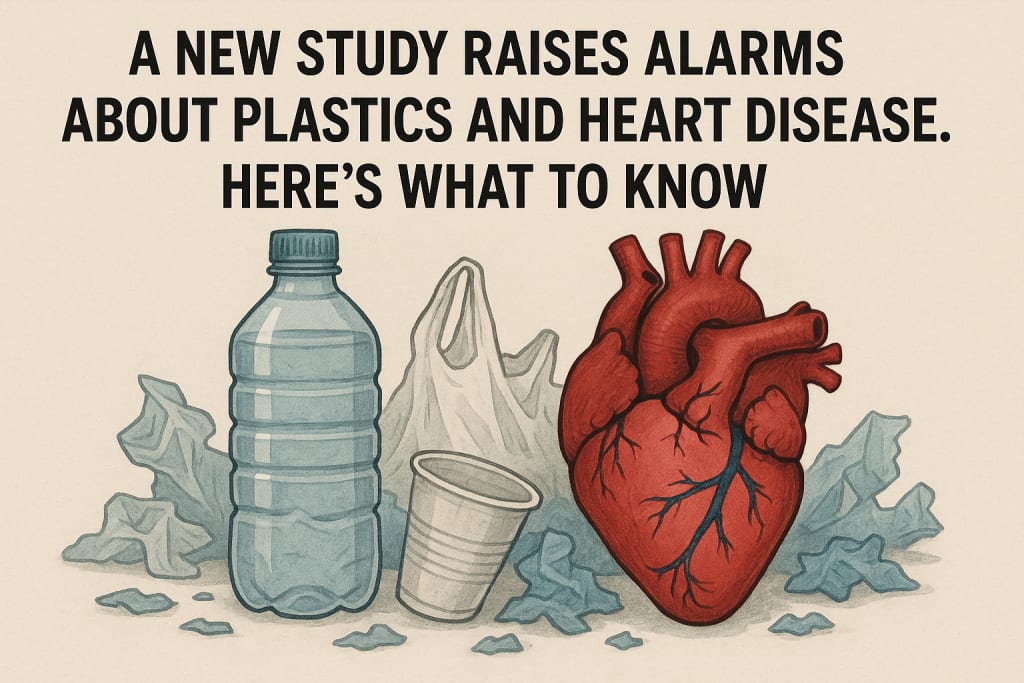
Plastic is everywhere—our water bottles, food packaging, makeup, even the air. But now, it’s not just a matter of environmental concern; it’s become a medical one. A new groundbreaking study has shaken the health community by finding a link between microplastics in the bloodstream and heart disease. That’s right, those tiny invisible plastic particles might be messing with your ticker.
The Growing Concern Over Plastics in Our Lives
We’ve long known plastics pollute our oceans and kill marine life, but humans? That hits closer to home. Plastics don’t break down easily, and their lingering presence is now raising red flags about what they’re doing inside our bodies—especially our hearts.
Overview of the Study
Who was in Charge of the Study? Researchers from Italy’s University of Campania collaborated with cardiovascular specialists to examine the presence of microplastics in arterial plaque collected from patients undergoing heart surgery. The findings were published in a top-tier peer-reviewed medical journal.
Key Findings at a Glance
Microplastics were found in 60% of the artery samples.
Patients with plastic particles in their arteries had double the risk of cardiovascular complications.
The plastics most commonly found were polyethylene (used in bags and bottles) and PVC (used in plumbing and packaging).
Data Sources and Methodology Researchers analyzed artery plaque from over 250 individuals undergoing endarterectomy (removal of artery blockages). Sophisticated spectroscopy techniques identified and quantified the plastic particles present in the samples.
What Are Microplastics?
Definition and Origins
Plastic fragments less than 5 millimeters in size are known as microplastics. Some are intentionally small (like microbeads in face scrubs), while others come from the breakdown of larger plastic products.
Common Sources in Everyday Life
- Plastic containers
- Packaging
- Synthetic clothing
- Personal care products
How Microplastics Enter the Body
We consume them through food and water, inhale them from the air, and even absorb them through our skin. Yikes, right?
The Link Between Microplastics and Heart Disease
What the Research Reveals
This new study is the first to show that microplastics can lodge themselves in human arteries. Once embedded, they may trigger inflammation and blockages, similar to how cholesterol does.
Impact on Arteries and Blood Flow
Microplastics can stiffen arteries, reduce flexibility, and hinder blood flow. Hypertension, heart attacks, and strokes are all more likely as a result of this. Long-Term Health Risks
Chronic cardiovascular conditions, systemic inflammation, and elevated oxidative stress may result from prolonged exposure. Other Health Issues Tied to Microplastics
Respiratory Problems
Inhaled microplastics can reach deep into the lungs, causing respiratory distress and even chronic lung disease.
Hormonal Disruptions
Chemicals like BPA, which disrupt the hormone balance, are found in some plastics. Immune System Concerns
Plastic particles can confuse the immune system, leading to overreaction, fatigue, and inflammation.
How Do Microplastics Get into the Bloodstream?
Inhalation and Ingestion
We breathe in airborne particles, especially in urban environments, and swallow them unknowingly through food and drinks.
Through Food and Beverages
Seafood, salt, beer, honey, and even fruits and vegetables can contain microplastics.
Packaging and Plastic Containers
Heat, like microwaving plastic or leaving water bottles in the sun, can release more particles into your food.
Hidden Sources of Plastic Exposure
Bottled Water and Takeout Containers
Studies show bottled water can contain nearly twice as many microplastics as tap water. Takeout containers release particles when hot food is placed inside.
Personal Care Products
Facial scrubs, toothpaste, and exfoliating products may contain plastic microbeads.
Household Dust and Textiles
Synthetic fabrics shed microplastics, which end up in the dust you inhale at home.
The Silent Danger—Plastic’s Inflammatory Response
How the Body Reacts to Plastic Particles
The body goes into high alert and initiates an immune response when foreign plastic particles are detected. Inflammation and Cardiovascular Stress
This ongoing inflammation can damage arterial walls and cause hardening or narrowing of arteries, leading to heart problems.
What This Means for Public Health
Policy Implications
This study adds urgency to implementing stricter regulations on plastic manufacturing and disposal.
Urgency of Regulatory Changes
Bans on single-use plastics and improved filtration systems are no longer just eco-friendly moves—they’re health necessities.
Role of Healthcare Providers
Doctors may need to start asking about environmental exposure during checkups. It’s that serious.
What Can You Do About It?
Practical Steps to Reduce Exposure
- Avoid microwaving food in plastic
- Switch to stainless steel or glass containers
- Use water filters certified to remove microplastics
Switching to Alternatives
Use bar soaps, wooden toothbrushes, and metal straws instead of their plastic counterparts.
Advocacy and Spreading Awareness
Talk about it. Post about this information online, share it with your friends, and advocate for change in your community. The Need for More Research
Gaps in Current Knowledge
We still don’t know the exact threshold for plastic exposure or how long-term exposure affects children and elderly populations.
solicits international collaboration in science Experts call for cross-border cooperation to understand this threat fully and create global solutions.
Global Reactions and Expert Opinions
What Cardiologists Are Saying
Heart specialists now warn patients to be mindful of plastic exposure as part of a holistic heart health strategy.
WHO and Environmental Agencies’ Responses
The World Health Organization has called for more research, while agencies in the EU are already reviewing new safety limits.
Plastic Pollution—A Bigger Picture
Impact on the Environment and Wildlife
Plastics harm marine life, and now we know they harm us too. It’s a loop—polluted ecosystems mean polluted bodies.
How It Comes Back to Human Health
Every piece of plastic discarded has the potential to make its way into our food chain—and eventually, our bodies.
The Future of Plastics in Our Lives
Innovations in Bioplastics
Plant-based and biodegradable plastics are gaining traction as safer alternatives.
How the industry is reacting Companies are shifting toward eco-friendly packaging and plastic alternatives to meet growing consumer demand.
The Role of Consumers in Driving Change
Your choices matter. Every reusable bag, bottle, or fork helps push the needle toward a healthier future.
Conclusion
The new study sounds a clear alarm: microplastics aren’t just an environmental issue—they’re a heart health issue too. As this research gains traction, it's a wake-up call for everyone to rethink our relationship with plastic. From the food we eat to the air we breathe, plastic is invading our bodies in ways we never imagined. It’s time to take action—not tomorrow, but today.
FAQs
1. What’s the most common way we ingest microplastics?
Primarily through food and beverages, especially seafood and bottled water.
2. Are all plastics equally harmful?
No. BPA and phthalates are two examples of additives in plastics that are more harmful than others. 3. Can filters help remove microplastics from water?
Yes, high-quality filters (like activated carbon or reverse osmosis systems) can reduce microplastic content.
4. How can I know if I’ve been exposed?
There’s no standard test yet, but symptoms like chronic inflammation, allergies, or fatigue could be indirect signs.
5. Is it possible to detox from microplastics?
Not entirely, but reducing exposure and supporting your liver and kidney functions through hydration and a healthy diet can help your body process contaminants.
About the Creator
Keep reading
More stories from Najmus Shahadat and writers in Journal and other communities.
Is White Meat Really Healthy? Study Reveals Potential Lifespan Risk
Shocking New Findings on White Meat Consumption The adage, "If you want to eat healthy, choose chicken over red meat," has been around for a long time. However, what if everything we thought was true about white meat being the "cleaner" option? A new study is shaking up the health and nutrition world by suggesting that eating chicken and other white meats might actually shorten your lifespan.
By Najmus Shahadat9 months ago in Lifehack
The Difference Between Bright Light and Gentle Light
For most of my life, I thought good lighting meant bright lighting. If a room felt dim, it felt unproductive. If a space was brightly lit, I assumed it was designed for focus. Brightness became synonymous with clarity, efficiency, and modern design.
By illumipure6 days ago in Journal



Comments
There are no comments for this story
Be the first to respond and start the conversation.