
Ethical Considerations of Deepfakes and AI-Generated Content
Ethical Considerations of Deepfakes and AI-Generated Content

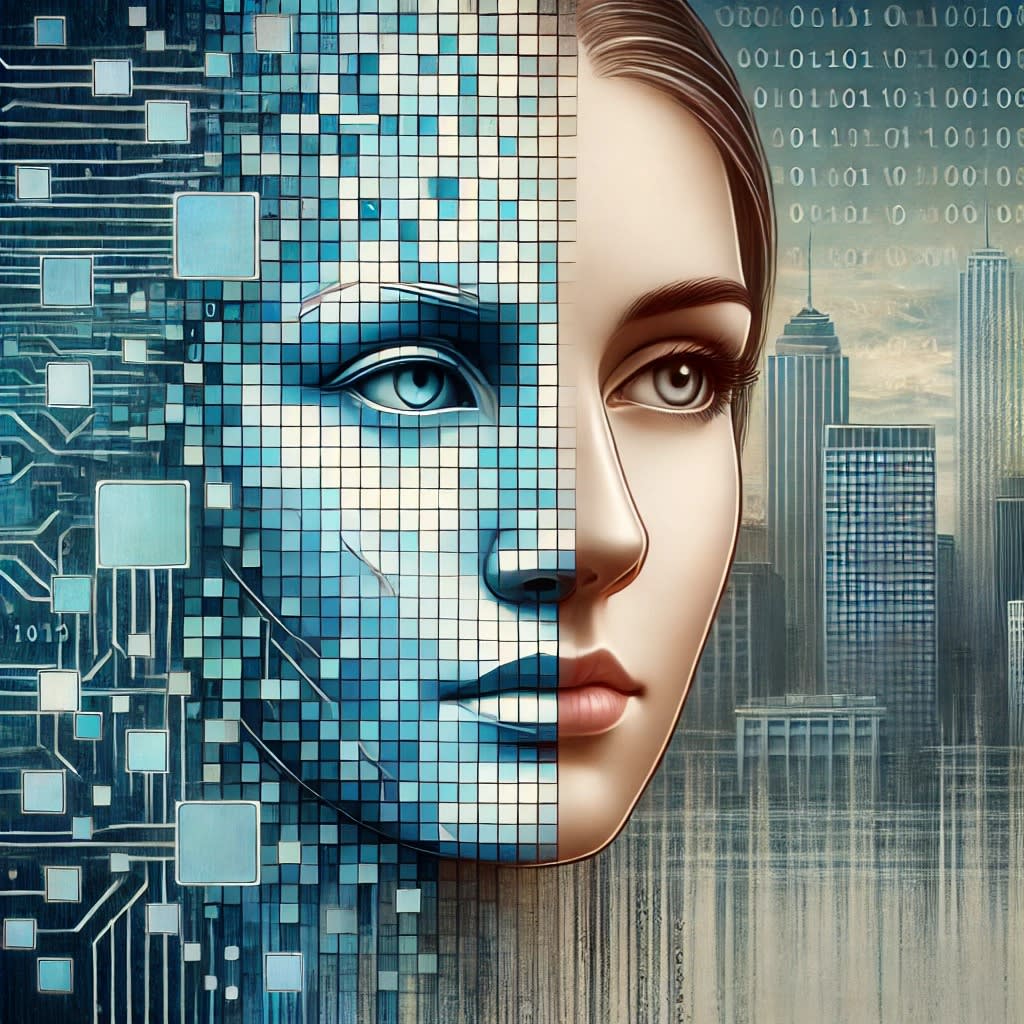
In recent years, the rise of AI technology has brought tremendous advancements, transforming industries and redefining creativity. Among these advancements, deepfakes and AI-generated content stand out as both revolutionary and controversial. While these technologies open doors to exciting possibilities, they also raise serious ethical concerns. Let’s explore the multifaceted ethical considerations surrounding deepfakes and AI-generated content.
What Are Deepfakes and AI-Generated Content?
Deepfakes are media videos, images, or audio created or altered using artificial intelligence, often to mimic someone’s appearance or voice with stunning accuracy. On the other hand, AI-generated content includes any text, image, music, or video produced by AI tools without human intervention.
These technologies leverage machine learning models, particularly generative adversarial networks (GANs), to create highly realistic outputs. From entertainment to education, their potential applications are vast, but so are the ethical dilemmas they bring.
The Potential Benefits of AI-Generated Content
Before diving into ethical concerns, it’s important to recognize the positive impact of this technology:
Creativity and Innovation:
AI allows creators to push boundaries, producing unique artwork, music, or videos. It democratizes content creation, enabling anyone with basic tools to create professional-grade outputs.
Education and Training:
Deepfake technology can recreate historical figures for educational videos, making learning more engaging and interactive.
Entertainment and Media:
Filmmakers use AI to de-age actors, recreate scenes, or even bring back performances from late artists.
Cost and Time Efficiency:
For businesses, AI-generated content reduces costs and speeds up production in marketing, design, and publishing.
Ethical Concerns
While the benefits are impressive, deepfakes and AI-generated content come with significant ethical challenges:
1. Misinformation and Fake News
Deepfakes blur the line between reality and fiction. They can be weaponized to spread misinformation, manipulate public opinion, or incite social unrest. For example, deepfake videos of political leaders making false statements can have catastrophic consequences.
2. Privacy Violations
Creating a deepfake of someone without their consent is a gross invasion of privacy. Individuals, especially public figures, are at risk of having their likeness used in inappropriate or harmful ways, such as in non-consensual pornography.
3. Loss of Authenticity
AI-generated content raises questions about authenticity. As AI produces more creative works, distinguishing between human-made and machine-made content becomes harder. This can diminish trust in media and creative industries.
4. Intellectual Property Issues
Who owns AI-generated content? Is it the programmer, the AI tool provider, or the person who inputs the idea? This ambiguity creates legal and ethical complications in copyright and intellectual property law.
5. Job Displacement
The automation of creative tasks could potentially replace jobs in industries like graphic design, writing, and filmmaking. Balancing technological advancement with job security remains a pressing concern.
Addressing the Ethical Challenges
To mitigate these concerns, stakeholders must collaborate on ethical guidelines and solutions:
Legislation and Regulation:
Governments must establish laws to regulate the misuse of deepfakes and ensure accountability for creators of harmful content.
Ethical AI Development:
Developers should prioritize transparency and incorporate ethical considerations into AI systems. For instance, watermarking AI-generated content can help users identify it as machine-made.
Public Awareness and Education:
Teaching people how to identify deepfakes and understand their implications can reduce the risk of falling victim to misinformation.
Consent and Respect:
Using deepfake technology responsibly means obtaining explicit consent before creating or sharing content featuring someone’s likeness.
Industry Standards:
Creative industries can adopt ethical standards for AI-generated content, ensuring fairness, accountability, and respect for intellectual property.
Striking a Balance
Deepfakes and AI-generated content are powerful tools that can either enrich or harm society. Striking a balance between innovation and ethics is critical. While these technologies can fuel creativity and efficiency, their misuse poses real risks to privacy, authenticity, and societal trust.
As we navigate this new digital frontier, the responsibility lies with developers, governments, and individuals to ensure that AI serves humanity positively, not as a tool for deception or harm. Only then can we truly harness its potential while safeguarding ethical boundaries.
Final Thoughts
The ethical considerations of deepfakes and AI-generated content are complex but unavoidable. By addressing these challenges head-on, we can create a future where technology is not only innovative but also ethical. With the right balance, AI can be a force for good, driving progress while respecting humanity’s values.
About the Creator
Ayesha Rasheed Rajpoot
Video Editor & Content Creator || Expert in Web Content & Blog Posts || SEO Specialist || Social Media & YouTube Management || Handling Social Media Profile & Pages
Keep reading
More stories from Ayesha Rasheed Rajpoot and writers in Humans and other communities.
AI-Powered Music Composition: A Harmonious Future
Music is one of humanity’s oldest and most cherished forms of expression, transcending cultures, languages, and generations. Today, artificial intelligence (AI) is revolutionizing how music is composed, performed, and experienced, blending technology with creativity in unprecedented ways. AI-powered music composition is not just a futuristic concept; it’s here, shaping the industry and expanding the boundaries of musical creativity.
By Ayesha Rasheed Rajpootabout a year ago in Humans
Autonomy Is The Real Privilege
Good morning, freedom-seekers! Today we’re gonna be looking at autonomy. A strange word, I know; one many would probably look at blankly and run away from on sight. We’re gonna figure out what it actually means, consider how it’s achieved, and decipher just how deeply most of us are tangled up in dependence without realising it.
By That ‘Freedom’ Guyabout 22 hours ago in Humans
Multinational Crisis Part 4: Who Cares?
“Frankly, my dear, I don’t give a damn!” Facebook. Silent. TikTok. Silent Instagram, Threads, Lemon8, and every other social media, are not concerned with what is happening to you, women and men, on their platforms. They care only, for the mighty dollar and statistics.
By Alexandra Granta day ago in Humans
The Devil's Cut
“Comrade, finally you’re awake.” The voice was smooth, sensual. A flickering incandescent bar was all that lit the white, sterile room. All Vladimir remembered was everything going black. He tried to move his arms and found them strapped to the gurney.
By Matthew J. Fromm7 days ago in Fiction



Comments
There are no comments for this story
Be the first to respond and start the conversation.