
Embracing the Balance: Why Losing Our Demons Might Mean Losing Our Angels Too

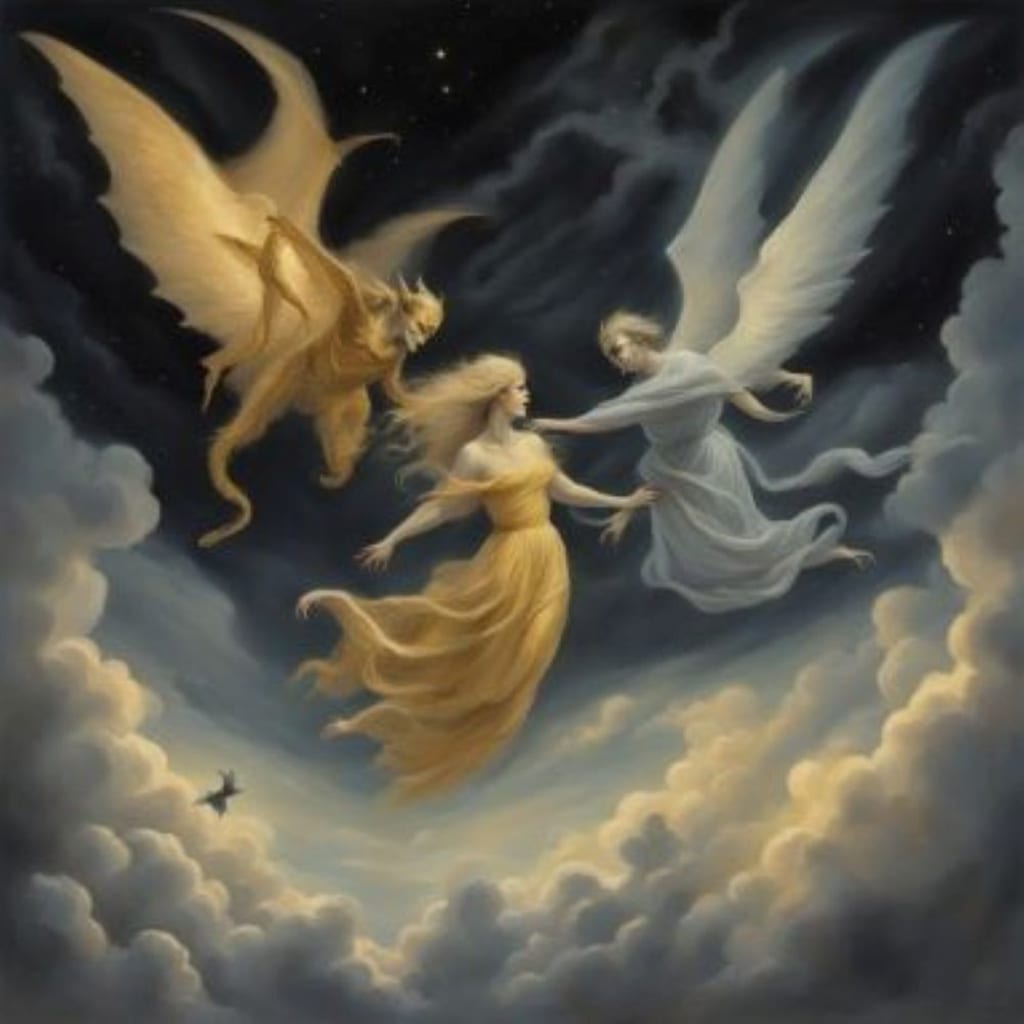
Life is often characterized by a delicate dance between light and dark, joy and sorrow. The saying "If I lost my demons, I'd lose my angels too" speaks to the intricate relationship between our struggles and our strengths. This article explores the idea that our challenges (the "demons") and our blessings (the "angels") are intertwined. We will examine how understanding this relationship can lead to personal growth and resilience.
Understanding Our Demons
Our "demons" are the personal struggles, fears, and negative traits that we grapple with daily. They can take many forms: anxiety, anger, past traumas, self-doubt, and addiction. According to a study by the National Institute of Mental Health (2021), nearly 20% of adults in the U.S. experience mental illness each year, highlighting just how common these "demons" can be.
While it may seem desirable to eradicate these struggles, doing so can strip away the unique experiences and lessons they offer. Demons push us to confront difficult truths, teach resilience, and enhance our sense of empathy. As author Anne Lamott poignantly expresses, “We are all made of stardust and demons” (Lamott, 2018). The juxtaposition of our pain and our potential shapes who we are.
Recognizing Our Angels
On the flip side, our "angels" represent the positive aspects of our existence: love, joy, support, and the moments of grace that uplift us. These are the experiences and relationships that add meaning to our lives. According to research published in the Journal of Happiness Studies (2020), people who focus on gratitude and positivity are more likely to experience higher levels of overall happiness and fulfillment.
However, it is essential to recognize that our connections with our angels often flourish in response to our demons. The pain we endure can cultivate compassion, leading us to cherish the moments of joy and the relationships that provide solace. Psychologist Brené Brown emphasizes this relationship when she states, “Vulnerability is the birthplace of innovation, creativity, and change” (Brown, 2012). Our struggles often lead us to openness and connections that pave the way for new growth.
The Interconnectedness
The statement "If I lost my demons, I’d lose my angels too" illustrates the interconnected nature of our experiences. Losing our struggles may mean losing the capacity for genuine joy and appreciation. The dichotomy of life suggests that our difficult moments heighten our awareness of the good.
1. Growth Through Struggle
Struggles often prompt personal development. For example, someone may become more resilient after overcoming the challenges of a mental health issue. This resilience allows them to appreciate life's joys more deeply. Psychologically, the process of overcoming adversity is known as post-traumatic growth (Tedeschi & Calhoun, 2004). It illustrates how trauma can lead to personal strengths and enhanced connections with others.
2. Empathy and Understanding
Experiencing difficulties enables us to empathize with others facing similar challenges. Our demons can foster understanding and compassion, enhancing our relationships (Germer, 2009). When we share our struggles, we can connect on a deeper level, allowing for a richer, more authentic relationship with those we care for.
3. The Brightness of Light
As much as we often seek to eliminate our demons, it is the contrast of dark and light that allows us to appreciate moments of happiness. When life has been tough, even small moments of joy can feel magnified. This notion is aptly summarized in Maya Angelou's words: “You can't truly know where you are going until you know where you have been” (Angelou, 2011). Our past struggles inform our appreciation of joy.
Cultivating a Balanced Perspective
Rather than striving to eradicate our demons, we can aim to cultivate a balanced perspective. Here are a few strategies to achieve this:
1. Acceptance and Self-Compassion
Learning to accept our struggles can be pivotal. Mindfulness practices encourage us to acknowledge our demons without judgment. As self-compassion researcher Kristin Neff suggests, being kind to ourselves in moments of suffering can foster resilience and emotional strength (Neff, 2011).
2. Reflect and Journal
Engaging in reflective practices, such as journaling, helps us articulate our experiences. Writing down our thoughts and feelings can clarify how our demons and angels interact, enabling personal insights and growth.
3. Seek Professional Support
In some cases, professional support from a mental health provider can help navigate the relationship between our demons and angels. Therapy can support individuals in understanding their struggles while focusing on personal strengths and values.
Conclusion
The complex relationship between our demons and angels is an essential part of the human experience. Rather than wishing to lose our demons, we can embrace their role in shaping our appreciation for the angels in our lives. Struggles foster resilience, empathy, and ultimately lead to a more enriched life.
As we learn to honor both our challenges and our joys, we create a holistic perspective that nurtures growth, encourages connections, and cultivates gratitude. Remember, embracing our full experience makes us uniquely human and profoundly alive.
References
1. Anne Lamott. (2018). Almost Everything: Notes on Hope.
2. Brené Brown. (2012). Daring Greatly: How the Courage to Be Vulnerable Transforms the Way We Live, Love, Parent, and Lead.
3. Germer, C. K. (2009). The Mindful Path to Self-Compassion: Freeing Yourself from Destructive Thoughts and Emotions.
4. Maya Angelou. (2011). The Complete Collected Poems of Maya Angelou.
5. Neff, K. (2011). Self-Compassion: The Proven Power of Being Kind to Yourself.
6. Tedeschi, R. G., & Calhoun, L. G. (2004). Posttraumatic growth: Conceptual foundations and empirical evidence. Psychological Inquiry, 15(1), 1-18.
7. National Institute of Mental Health. (2021). Mental Illness.
8. Journal of Happiness Studies. (2020). Gratitude and happiness: A study on the relationship between the two.
About the Creator
Julie O'Hara - Author, Poet and Spiritual Warrior
Thank you for reading my work. Feel free to contact me with your thoughts or if you want to chat. [email protected]
Keep reading
More stories from Julie O'Hara - Author, Poet and Spiritual Warrior and writers in Humans and other communities.
You’re Already Dead: Exploring Reality in the Multiverse
Ever pondered the idea that somewhere in the vast expanse of the multiverse, you may not be as lucky as you are here? Picture this: in another universe, you didn’t survive that car accident, or perhaps you never made it past childhood due to an unforeseen illness. It sounds eerie, doesn’t it? But quantum mechanics offers us a fascinating twist—rather than erasing these alternate realities, it branches them. Each decision or event creates a new timeline. So, if you’re alive in one universe, does that mean you’re inherently real, or are you merely a survivor in a web of “what-ifs”?
By Julie O'Hara - Author, Poet and Spiritual Warrior3 months ago in Humans
Autonomy Is The Real Privilege
Good morning, freedom-seekers! Today we’re gonna be looking at autonomy. A strange word, I know; one many would probably look at blankly and run away from on sight. We’re gonna figure out what it actually means, consider how it’s achieved, and decipher just how deeply most of us are tangled up in dependence without realising it.
By That ‘Freedom’ Guy4 days ago in Humans




Comments
There are no comments for this story
Be the first to respond and start the conversation.