
“Don’t Take Us to a Hospital”: Inside Iran’s Secret Care for Wounded Protesters
Amid a crackdown on dissent, injured demonstrators avoid hospitals for fear of arrest, while brave doctors risk everything to provide care in secret.

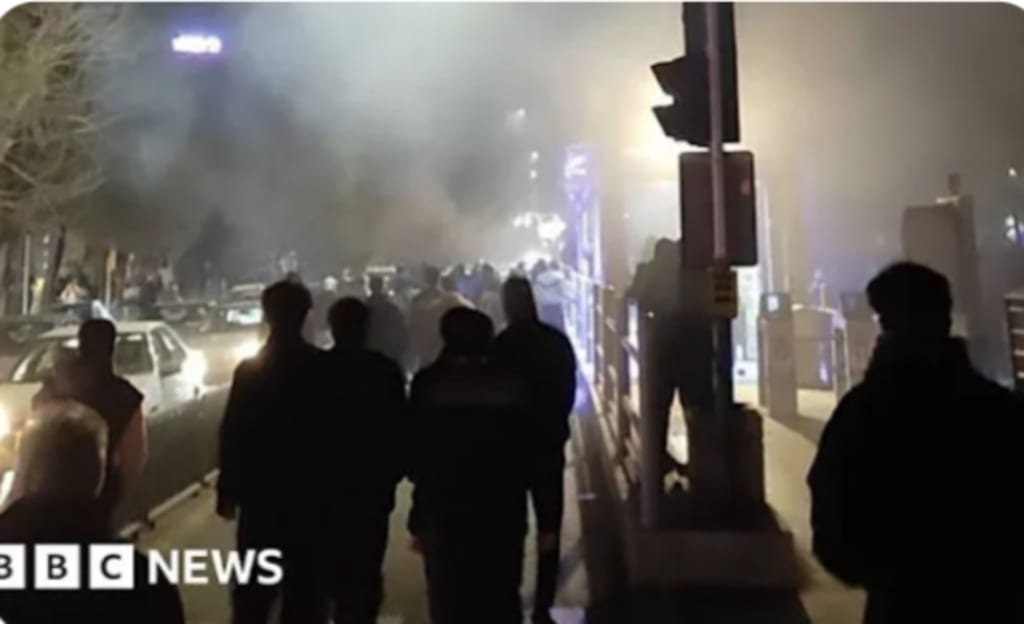
When we think of hospitals, we imagine a safe place—a place to heal. But in Iran today, hospitals are becoming dangerous for protesters. Injured demonstrators are avoiding medical care out of fear of arrest, and doctors are risking their lives to treat them in secret.
Here’s what’s happening.
Fear in the Hospitals
Tara, a protester from Isfahan, recalls being shot with birdshot while marching for her rights. She was bleeding, terrified, and had one thought on repeat: “Don’t take us to a hospital.”
Why? Because hospitals in Iran are no longer neutral spaces. Security forces actively monitor them, looking for injured protesters to detain. That means seeking medical help could lead not just to arrest but to unknown detention conditions.
So instead of going to a hospital, Tara was taken by strangers to a private home, where a trusted doctor cleaned her wounds. Some birdshot was removed, but much remained lodged in her body—a reminder of both the violence she endured and the dangers of seeking care.
Hospitals as Tools of Repression
Reports show that authorities pressure medical staff to report patients with gunshot wounds or other protest-related injuries. In some cases, protesters have been arrested directly from hospital beds.
Doctors are being threatened with prosecution simply for treating patients, creating a chilling effect: many people now avoid hospitals altogether, even when badly injured.
This isn’t just about intimidation—it’s a systematic effort to make people fear seeking care.
Doctors Risking Everything
Some brave doctors refuse to let fear stop them. Nima, a Tehran-based surgeon, has worked around the clock to treat countless young protesters. On one night, he operated for almost 96 hours straight, handling gunshot wounds and trauma that sometimes left patients permanently disabled.
Even he avoids official hospital admissions for his patients whenever possible, knowing that doing so could put them in government custody. Some doctors have also started altering medical records to hide the nature of injuries and protect patients.
Homes and Private Clinics: The Last Safe Option
With state-run hospitals becoming securitized, doctors are turning to homes, private clinics, or back rooms to treat the injured. These makeshift spaces are often ill-equipped, but they are the only option to avoid arrest.
Private hospitals have reportedly been barred from treating protest-related injuries, leaving medics with little choice but to operate in secret. They treat everything from eye injuries to amputations, sometimes without proper medical supplies or support.
A Human Rights Crisis
International law clearly states that medical personnel and patients should not be interfered with, even in times of conflict. But by targeting wounded protesters and the doctors treating them, Iran is violating medical neutrality.
UN experts and human rights organizations have condemned these actions, highlighting the systematic fear and repression being enforced in hospitals. Every clinic visit has become a potential trap, every ambulance siren a source of anxiety.
The Cost of Silence
Exact numbers of deaths and injuries in Iran’s current unrest are hard to confirm. Official sources cite over 3,000 deaths, but independent groups believe the numbers are far higher. Many injured people likely never sought care because of fear of detention.
For protesters like Tara, avoiding hospitals isn’t a choice—it’s a matter of survival. The reality is stark: a place meant for healing has become a zone of fear, a reflection of the heavy-handed approach of authorities trying to suppress dissent.
Final Thoughts
The courage of protesters and the doctors treating them in secret is extraordinary. But the human cost is immense. Wounded people are forced to hide, risking infection and permanent injury, while medical professionals operate under threat of arrest.
In Iran today, medical care has become political, and every wound tells a story—not just of violence, but of resilience, fear, and the desperate search for safety.
About the Creator
Sajida Sikandar
Hi, I’m Sajida Sikandar, a passionate blogger with 3 years of experience in crafting engaging and insightful content. Join me as I share my thoughts, stories, and ideas on a variety of topics that matter to you.
Keep reading
More stories from Sajida Sikandar and writers in Humans and other communities.
“Crying Horse” Toys Go Viral in China Ahead of Lunar New Year
Just a few weeks before the 2026 Lunar New Year, a new star has emerged in Chinese households — but it’s not your typical festive mascot. Meet the “crying horse”, a plush toy whose sad, downturned face has captured the hearts of shoppers and social media users alike.
By Sajida Sikandar3 days ago in Humans
Time to change your life.
Is it even possible for you to change your life? A lot of people, more than there should be, are unhappy with their lives. But what are they doing about it? Usually nothing. People talk about how shitty their lives are and want change, but are they not taking the actions to change?
By Jen Phillipsabout 19 hours ago in Humans
The Demons We Invent: Ego, Free Will, and the Illusion of Darkness
For as long as human beings have been able to name their fears, we have created shapes to hold them. Every culture, every religion, every era has produced its own vocabulary for the unseen forces that trouble the mind and unsettle the heart. In the ancient world, these forces were often personified as demons—malevolent beings who whispered temptation, sowed chaos, and preyed upon the vulnerable. But as our understanding of psychology, consciousness, and spiritual agency has deepened, a different picture has begun to emerge. The demons we fear may not be external entities at all. They may be projections of our own ego, born from the parts of ourselves we refuse to acknowledge, the consequences of our choices, and the destruction our free will has caused. When we follow divine will, these demons dissolve, not because they have been defeated, but because they were never real in the first place. They were shadows cast by our own resistance to truth.
By Julie O'Hara - Author, Poet and Spiritual Warrior2 days ago in Humans



Comments
There are no comments for this story
Be the first to respond and start the conversation.