
Do You Have The Fear of Privacy?
A Social Disease That Affects More and More People

In a society in which individualism is the main ideology, in which it is increasingly difficult for a man to show his true face, the fear of intimacy is a real social disease that affects many people. This is because today's man builds various social roles depending on the context, maintains multiple relationships in various areas of his life, so a deep relationship based on honesty, communication, and affection is difficult to create and sustain.
Those who face the fear of intimacy have real problems in maintaining a long-term relationship, be it friendship or love. Some limit themselves to superficial friendships - friends by the glass, and love for them is just a word used in movies and stories.
What does the fear of privacy mean? It means avoiding the sincere approach of a person, avoiding showing your true face, your true thoughts, and ideas, being content with displaying a pleasant mask, which shows you to those around you as a pleasant and jovial person.
He who is afraid of closeness and contact will never share his problems, fears, dark thoughts, will be content to say that everything is ok.
This intense fear of making a deep connection with other people comes from the fear of being abandoned - of truly being attached to someone and then suffering, or the fear of not being liked - if they reveal their true self. face, the man is afraid that he will be judged or ridiculed. So, rather than risk being opened up in front of someone and being let down or ridiculed, some people prefer to "play cautiously," to show others only the pleasant parts of their personality.
They avoid real attachment and close relationships because they know or imagine that they know how much they will suffer when those relationships end.
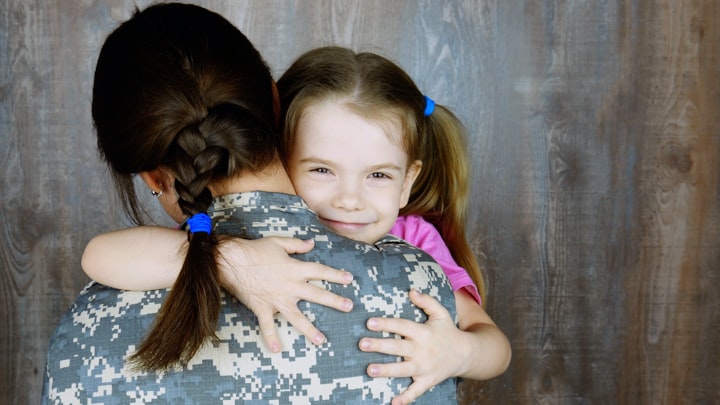
This fear of intimacy comes from childhood: these people were not offered an adequate model of family communication, they probably lived in a rigid family environment, devoid of affection, in which the expression of emotions was a sign of weakness. Their parents probably never gave them a chance to express their feelings, out of lack of interest or emotional availability.
Along with the non-communicative family environment, people who face the fear of privacy have most likely suffered great loss and suffering early in their personal development. They became deeply attached at one point to a person around them, only to be left behind by that person. Less important is whether they were abandoned, or that person disappeared for other reasons: moved elsewhere or died.
The idea remains the same: because they allowed themselves to be attached and show someone their true self, they suffered! So those people will solemnly promise themselves that they will never allow anyone to make them suffer again. They will thoroughly build a defensive wall within them, which will protect them from further suffering. And that wall will be so solid and useful that it will protect them not only from pain but also from any true closeness to other people.
What kind of relationships do people with a fear of privacy have? Superficial relationships are those people who have a lot of friends, former colleagues, current colleagues, friends with whom they see each other from time to time… but everything stops here!
They do not allow any of these friends to get too close and see everything there is to see. Maybe they have a closer friend, usually from childhood, before the wall that separates them from the rest of the world is built. That good friend may be the only one who knows them, but even he is not allowed to find out too much and go too deep into their minds.
As for love relationships, people who are afraid of intimacy are limited to having short relationships or adventures, they never give the relationship enough time to flourish, because it would risk too much - at least that's what they think! So, instead of risking being abandoned, they leave their partner as soon as possible, thus avoiding complications.
These people are often admired for their toughness and ability to move forward. But what people around them often don't realize is that they are not moving forward, they are just stuck in the middle! I don't allow any relationship to move forward, so I go back with another person and take it from the beginning until I reach the critical point again - when they are afraid of emotional involvement!
These people are often the ones who focus on their professional careers and use this argument to justify the lack of time or availability for a real relationship. There are those people who seem so hard on the surface that those around them can't even imagine how easy it is to break that shell of hardness, under which only fear and hope remain!
The fear of privacy can be overcome and if so, how? Many times, as these people mature and realize that they cannot live their entire lives in their safe isolation, a few subtle cracks appear in their defensive wall. And with a little luck, that person will appear patiently and intuitively enough to break the whole wall and see what is behind him! And then the true personality of the rigid one will be shown and a real closeness will be built!
But this miracle may not happen, it may be that the outward appearance of hardness is so convincing as to keep anyone away. And the man who faces the fear of human closeness to live his whole life displaying his perfect mask: he can even marry, and that marriage will imitate that of his parents: without sincere communication, without displaying emotions, without leaving vulnerability to come to the surface, without emotional availability!
And so another child will be born who will live in this rigid and unaffected environment and the story starts from the beginning!
About the Creator
Keep reading
More stories from Hester Schneider and writers in Humans and other communities.
How to Motivate (Not Force!) The Child to Adopt an Active Lifestyle
From the first steps, the child feels the need to move. All you have to do is bring it to the playground to convince yourself of this - it will climb on the slide, it will squat, it will hang on a ladder or rope, and so on.
By Hester Schneider4 years ago in Humans


Comments
There are no comments for this story
Be the first to respond and start the conversation.