
Discover Lishui: The Underrated Gem of Jiangsu-Zhejiang-Shanghai Region
4-Day, 3-Night Lishui Itinerary
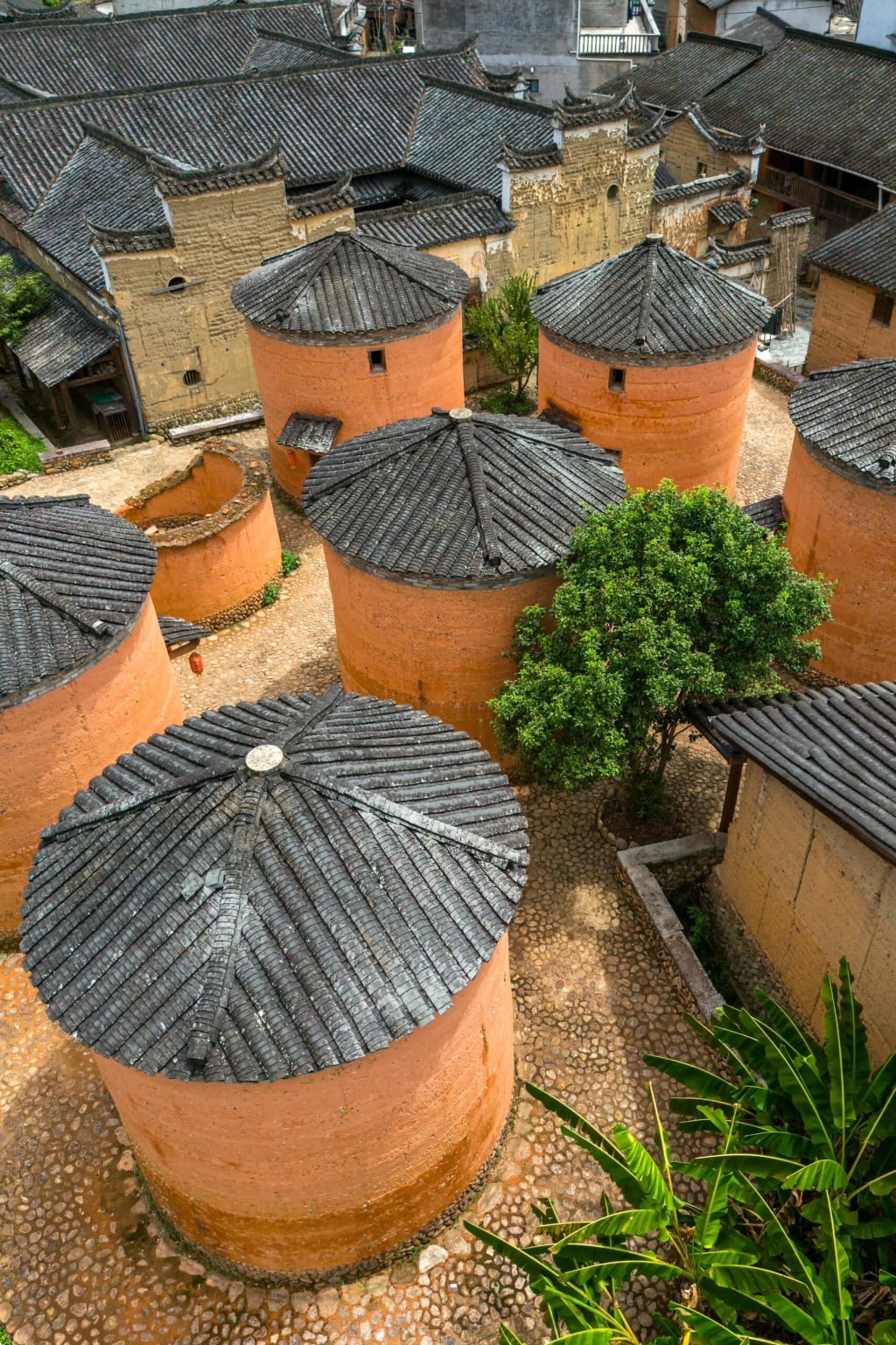
And if you’re looking for an off-the-beaten-path destination near the Jiangsu-Zhejiang-Shanghai region, I’ve got a hidden gem for you—Lishui. This small city in Zhejiang province is often overlooked, but trust me, once you experience it, you’ll fall in love. Known as “The Last Secret of Jiangnan” by National Geographic, Lishui is the perfect blend of natural beauty, ancient villages, and a slower, more relaxed pace of life. If you’re tired of crowded tourist spots and want to explore somewhere peaceful and breathtaking, Lishui is the place to be.
I’ve been lucky enough to visit five times, and each trip has revealed something new. Whether it’s the tranquil lakes, misty mountains, or historic villages, Lishui never disappoints. It’s the kind of destination where you can truly unwind. So, if you’re planning a getaway, here's a detailed 4-day, 3-night itinerary that will take you through some of Lishui's best-kept secrets!

4-Day, 3-Night Lishui Itinerary:
Day 1: Xian Du Zhutan Mountain ➡ Yan Dang Study Room ➡ No.2 Kiln Cave ➡ Guo Yan Hua Xiang
Xian Du Zhutan Mountain
This stunning mountain area is one of Lishui’s highlights. It’s famous for its fog-covered landscapes and impressive natural beauty. This is where the famous “Old Man Herding Cattle” scene from the movie The Last Emperor was filmed. Perfect for photoshoots, it’s a paradise for nature lovers and photographers.

Yan Dang Study Room
A beautiful study built into the mountainside. The architecture is mesmerizing, and it's a great spot to take a break with a cup of coffee while surrounded by serene views.
No.2 Kiln Cave
If you’re a fan of photography, this is a must-visit. The white stones in the cave contrast beautifully with vibrant clothing, making for some stunning photos. It’s a popular spot for capturing the essence of Lishui’s natural beauty.

Guo Yan Hua Xiang
A picturesque ancient town with a history stretching back thousands of years. The old streets, ancient trees, and peaceful atmosphere make it an ideal spot for those looking to get away from the crowds and enjoy a slower pace.
Day 2: Yang Jia Tang Village ➡ Song Zhuang Village ➡ Chen Jia Pu ➡ Song Yang Old Street
Yang Jia Tang Village
Known for its ancient couple camphor trees, this village exudes charm. It’s an Instagram-worthy place with its traditional yellow walls, stone-paved roads, and historic feel. You’ll love exploring the narrow lanes and learning about the local history.

Song Zhuang Village
Famous for its serene streams and stone bridges, this village is perfect for a peaceful stroll. There are also quaint cafés and guesthouses where you can relax and take in the beautiful surroundings.
Chen Jia Pu
This village is home to some of Lishui's most popular landmarks, including the Flying Birds Collection boutique guesthouses and the Pioneer Bookstore. The bamboo forests are simply mesmerizing, and the alleys are perfect for capturing the essence of rural China.

Song Yang Old Street
A charming old street that has preserved much of its traditional architecture. It's a great place to wander, shop for local specialties, and get a taste of local life.
Day 3: Longquan ➡ Yunhe Rice Terraces ➡ Yunhe
Longquan and Yuan Di Village
Longquan is known for its traditional Chinese ceramics, and Yuan Di Village is a historic place where you can see ancient kilns in action. The area also boasts beautiful landscapes, including lush bamboo forests, so it’s perfect for anyone interested in culture and nature.
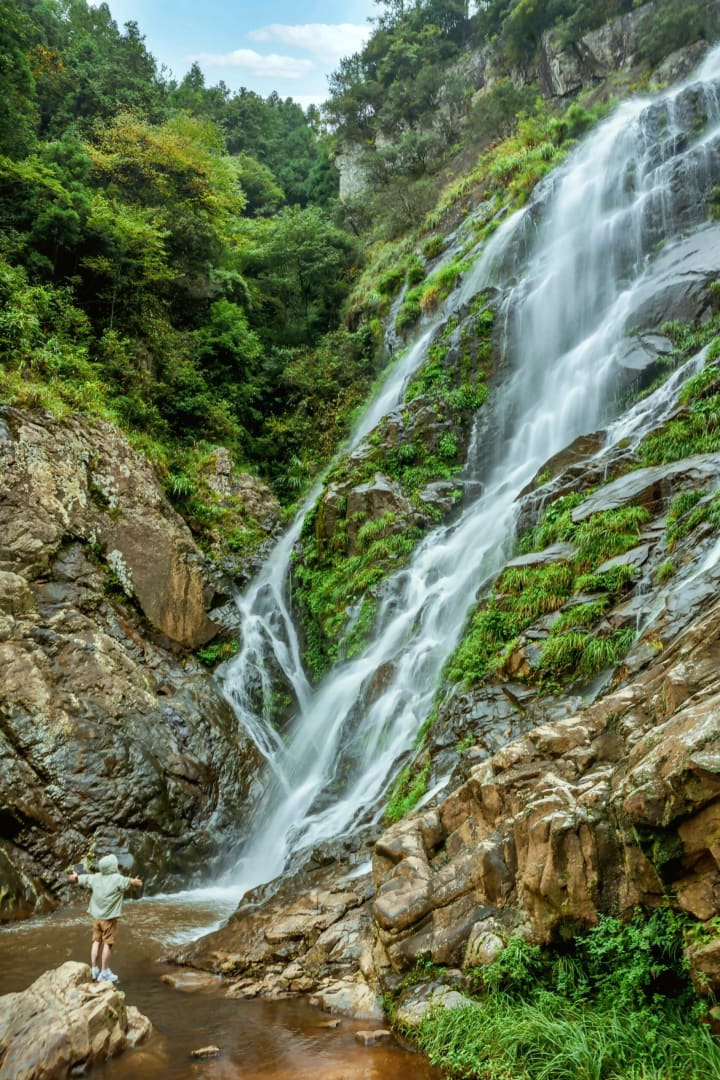
Longquan Celadon Museum
A great place to learn about Longquan’s famous green pottery, which has been crafted for over a thousand years. The museum offers fascinating insight into this ancient art form.
Yunhe Rice Terraces
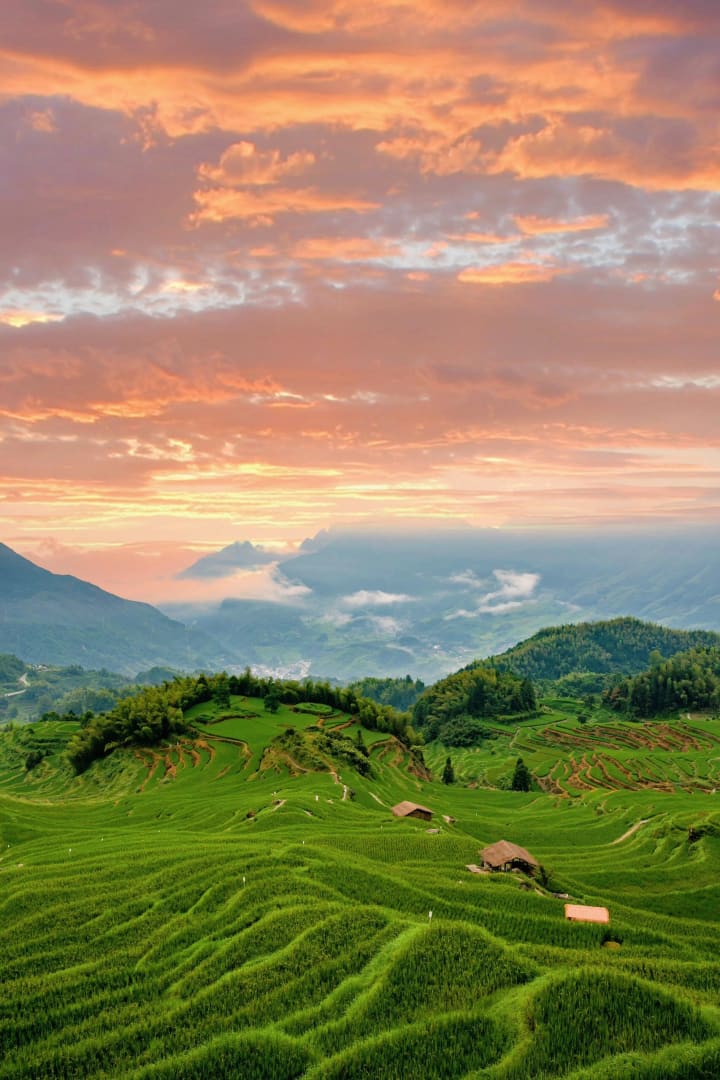
A true highlight of the region, the Yunhe Rice Terraces offer some of the most breathtaking views. With the sun rising over the fields, it’s a sight that will stay with you long after you leave. If you’re a fan of hiking or photography, this is an unmissable spot.

Day 4: Yunhe Rice Terraces ➡ Shisi Temple ➡ Xuehua Ji Waterfall
Yunhe Rice Terraces (Jiuzhi Yunhu)
If you’re an early riser, head to the terraces at sunrise for the most spectacular view. The surrounding fog, combined with the glimmering rice fields, creates an ethereal experience that’s perfect for a moment of reflection.
Shisi Temple
This ancient Buddhist temple is incredibly peaceful and is a perfect spot to take in some culture and history. It’s tucked away, far from the crowds, which makes it even more special.
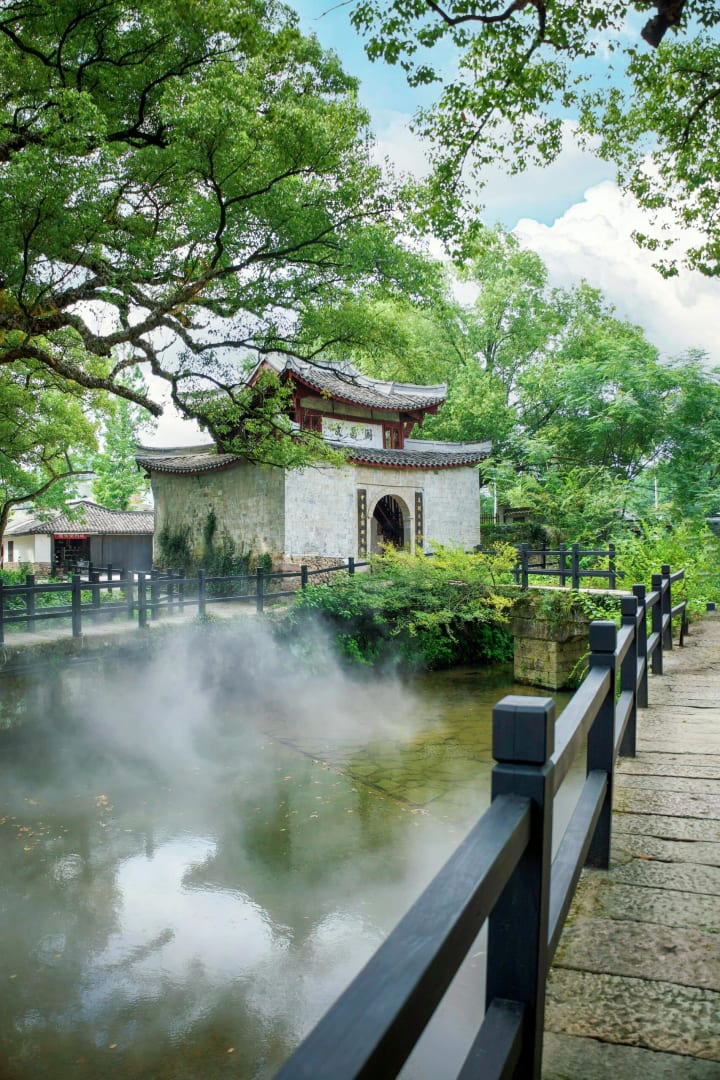
Xuehua Ji Waterfall
Known for its stunning beauty, this waterfall is one of the best natural attractions in Lishui. It’s peaceful, serene, and offers a perfect opportunity to connect with nature before heading back home.
Travel Tips for Foreign Visitors
Language: Mandarin is the primary language spoken in Lishui, and while some locals might understand basic English, it’s not widespread. I recommend using a translation app (Google Translate works well) to help with communication, especially in rural areas.
Cash & Payments: While mobile payments like Alipay and WeChat Pay are common, you might still need cash in smaller villages. Make sure to carry some Chinese yuan with you, especially when exploring less touristy spots.
Transportation: Lishui is not as connected to the major cities by public transport, so renting a car or hiring a local driver is the best option for exploring the region. If you're relying on taxis, apps like Didi (the Chinese equivalent of Uber) will come in handy.
Weather & Clothing: Lishui has a humid subtropical climate, so bring comfortable clothing for walking and hiking. Summers can be hot, while winters can be chilly. Pack layers and a good pair of hiking shoes for exploring the mountainous regions.

Cuisine: Lishui’s food is flavorful and hearty, but if you're not used to spicy food, be sure to ask for milder dishes. Don’t miss out on local specialties like smoked duck and tea-based dishes.
Cultural Etiquette: Chinese culture values politeness, especially when visiting temples and historical sites. Be respectful of local customs, and if you’re photographing people or religious sites, always ask for permission first.

Stay Connected: The internet in Lishui may be slower in some remote areas. Make sure you have an offline map downloaded (such as maps.me) for easy navigation if you’re venturing out of the city center.

Safety & Emergency Services: While Lishui is generally safe for tourists, it’s always a good idea to have emergency contacts handy, especially if you’re venturing into remote villages. The nearest hospital is in the city center.
About the Creator
Keep reading
More stories from anabelle tabby and writers in Humans and other communities.
Why I Prefer Shaoxing Over Suzhou and Hangzhou: A Hidden Gem of Jiangnan
If you're planning to explore the enchanting water towns of China, forget the usual suspects like Suzhou or Hangzhou for a moment—there's a quieter, more profound destination that truly captures the soul of Jiangnan. Shaoxing, often referred to as "the museum without walls," is a place where history, culture, and natural beauty converge in the most poetic way. This city, celebrated by National Geographic as one of the most beloved water towns in Jiangnan, is a must-visit for anyone who wants to truly understand the heart of this beautiful region.
By anabelle tabby12 months ago in Humans



Comments
There are no comments for this story
Be the first to respond and start the conversation.