
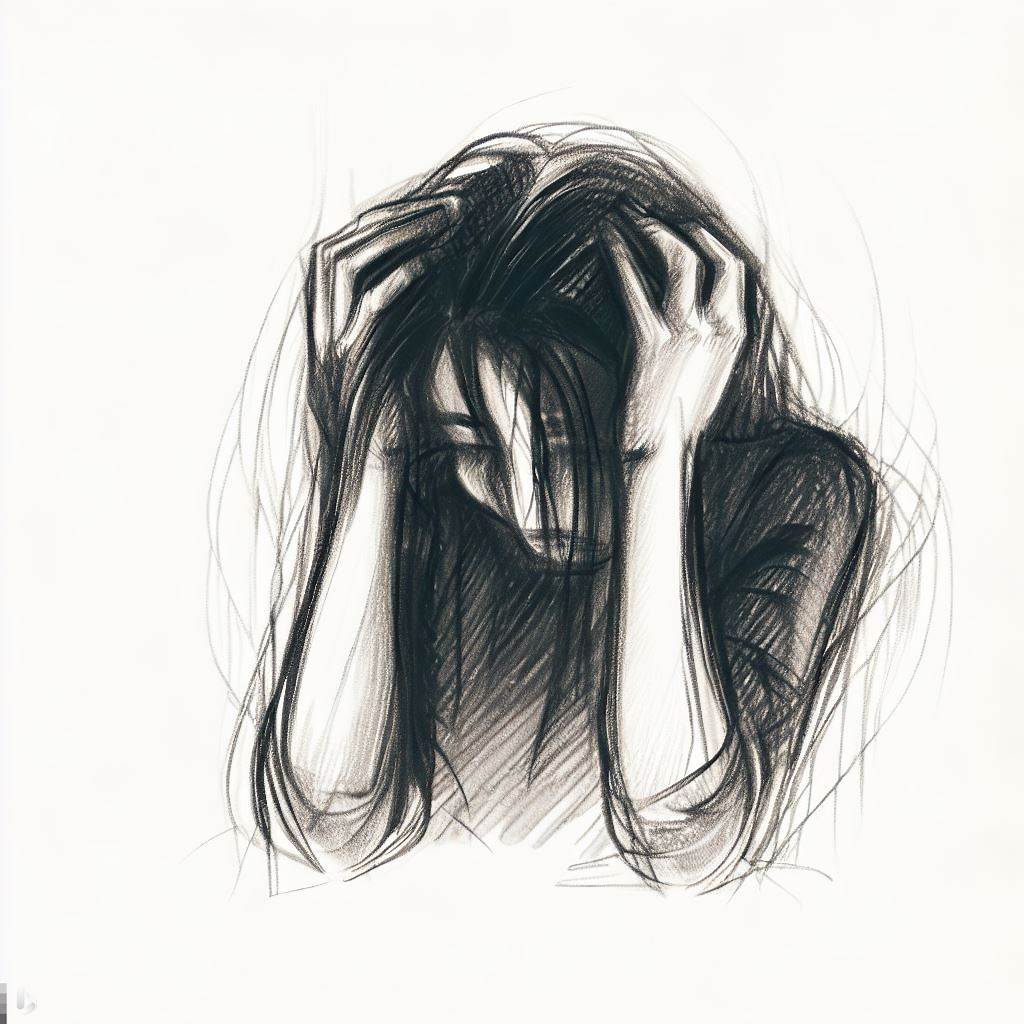
Depression, anxiety, and suicidal ideation are serious mental health conditions that can have a profound impact on an individual's life. Depression is characterized by feelings of sadness, hopelessness, and a general lack of interest in activities that were once enjoyable. Anxiety, on the other hand, is a general feeling of worry or fear that can be debilitating and interfere with daily life. Suicidal ideation refers to thoughts of taking one's own life, and it is often a result of untreated depression or anxiety.
If you or someone you know is experiencing depression, anxiety, or suicidal thoughts, it is essential to seek professional help immediately. A mental health professional can work with you to develop an individualized treatment plan that may include therapy, medication, or a combination of both. It is also helpful to have a strong support network of family and friends who can assist in times of need.
It is essential to understand that depression, anxiety, and suicidal ideation are treatable with the right help and support. If you or someone you love is experiencing any of these conditions, it is critical to take action and seek help as soon as possible.
“Depression”
Depression is a mental health disorder that can significantly impact a person's mood, thoughts, and daily life. Symptoms of depression can include feelings of hopelessness, sadness, and a lack of interest in activities that were once enjoyable. Other symptoms may include changes in sleep patterns, appetite changes, and feelings of fatigue or irritability.
Depression can have many different causes, including biological, environmental, psychological, and social factors. It is essential to seek professional help if you or someone you know is experiencing symptoms of depression. A mental health professional can work with you to develop a personalized treatment plan that may include therapy, medication, or a combination of both.
There are many effective treatments for depression, and early intervention is essential. Treatment can help individuals lead fulfilling lives and reduce the symptoms associated with depression. Some people may benefit from a combination of medication and therapy, while others may find therapy alone to be most helpful. It is crucial to work with a mental health professional to find the most effective treatment for your specific needs.
“Anxiety”
Anxiety is a mental health condition that is characterized by feelings of worry, fear, and unease about the future. Anxiety can impact a person's thoughts, emotions, and behaviors, and can often interfere with daily life. There are several types of anxiety disorders, including generalized anxiety disorder, panic disorder, social anxiety disorder, and specific phobias.
Symptoms of anxiety can include difficulty sleeping, racing thoughts, irritability, and physical symptoms such as sweating or muscle tension. While some level of anxiety is normal and even useful in certain situations, anxiety disorders can be severe and debilitating.
Treatment for anxiety can include therapy, medication, or a combination of both. Cognitive-behavioral therapy (CBT) is a common form of therapy that is often used to treat anxiety disorders. CBT helps people identify and change negative thought patterns that contribute to their anxiety. Medications such as antidepressants and benzodiazepines can also be effective in reducing anxiety symptoms.
It is essential to seek professional help if you or someone you know is experiencing symptoms of anxiety. With the right treatment, many people can effectively manage their anxiety and lead fulfilling lives.
Anxiety is a mental health disorder that is characterized by a feeling of worry, fear, or unease about upcoming events, situations, or perceived threats. Some level of anxiety is normal, as it can alert us to potentially dangerous or challenging situations. However, when anxiety starts to interfere with daily life and becomes persistent and excessive, it can be a problem.
Anxiety disorder can cause physical symptoms such as trembling, sweating, rapid heartbeat, and shortness of breath. It can also cause psychological symptoms, such as irrational worries, constant fear, and panic attacks. People with anxiety disorder may avoid certain situations, activities, or people that trigger anxiety.
Treatment for anxiety disorder may include therapy, medication, or a combination of both. Cognitive-behavioral therapy (CBT) is a common form of therapy used to treat anxiety, where individuals learn to recognize and change negative thought patterns that contribute to anxiety. Exposure therapy helps people gradually expose themselves to feared situations, which can help reduce anxiety over time.
It is essential to seek professional help if you suspect that you or someone else may have an anxiety disorder. Seeking proper treatment can help individuals learn how to manage their anxiety, improve the quality of their life, and reduce the impact of anxiety on their work, social, and personal relationships.
“Suicidal”
Suicidal ideation refers to thoughts of taking one's own life, and it is a serious mental health concern that requires immediate attention. People who experience suicidal ideation may feel hopeless, helpless, and overwhelmed by their thoughts and emotions. They may believe that their situation is hopeless or that they are a burden to others.
Suicidal thoughts can be caused by many different factors, including depression, anxiety, trauma, substance abuse, and other mental health conditions. It is important to take suicidal ideation seriously and seek professional help right away.
It is important to remember that there is help available for people who are struggling with suicidal thoughts or other mental health concerns. With proper treatment and support, it is possible to overcome suicidal ideation and live a fulfilling life.
About the Creator
Keep reading
More stories from Jake Narido and writers in Humans and other communities.
The CEO of Everything
They say "jack of all trades, master of none," but they forgot to mention the part where the jack of all trades is also the camera woman, the makeup artist, and the person currently yelling at a tangled Wii microphone cable in a her own bathroom while recording herself singing and trying to make it look realistic and professional. (As professional as you can make it with nothing but a cell phone camera and a mic that doesn't work)
By Sara Wilson6 days ago in Humans
Who am I?
I’m in a crowd of people, all I hear is noise surrounding me. Words echo like rolling thunder. Facial expression are vast like waves in the ocean. Im battling to drown out the chaos. This is me, and this is what daily life looks like for me. I am a woman, daughter, sister, mother, partner, friend, confidant, and every single title a woman can carry in a world that we need to be identified in with a word. Do I know who I am? Do these words that describe me, make me who I am? Or do the opinions and perception of others and maybe one. Make me who I am?
By Deana Cabison2 days ago in Humans



Comments
There are no comments for this story
Be the first to respond and start the conversation.