
DEATH AND THE EXPERIENCE
Cultural and Religious Perspectives on Death.

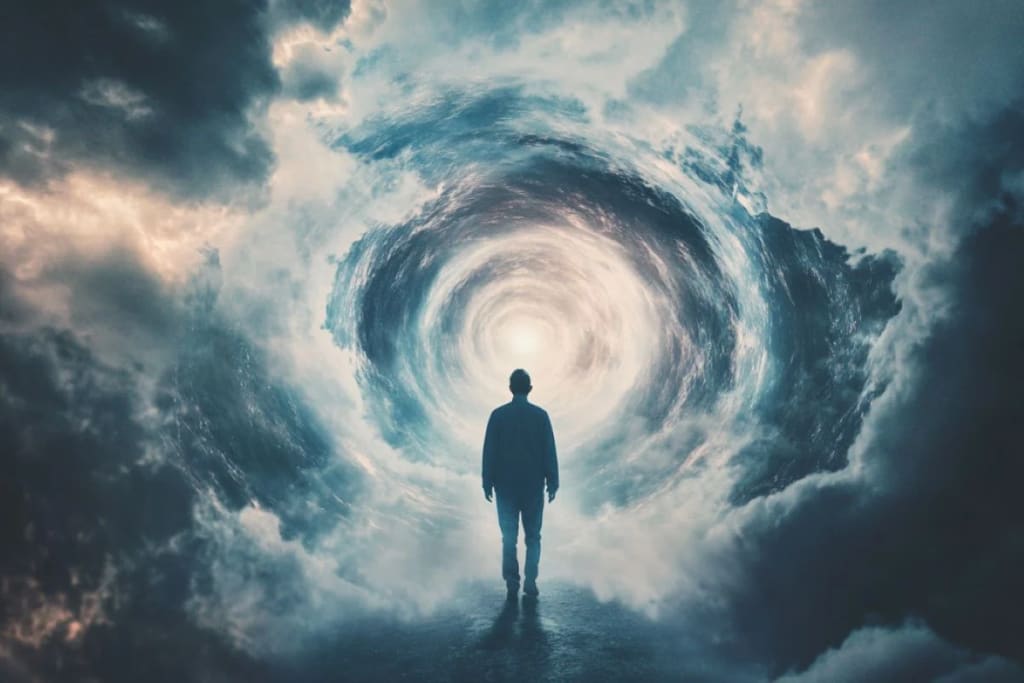
Death is an inevitable part of the human condition, and its significance has been contemplated by philosophers, theologians, and individuals throughout history. It is the final phase of life, the end of physical existence, and the conclusion of our journey in the world. Despite being universally shared, the experience of death raises profound questions and emotions, prompting individuals to consider its meaning and the implications for life itself.
The Inevitability of Death
Death is one of the few certainties in life. From birth, every human being is bound to experience this inevitable transition. Yet, even though death is certain, it remains one of the most difficult concepts for individuals to grasp. This paradox of inevitability versus uncertainty fuels much of human curiosity. People often avoid or deny the reality of death, distracting themselves with the busyness of life. The fear of the unknown, especially regarding what may lie beyond death, is a natural human response.
Many cultures and religious traditions have tried to offer explanations for death and what follows, providing comfort and context for people faced with loss. For some, death is a doorway to an afterlife, a transformation into another state of being. For others, it marks the end of consciousness and existence, creating a sense of finality that can be both humbling and terrifying.
Philosophical Views on Death
Philosophers have long grappled with the implications of death. In Ancient Greece, philosophers like Socrates and Plato explored death as part of their broader investigation into the nature of life and the soul. Socrates famously said, "Death may be the greatest of all human blessings." For him, death was either a peaceful sleep or a chance to reunite with lost friends in an eternal afterlife. Plato, influenced by Socrates, believed that the soul is immortal and that death frees it from the confines of the body.
On the other hand, existential philosophers such as Jean-Paul Sartre and Martin Heidegger emphasized the role of death in shaping human consciousness. Sartre's existentialism suggests that the awareness of death compels us to create meaning and purpose in life, as we know our existence is finite. Heidegger’s concept of "being-toward-death" indicates that an authentic life can only be lived with an awareness of mortality, where death is not an abstraction, but an ever-present force that shapes the way we live.
Death and Fear
One of the most profound human experiences related to death is fear. Fear of the unknown, of pain, of non-existence. These fears often prompt individuals to seek meaning in religious beliefs or philosophies that promise comfort and understanding. For many, the fear of death is tied to the idea of loss: the loss of loved ones, the loss of identity, and the loss of all that is familiar.
Interestingly, some psychologists argue that the fear of death can also motivate individuals to live life more fully. The understanding of one’s own mortality can lead to a deeper appreciation of the present moment, relationships, and the pursuit of personal goals. In this way, death, while a source of fear, can be a powerful motivator to engage with life in meaningful ways.
The Impact of Death on Relationships
Death also has a profound impact on relationships. The death of a loved one leaves a lasting emotional void, which can affect one’s sense of identity and social connections. Grief is a complex process that involves mourning the loss of a person but also confronting one's own mortality. Individuals may struggle to find meaning or a sense of closure, which can affect their ability to continue on with their daily lives.
Moreover, death often brings people together in shared experiences of mourning. Funerals, memorial services, and rituals allow individuals to publicly express their grief, honor the deceased, and offer comfort to one another. In these moments, the transient nature of life becomes evident, and the bonds that connect people become more apparent.
Cultural and Religious Interpretations
Cultural and religious views on death vary greatly, with each offering a unique perspective on the end of life. In many Eastern philosophies, such as Hinduism and Buddhism, death is seen as part of a cycle of reincarnation. The soul is believed to be reborn into new forms, continuing a journey through multiple lives. In contrast, Christianity, Islam, and Judaism generally teach that death is a transition to an afterlife, where individuals are judged based on their actions during life.
Even in secular societies, where belief in an afterlife may be less prevalent, death remains a central theme in literature, art, and social consciousness. Many people find comfort in rituals and ceremonies, regardless of religious affiliation, as they help mark the passage of life and provide a sense of order in the face of the unknown.
Death and Legacy
While death may mark the end of individual life, it does not necessarily mark the end of one’s impact on the world. People often consider what they will leave behind—whether it is through their children, their work, or their contributions to society. The legacy of an individual can continue long after death, shaping future generations and influencing the course of history.
In the modern age, many people also seek to immortalize themselves through digital means. Social media, recorded works, and even online memorials allow individuals to create lasting records of their lives, ensuring that their stories and experiences persist even after their physical death.
Conclusion
Death is an inescapable reality that defines the human experience. It is an event that shapes our perceptions of life, our relationships, and our values. While death can be a source of fear, sorrow, and uncertainty, it also gives life meaning by reminding us of its preciousness and fragility. Whether seen as a transition to another realm, a return to the earth, or the end of existence, death’s inevitability prompts individuals to reflect on the nature of life itself and what it means to truly live.
About the Creator
Badhan Sen
Myself Badhan, I am a professional writer.I like to share some stories with my friends.
Keep reading
More stories from Badhan Sen and writers in Humans and other communities.
ALTRUISM AND ITS IMPLICATIONS
Altruism, the selfless concern for the well-being of others, is a profound aspect of human behavior that has been studied extensively in psychology, philosophy, and sociology. This essay explores the concept of altruism, its underlying motivations, and its broader implications on personal relationships, societal development, and even evolutionary biology.
By Badhan Senabout a year ago in Humans
Adaptability: The Skill That Future-Proofs Your Career
Introduction: Why Adaptability Is the New Career Insurance The modern job market is changing at an unprecedented pace. Automation, artificial intelligence, remote work, and global competition have reshaped how careers are built and sustained. In this environment, technical expertise alone is no longer enough. The single most important skill that separates professionals who thrive from those who struggle is adaptability.
By Muhammad Talha Ahmada day ago in Humans




Comments (1)
What an interesting article. I know that I am going to die someday, but I believe that I will see my parents and all who have gone before me in heaven again before I begin watching over people down here somewhere as a wandering angel or spirit trying to help. I have had this feeling for a very long time.