
Deaf to the Sounds of the World: Understanding Silence in a Noisy Era
Exploring the Literal and Metaphorical Meanings of Disconnecting from Life’s Noise

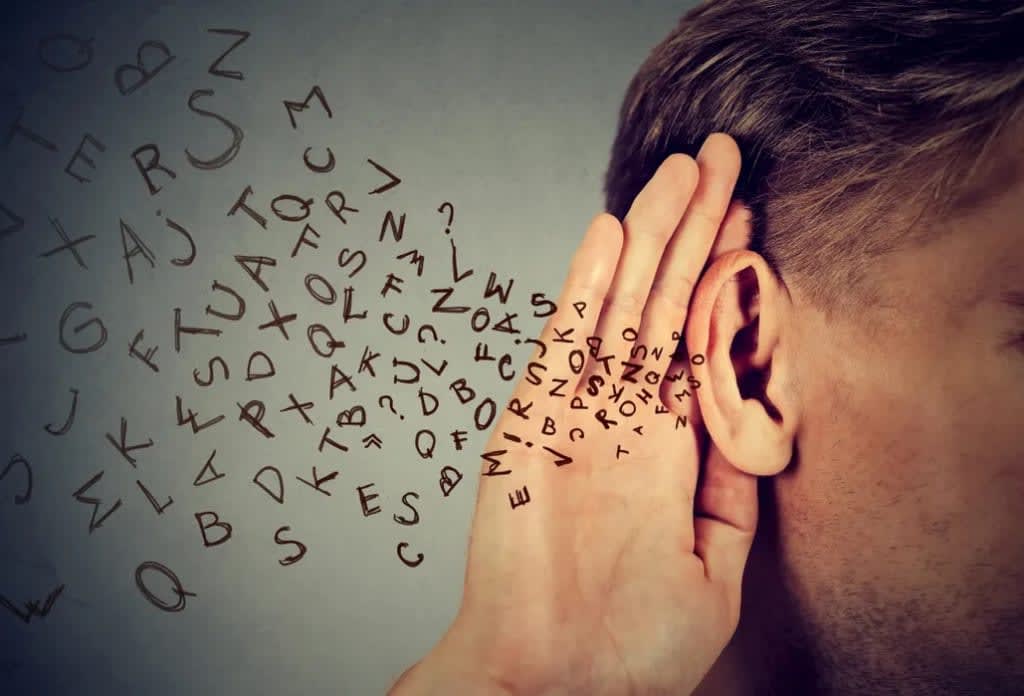
The world is brimming with sounds—constant chatter, mechanical hums, musical melodies, and the occasional chaos of life’s unpredictability. Yet, amidst this cacophony, there exists a profound concept: being deaf to the sounds of the world. While this phrase can be taken literally to mean physical deafness, it also carries a metaphorical weight, representing emotional detachment, introspection, or deliberate disconnection from external noise to focus on inner peace. This exploration delves into both the literal and symbolic meanings of being "deaf to the sounds of the world," offering insights into how it shapes human experience and fosters personal growth.
The Literal Experience: Living Without Sound
For individuals who are deaf or hard of hearing, the world exists in a different sensory dimension. Instead of perceiving life through sound, their reality is shaped by visuals, vibrations, and tactile interactions. Far from being limiting, many deaf individuals describe their world as rich and vibrant, with communication systems such as sign language, lip-reading, and technology enhancing their connection to others.
The deaf community has cultivated a unique culture, emphasizing the value of visual language and communal solidarity. The absence of sound doesn’t equate to silence; rather, it allows for alternative ways of interpreting and interacting with the world. People who are deaf often develop heightened visual awareness and a deep appreciation for the subtleties of expression and body language, proving that a life without sound can be equally meaningful and fulfilling.
Metaphorical Deafness: Filtering Out Noise
In a metaphorical sense, being deaf to the sounds of the world represents the ability to tune out distractions, chaos, or external influences that detract from one’s purpose or peace of mind. The modern world is inundated with noise—not just audible sounds, but the constant flow of information, opinions, and demands that pull people in countless directions. Learning to become "deaf" to unnecessary noise is a skill that fosters clarity and emotional well-being.
1. The Need for Silence
In a society that glorifies busyness and constant connection, silence is undervalued. Yet, moments of silence allow individuals to recharge, reflect, and reconnect with themselves. Being metaphorically "deaf to the sounds of the world" means cultivating the discipline to step away from the chatter of social media, the pressures of consumerism, and the relentless demands of productivity. It means embracing stillness as a pathway to self-awareness.
2. Protecting Mental Space
Noise pollution doesn’t just refer to literal sound; it also includes the mental clutter caused by excessive information and societal expectations. Protecting one’s mental space by being selective about the "sounds" allowed into one’s life—whether opinions, criticisms, or media narratives—can help maintain emotional balance. This metaphorical deafness is not about ignoring reality but about curating what deserves attention.
Cultural and Philosophical Perspectives
Throughout history, many cultures and philosophies have emphasized the value of stepping away from worldly distractions to achieve inner peace. Buddhist monks, for example, practice silence as a form of meditation, training the mind to focus inward rather than being overwhelmed by external stimuli. Similarly, Stoic philosophers like Marcus Aurelius advocated for detachment from public opinion and societal noise, encouraging individuals to focus on what truly matters.
This concept of detachment aligns with the idea of being "deaf to the sounds of the world." It’s a call to prioritize inner values over external validation, to listen to one’s intuition rather than the clamor of others’ expectations.
The Role of Technology in Modern Noise
Technology has amplified the world's noise exponentially. Smartphones, social media, and 24/7 connectivity have created an environment where silence feels rare and disconnection seems impossible. While technology offers incredible opportunities for communication and learning, it also bombards users with constant notifications, advertisements, and updates that contribute to mental fatigue.
Learning to use technology mindfully can help individuals become metaphorically deaf to the world’s unnecessary sounds. Strategies such as setting boundaries for screen time, silencing notifications, or taking regular digital detoxes can restore a sense of balance and tranquility.
The Beauty of Listening in Deafness
Paradoxically, being deaf to the sounds of the world can make one a better listener—not to external noise, but to the whispers of the heart, the rhythm of the breath, and the subtle cues of the environment. When external noise is muted, either literally or metaphorically, individuals are more attuned to the nuances of life that often go unnoticed.
For those who are literally deaf, this might manifest in an enhanced awareness of visual beauty, touch, or the emotional undertones of a conversation. For others, it might mean paying attention to their inner voice, dreams, or creative impulses that get drowned out by daily distractions.
How to Cultivate Selective Deafness
Whether interpreted literally or figuratively, becoming selectively deaf to the world’s noise is a skill worth developing. Here are practical ways to embrace this concept:
Practice Mindfulness: Dedicate time to meditation or mindfulness practices to quiet the mind and reduce mental noise.
Limit Digital Consumption: Unplug from screens periodically to minimize the constant influx of information.
Create a Quiet Space: Designate a physical area in your home for reflection or relaxation, free from distractions.
Set Boundaries: Learn to say no to unnecessary obligations or influences that drain energy.
Prioritize Inner Peace: Focus on activities and relationships that align with your values and bring joy.
Conclusion
Being "deaf to the sounds of the world" is a profound concept that can be embraced on multiple levels. For those who experience literal deafness, it represents a rich sensory world defined by visual and tactile beauty. In a metaphorical sense, it symbolizes the strength to disconnect from the chaos of the external world to focus on inner peace, clarity, and purpose.
In an era dominated by noise—both literal and figurative—the ability to tune out the unnecessary and prioritize what truly matters is a skill that enhances well-being. By cultivating selective deafness, individuals can navigate the world with greater intention, balance, and fulfillment, discovering the profound beauty of silence amidst the noise.
About the Creator
Adaptability: The Skill That Future-Proofs Your Career
Introduction: Why Adaptability Is the New Career Insurance The modern job market is changing at an unprecedented pace. Automation, artificial intelligence, remote work, and global competition have reshaped how careers are built and sustained. In this environment, technical expertise alone is no longer enough. The single most important skill that separates professionals who thrive from those who struggle is adaptability.
By Muhammad Talha Ahmad5 days ago in Humans




Comments
There are no comments for this story
Be the first to respond and start the conversation.