
Coping with Infidelity: Emotional Healing for Couples
Explore effective strategies for healing and rebuilding your relationship after infidelity.

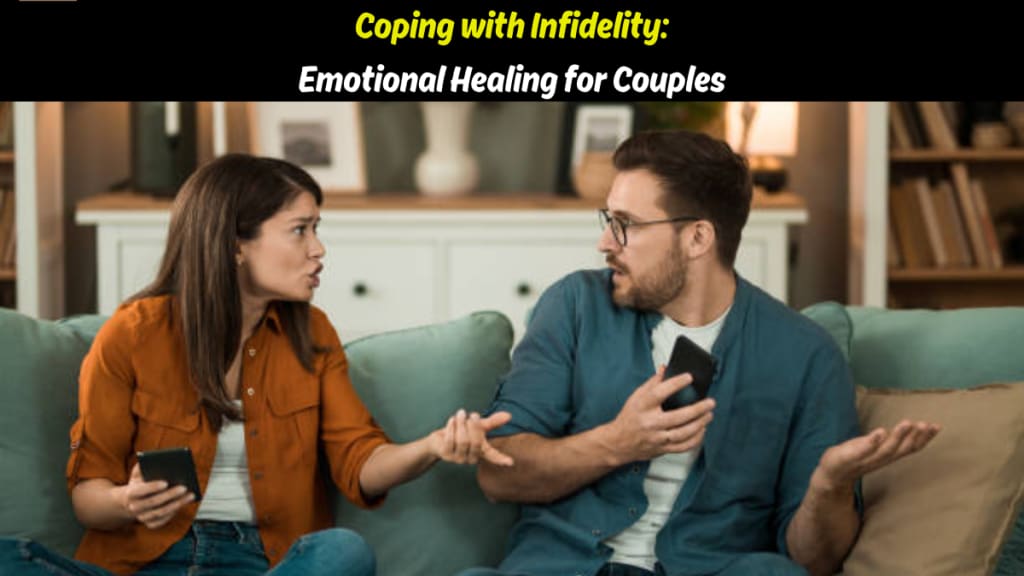
Infidelity can be one of the most devastating experiences a couple can face. It often leads to intense emotional pain, confusion, and a sense of betrayal. However, healing is possible, and many couples can emerge from the experience stronger than before. This article will provide a comprehensive guide to coping with infidelity, focusing on emotional healing for both partners.
Understanding Infidelity
What is Infidelity?
Infidelity refers to a breach of trust in a romantic relationship, typically involving one partner engaging in emotional or physical intimacy with someone outside the relationship. It can take many forms, including emotional affairs, physical affairs, and online relationships. Understanding the nature of infidelity is crucial for couples seeking to heal.
Common Types of Infidelity
Emotional Infidelity:
This occurs when one partner develops a deep emotional connection with someone else. Emotional infidelity can be just as damaging as physical infidelity, as it often involves sharing intimate thoughts and feelings that should be reserved for the primary relationship.
Physical Infidelity:
Physical infidelity involves sexual activity with someone other than one’s partner. This is often the most recognized form of cheating and can lead to significant emotional distress for the betrayed partner.
Online Infidelity:
With the rise of technology, online infidelity has become increasingly common. This includes engaging in romantic or sexual conversations through social media, dating apps, or other digital platforms.

The Emotional Impact of Infidelity
1. Shock and Denial
Initial Reactions
When infidelity is discovered, the initial response is often shock. The betrayed partner may struggle to accept what has happened, leading to feelings of disbelief. This denial can serve as a temporary coping mechanism, allowing individuals to process the emotional impact at their own pace.
2. Anger and Resentment
Navigating Intense Emotions
Anger is a natural reaction to betrayal. The betrayed partner may feel a deep sense of resentment towards the unfaithful partner, as well as towards the person involved in the infidelity. This anger must be acknowledged and processed for healing to take place.
3. Guilt and Shame
Complex Emotions
Both partners may experience guilt and shame. The betrayed partner might question their worth and wonder if they could have done something differently. Meanwhile, the unfaithful partner often struggles with guilt for their actions and the pain they have caused.
4. Sadness and Grief
Mourning the Loss
Infidelity can lead to a profound sense of loss. The betrayed partner may mourn the relationship they thought they had, feeling sadness over lost trust and intimacy. This grief is a natural part of the healing process.

Steps to Emotional Healing
Step 1: Acknowledge the Pain
Validating Emotions
The first step towards healing is acknowledging the pain caused by infidelity. Both partners should allow themselves to feel and express their emotions without judgment. This validation is crucial for moving forward.
Step 2: Open Communication
Creating a Safe Space
Effective communication is essential in the healing process. Both partners should create a safe space to discuss their feelings openly. The betrayed partner needs to express their hurt, while the unfaithful partner must listen and respond with empathy.
Step 3: Establish Boundaries
Defining Relationship Limits
Setting clear boundaries can help both partners feel more secure as they navigate the healing process. Discuss what is acceptable behavior moving forward and establish guidelines to prevent future infidelity.
Step 4: Seek Professional Help
Engaging a Therapist
Therapy can provide valuable support for couples dealing with infidelity. A trained therapist can help both partners process their emotions, develop effective communication skills, and work through the underlying issues that contributed to the infidelity.

Step 5: Focus on Self-Care
Prioritizing Individual Well-Being
Both partners should prioritize self-care during this challenging time. Engaging in activities that promote physical and emotional well-being—such as exercise, hobbies, and spending time with supportive friends—can aid the healing process.
Step 6: Rebuild Trust
Taking Steps Towards Reconnection
Rebuilding trust takes time and effort. The unfaithful partner must demonstrate reliability and transparency, while the betrayed partner must work towards forgiveness. This process can involve small steps, such as sharing daily experiences and being open about feelings.
Step 7: Forgiveness
Letting Go of Resentment
Forgiveness is a crucial step in healing. The betrayed partner must work towards forgiving their partner for the infidelity. This does not mean forgetting or excusing the behavior, but rather letting go of the resentment to move forward.
Step 8: Reconnect Emotionally
Strengthening the Bond
After addressing the betrayal, couples should focus on reconnecting emotionally. This can involve spending quality time together, engaging in new activities, and fostering intimacy. Building positive experiences can help restore the emotional bond.

Conclusion
Coping with infidelity is a challenging journey that requires dedication, patience, and open communication. The emotional impact can be profound, but healing is possible. Acknowledging pain, fostering open dialogue, and establishing boundaries are essential steps in the recovery process.
Forgiveness and rebuilding trust take time, but they are achievable with commitment from both partners. Couples must prioritize self-care and consider seeking professional help to navigate the complexities of their emotions. By actively engaging in the healing process, couples can create a stronger, more resilient relationship.
Ultimately, while the road to recovery may be difficult, many couples find that they can emerge from the experience with a deeper understanding of each other and a renewed sense of connection.
FAQs
1- What are the emotional stages after discovering infidelity?
Common emotional stages include shock, anger, guilt, sadness, and grief. Each partner may experience these feelings differently, and acknowledging them is essential for healing.
2- How can couples communicate effectively after infidelity?
Creating a safe space for open dialogue is crucial. Both partners should express their feelings honestly, listen actively, and respond with empathy to foster understanding and healing.
3- Is professional help necessary for healing?
While not mandatory, professional help can provide valuable support. A therapist can guide couples through their emotions, improve communication, and address underlying issues related to infidelity.
4- How long does it take to rebuild trust?
Rebuilding trust varies for each couple and can take months or even years. Consistent effort, transparency, and open communication are essential for restoring trust over time.
5- Can relationships survive infidelity?
Yes, many relationships can survive infidelity. With commitment, open communication, and a willingness to work through issues, couples can rebuild their relationship and emerge stronger.
Short Note for Unsplash and Pexels
For high-quality images to enhance your article on coping with infidelity, visit Unsplash and Pexels. Both platforms offer a variety of free images that can visually complement your content.
If you found this article helpful and want to enhance your relationships even further, explore more insightful articles on our site! Discover tips, strategies, and advice tailored to help you navigate love and communication. Dive in now and unlock the benefits of healthier connections! Click Here….
>>>>>>……...The End……>>>>>>>
About the Creator
Abdul Jamil Nasir
Hello! I’m Abdul Jamil Nasir, a passionate writer exploring life, love, and culture. I focus on relationships, personal growth, and human emotions, believing in the power of words to inspire and connect with readers.
Keep reading
More stories from Abdul Jamil Nasir and writers in Humans and other communities.
Rebuilding Trust After Infidelity: A Step-by-Step Approach
Infidelity can shatter the foundation of trust in a relationship, leaving both partners feeling hurt and confused. Rebuilding trust after such a betrayal is a challenging but necessary process for many couples. This article will provide a step-by-step approach to help partners navigate this difficult journey, emphasizing the importance of communication, empathy, and commitment.
By Abdul Jamil Nasirabout a year ago in Humans
Practical Tips For Singles Struggling With Commitment Fears
Fear of commitment does not manifest itself without cause. Such fears have their roots in the past heartbreak, childhood or observing unhealthy relationships during childhood in many single people. Unprocessed emotional wounds have the ability to provide protective walls. This makes the mind perceive long-term relationships as something vulnerable, lost or disappointing. Not to face pain once again, other people sabotage promising relationships unconsciously. The awareness that fear of commitment is a defense mechanism most of the times and not a personal weakness is the initial step towards effective change and emotional development.
By Grace Smith6 days ago in Humans


Comments
There are no comments for this story
Be the first to respond and start the conversation.