
Confronting Female Rivalry and Internalized Misogyny:
My Miss Universe Canada Experience


This past summer has awakened something special in me! Even though it felt like crossing the street after looking both ways and then unexpectedly getting hit by an airplane. I feel awake and alive, filled with excitement for further discovery and personal growth for the remainder of 2025.

You might wonder what triggered this awakening. It all began during my pageant interview training in June, where I was asked a very profound question that resonated deeply with me: "What can we, as women, do to improve or support one another?" At the time, I knew my answer, but I struggled to find the right words to express it. Today, I hope to convey my thoughts clearly.
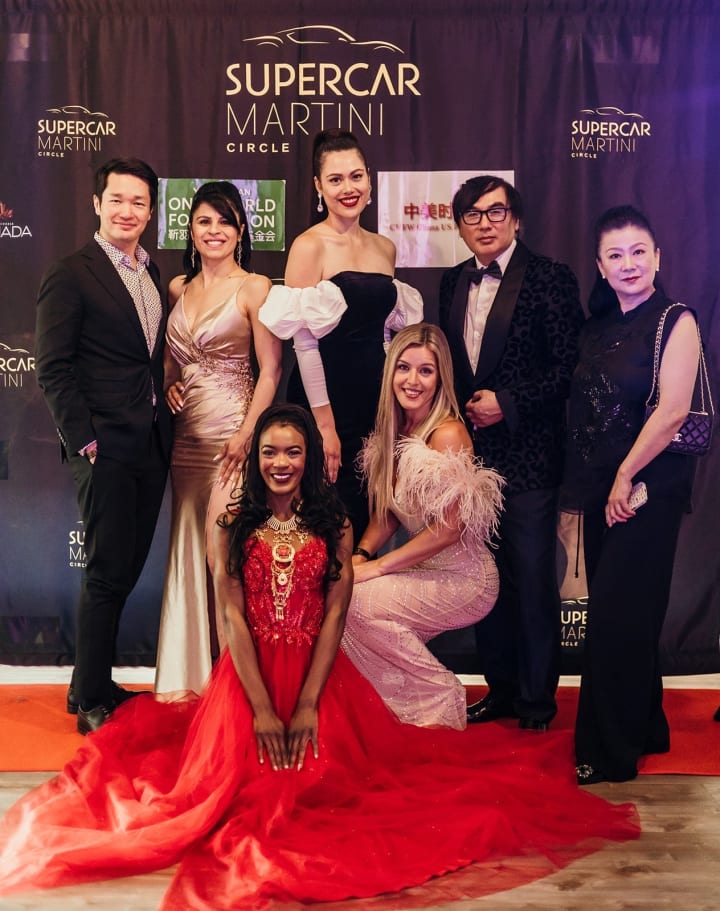
For those who may not know me, my name is Musulyn, formerly known as Muse. I recently had the fantastic opportunity and privilege to compete in the Miss Universe Canada 2025 pageant. Although I didn’t advance in the final competition, that’s just a small part of this story. What really surprised me was the emotional journey I discovered along the way. I approached the competition with optimism and a “supportive sisterhood” mindset, but I also confronted the deeper, often overlooked realities of female competition and the impact of internalized misogyny. If I am to be honest, I was expecting a big kumbaya sort of thing, but hey, it is what it is. The most intriguing part was the unexpected emotional insights that I gained from this experience.

After reflecting on recent events and delving deeper into my experience and understanding of the pageant world, I've come to genuinely appreciate how pageantry can be a beautiful and empowering platform when pursued with genuine intentions. Contrary to popular belief, it's not just about the glitz and glamour or appealing to beauty standards; it's about the unpretentious desire to make a positive impact and uplift others, bringing hope and optimism to our world. Hence, the term beauty with a purpose.

Pageantry has the power to launch careers, amplify unique voices, and foster lasting friendships. However, this summer, I witnessed firsthand how quickly the atmosphere can turn negative when individuals prioritize material success and comparison over personal growth.

I’ve witnessed it not only in pageants but also in sports, the film industry, “peer” groups in university and amongst family. These are universal experiences that many of us have faced. I’ve heard women criticize one another over trivial matters, such as hairstyles, never mind their dating choices. I’ve seen relationships fracture over money, coaching changes and sponsorship conflicts. I’ve witnessed women feeling pressured to compete against one another just for the drama, which has led to unnecessary tension and stress. And don't get me wrong, I’ve felt that pressure myself, and it can be tempting sometimes to give in; not participating in the final event of this year's pageant still weighs heavily on my heart. That, as an example, was a moment of pure disappointment and self-doubt. But it also became a powerful personal and universal lesson in resilience and the importance of staying compassionate and faithful to oneself by never giving up or succumbing to the noise. It's these lessons that inspire me to share my experiences and insights.

The Unspoken Contest
Let's take a moment to acknowledge an everyday reality. For decades, we have been engaged in a constant struggle to be seen, heard, and taken seriously. In our society, the success of one woman in a leadership or winning role is often viewed as a triumph for all women.

While this notion may seem empowering on paper, it subtly reinforces the idea that there is only room for one woman at the top. This scarcity mindset, perpetuated by societal structures and historical gender biases, pushes us to compete, not just against the system, but also with each other. This dynamic isn't confined to boardrooms and classrooms; it permeates even the closest of relationships, making it a universal issue that we all need to address.

In a society where opportunities are limited, the pressure on women to stand out can lead to unhealthy competition. Consequently, this pressure may cause some of us to undermine one another rather than offer support. It's no wonder society has labelled women as "catty" or "jealous"—these stereotypes, however, are not inherent; they stem from the survival instincts we've developed in a seemingly competitive landscape.

Women in positions of power, influenced by systemic factors that foster a scarcity mindset, sometimes adopt the very behaviours they once fought against. They mistakenly equate strength with outshining other women rather than uplifting them, especially when access to education and opportunity is limited.

The so-called "Queen Bee syndrome"—where women in power undermine their peers—is not merely a corporate phenomenon; it’s a pervasive experience that can manifest in a variety of life areas, from the workplace to social circles and beyond.
Iron Sharpens Iron
Yet, when we look around, we see that this isn’t always the case. In fact, there are numerous examples of successful collaborations among women in leadership roles, ranging from joint business ventures to shared mentorship programs. These instances not only inspire but also challenge stereotypes, proving that women can indeed work together effectively in leadership roles.

The women who truly thrive are not those who tear each other down; rather, they are the ones who uplift one another.
Competition or Conditioning?
Where does this rivalry originate? Is it something innate, or are we conditioned to compete? Our cultural narratives, from the epic tales of Greek mythology to the dramatic conflicts of reality TV, are saturated with instances of women pitted against each other—often for the attention, status, or validation of men. This narrative is deeply ingrained in our society and persists. But is it real, or are we perpetuating a myth designed to divide us?

Some cultures promote female competition as a rite of passage, while others subtly encourage it through beauty standards, social media, and a scarcity mindset. The power lies in questioning these stereotypes. By challenging the default notion of rivalry, we empower ourselves to confront societal norms and open the door to collaboration, sisterhood, and shared purpose.

The Conditioning We Inherit
The sad yet crucial truth however is that this rivalry isn’t inherent; it’s inherited. This mentality often stems from cultural, economic, or structural factors, where every achievement feels like something to be hoarded rather than shared.We absorb it from the generations that came before us—elders who never learned the value of emotional safety and, in turn, passed down feelings of shame.

I initially hesitated to share this, not wanting to come across as dramatic. However, I now understand that silence only perpetuates the stigma. Speaking out isn’t about calling people out; it’s about shining a light on the dynamics that affect us all and compelling us to drive the change we urgently need.
Glamour Meets Reality
Let's take a quick look at the human side of pageants. While they often exude a polished and aspirational facade, they are, at their core, very human. Even in competitions aimed at uplifting marginalized communities, such as transgender pageants, rivalry can rear its head. A recent incident involving Miss Cuba in a transgender pageant serves as a poignant example. Her reaction to not winning was a stark reminder that maintaining grace under pressure isn’t always feasible. To her credit, she issued a public apology, but the damage had already been done, highlighting the weight of public reactions.
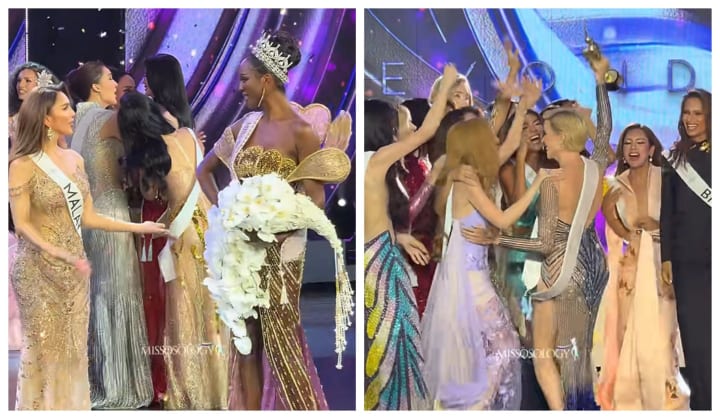
Like many of us, I too have felt the pang of jealousy. But it's crucial to remember that feeling an emotion is not the same as letting it control our actions. There's a more dignified and graceful way to handle disappointment. This is the crux of our discussion: as women, we should be able to maturely navigate competition without losing sight of our shared humanity.
Pageantry and the Illusion of Fairness
Miss Universe Canada, for instance, used to favour contestants with extensive pageant experience. With more flexible rules now in place, a more inclusive environment was expected. However, the reality is quite different. If you're new to the scene and up against someone who has participated in 29 pageants and won 19 titles, the playing field is far from level. This irony underscores the current unfairness. Without formal training or a strong pageant mindset, your chances of success are slim.

This year's competition has served as a crucial wake-up call, exposing the glaring divide between the glamorous image of our industry and the harsh realities that women as a whole in society face. It’s not just about the technical challenges; but the emotional struggles as well, such as jealousy, envy, and the difficult task of losing with grace.

When Inclusivity Backfires
What disturbed me the most about this year's universe competition was the unacceptable behaviour of some contestants following the announcement of the results.

A couple of fake Instagram accounts were created solely to bully and shame others under the guise of "seeking justice." after claims that the pageant was rigged. Regardless of the accuracy of the claims, such an approach is immature, trashy, and entirely uncalled for. This behaviour indicates that even if some of these women had won, they would not embody the true essence of what it means to be Miss Universe. Their blatant lack of sportsmanship was truly frustrating and highlights the critical need for a more respectful and fair competition.

There is a clear way to lose with dignity and seek justice without resorting to online bullying and slander. The harmful effects of online bullying and slander are significant, and we must confront these issues head-on within our online communities. Inclusivity is not just a concept, but a necessity for our community to thrive.

However, to the credit of some of the girls who didn't win, many went on to compete in different beauty pageants this fall. They secured winnning titles, with some poised to participate in international competitions in their respective divisions. Others signed movie deals, modelling contracts, and received invitations to model at New York Fashion Week.

It’s evident how well they excelled by losing with grace and refusing to let that moment define them. Through hard work and self-belief, they demonstrated that just because they didn't win this time doesn't mean they won't succeed in the future. This is a testament to true grace.
Awareness Is the Revolution in reframing the Story
It’s essential to ask ourselves questions like: Why do I feel uneasy about another woman’s success? What prevents me from sharing my knowledge with her? Why do I feel diminished when I see another woman shine?
These questions, though uncomfortable, are the fuel for our commitment. By confronting our internalized biases, we can begin to dismantle the systems that have positioned us as rivals, and actively engage in the change we want to see.
Education—both academic and emotional—holds the key to transformative change. Communities are essential in shifting the narrative.

Here’s how we can contribute to this positive change:
1. Challenge outdated stereotypes: By boldly moving beyond the “catfight” trope and spotlight uplifting stories that highlight camaraderie and mutual respect, when we do so we empower ourselves and others to break free from limiting narratives.
2. Build inclusive spaces: By fostering environments where women feel encouraged to share, grow, and lead without fear of judgment, we create a strong sense of belonging and acceptance, making everyone feel secure and valued.
3. Educate about systemic sexism: Recognizing that rivalry often stems from scarcity mindsets due to patriarchal influences is a crucial first step toward change.
4. Celebrate our collective achievements: By focusing on shared wins rather than just individual accomplishments, we recognize the power of teamwork and our collective strength in unity, making us feel united and strong.
5. Embrace intersectionality: True sisterhood encompasses all women—across race, class, sexuality, and ability—deepening our solidarity. Intersectionality, a term coined by Kimberlé Crenshaw, acknowledges that a combination of factors, including race, class, and gender, shapes women's experiences.
By embracing intersectionality, we can ensure that our community is inclusive and supportive of all women.
In conclusion
It’s time to ask: are we perpetuating a narrative that harms us more than it helps? If so, it's within our power to rewrite it.

I encourage you to apply these principles in your daily life and interactions, and to share them with others. Your actions are crucial in fostering a more inclusive and supportive community for all women.
By confronting our internalized biases and participating in community-driven change, we not only empower ourselves but also create a more inclusive and supportive environment for all women. This journey of self-discovery and growth can lead to personal empowerment, stronger relationships, and a more equitable society.
Let’s take this opportunity to take action and be the kind of women who not only open doors for one another but also celebrate each other’s achievements with enthusiasm. By doing so, we bridge gaps, foster equity, and create a community where mutual respect and support are integral.
If you made it this far, thank you so much for reading
until next time takecare.
About the Creator
Musulyn M (MUSE)
A writer, a witness, and a weaver of worlds. My words live where beauty & emotion meet truth, where memory becomes movement, and where the personal becomes political. I write to archive what’s sacred, and to amplify what’s silenced.
Keep reading
More stories from Musulyn M (MUSE) and writers in Humans and other communities.
Top 10 Best Sugar Daddy Apps That Send Money Without Meeting
In the modern digital dating landscape, finding the right sugar daddy apps that send money without meeting has become a highly popular pursuit for many individuals. People are increasingly looking for ways to establish mutually rewarding connections from the comfort of their own homes. This shift towards virtual connections offers a distinct layer of safety, convenience, and flexibility that traditional setups often lack. By utilizing these specialized platforms, users can connect with generous benefactors who are willing to provide financial support in exchange for online companionship, engaging conversations, and digital interactions. Navigating this unique space requires understanding which platforms are legitimate and cater specifically to these remote relationship dynamics safely.
By Mark Hipster7 days ago in Humans




Comments
There are no comments for this story
Be the first to respond and start the conversation.