
Condom Uses: What You Need to Know
Imagine a simple, thin shield that has quietly reshaped public health, empowered millions, and averted countless crises around the world.

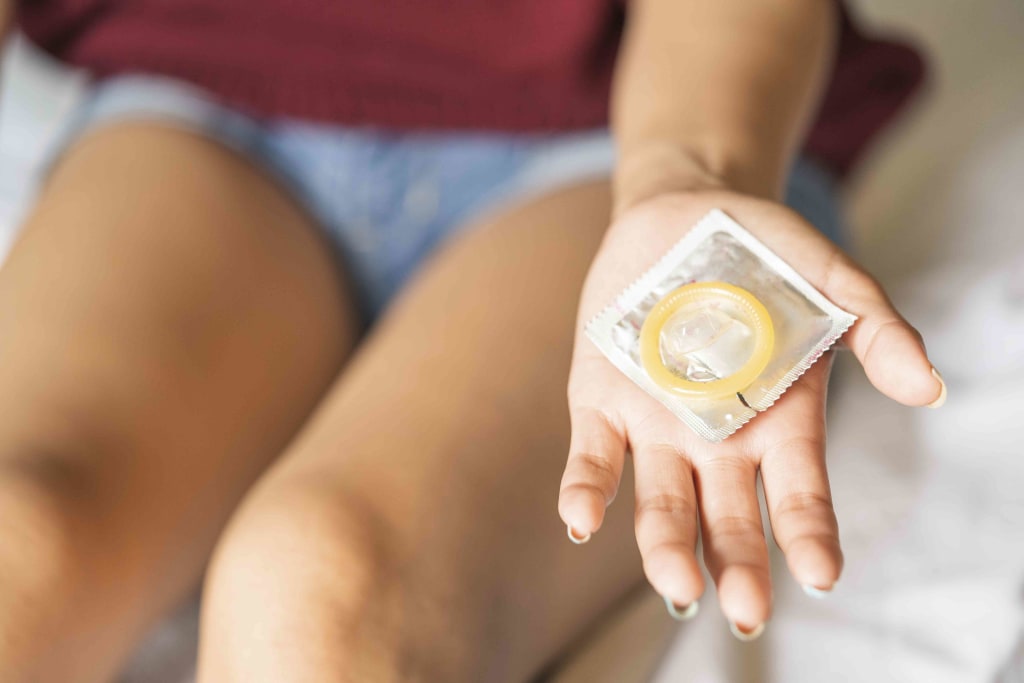
Imagine a simple, thin shield that has quietly reshaped public health, empowered millions, and averted countless crises around the world. It’s a tool often whispered about, sometimes debated, yet its impact resonates globally – from bustling metropolises to remote villages. Despite its humble appearance, this guardian has a fascinating history, far-reaching benefits, and persistent misunderstandings. Have you ever considered how one small invention could hold such immense power in protecting futures and promoting well-being across diverse cultures? This isn't just about a product; it’s about understanding a pivotal instrument in the ongoing fight for healthier lives and stronger communities worldwide.
A Journey Through Time: Where Did It Begin?
While modern condoms are a relatively recent innovation, the concept of barrier protection dates back thousands of years. Evidence suggests ancient Egyptians and Romans used rudimentary coverings made from animal intestines or treated linen for birth control and protection. The first recorded use of what we might recognize as a condom for disease prevention appeared in 16th-century Europe, primarily to combat syphilis, a rampant sexually transmitted infection at the time. Over centuries, materials evolved from animal membranes to rubber in the 19th century, and finally to latex in the 20th century, making them more accessible and effective.
The Unseen Advantages: Benefits for Global Health
Today, condoms are a cornerstone of public health, offering dual protection that few other methods can match. Their widespread use provides significant benefits:
* STD/STI Prevention: Condoms are highly effective in preventing the transmission of sexually transmitted infections (STIs), including HIV/AIDS, gonorrhea, chlamydia, and syphilis. This is arguably their most critical public health role, saving millions of lives and preventing widespread illness globally, particularly in regions where HIV prevalence remains high.
* Family Planning & Birth Control: They offer a reliable, accessible, and reversible method of contraception, empowering individuals and couples to make informed decisions about family size and spacing. This contributes to better maternal and child health outcomes, economic stability for families, and sustainable population growth.
* Empowerment: Condoms provide individuals, especially women, with a tool for self-protection and control over their reproductive health, regardless of a partner’s cooperation in other contraceptive methods.
Addressing the Shadows: Misconceptions and Challenges
Despite their proven effectiveness, condoms face various challenges and misconceptions:
* Cultural and Religious Barriers: In some societies, cultural norms or religious beliefs may discourage or prohibit condom use, hindering public health efforts.
* Misinformation and Stigma: False information about their effectiveness or safety, along with social stigma associated with their use, can deter people from using them consistently.
* Correct Use: While effective, their efficacy largely depends on correct and consistent use. Improper use can lead to breakage or slippage, reducing protection.
* Accessibility and Affordability: In some low-income countries, access to affordable condoms remains a barrier, despite global efforts to provide them.
A Continued Call: Education and Open Dialogue
The story of this silent guardian is far from over. From its earliest forms to modern latex technology, it has played a critical role in shaping reproductive health and preventing disease globally. Addressing the persistent challenges requires ongoing education, open dialogue, and a commitment to dispelling myths. By understanding its profound impact and embracing its role as a vital tool, societies worldwide can continue to build healthier, more empowered futures, ensuring this simple shield continues its quiet, yet powerful, work.
In summary, the condom stands as a powerful public health tool. It prevents unintended pregnancies and plays a crucial role in curbing the spread of sexually transmitted infections. Its correct and consistent use empowers individuals, fosters healthier communities, and is vital for a safer global future.
💗 Thank you for reading! Hearts, pledges, and tips are motivating me to write more. I appreciate your support.💗
About the Creator
Keep reading
More stories from Reality Broo and writers in Humans and other communities.
The Red Zones: Unmasking the World's Silent Crisis
For decades, a single acronym struck fear into hearts worldwide: AIDS. It represented a silent, relentless thief, stealing lives, shattering families, and casting a long shadow of stigma. We’ve come a long way from the despair of its early days, yet its presence still shapes communities and calls for unwavering vigilance. Have you ever considered the sheer scale of its global reach, touching millions from bustling cities to remote villages, or the incredible journey from a death sentence to a manageable condition? This isn't just a medical history; it's a testament to human resilience, scientific breakthroughs, and the tireless fight for a future where hope truly triumphs over fear.
By Reality Broo7 months ago in Longevity
Rico's Bounce
Rico knows the discharge coordinator's voice before she rounds the corner. Third floor, east wing, room 314. Seven days in. The manila folder under her arm holds his aftercare plan—a photocopy of a photocopy, edges soft from being filed and refiled. She'll sit in the blue chair by the window, the one with the torn vinyl armrest, and she'll ask how he's feeling.
By R. Antonio Matta5 days ago in Humans
Pearl
1980 something. we all hung out at Pearl and you and i were nothing special, or so i thought. i mean we all danced, drenched in our own sweat, our own saline solution of fear, too many beers, shots, laughter, tears, fucks in the bathroom and i don't know when we began to be afraid. do you?
By ROCK aka Andrea Polla (Simmons)7 days ago in Fiction




Comments
There are no comments for this story
Be the first to respond and start the conversation.