
Complete Electrical Safety Guide for Homes and Workplaces in Maryland
Essential Tips and Devices for Home Electrical Safety

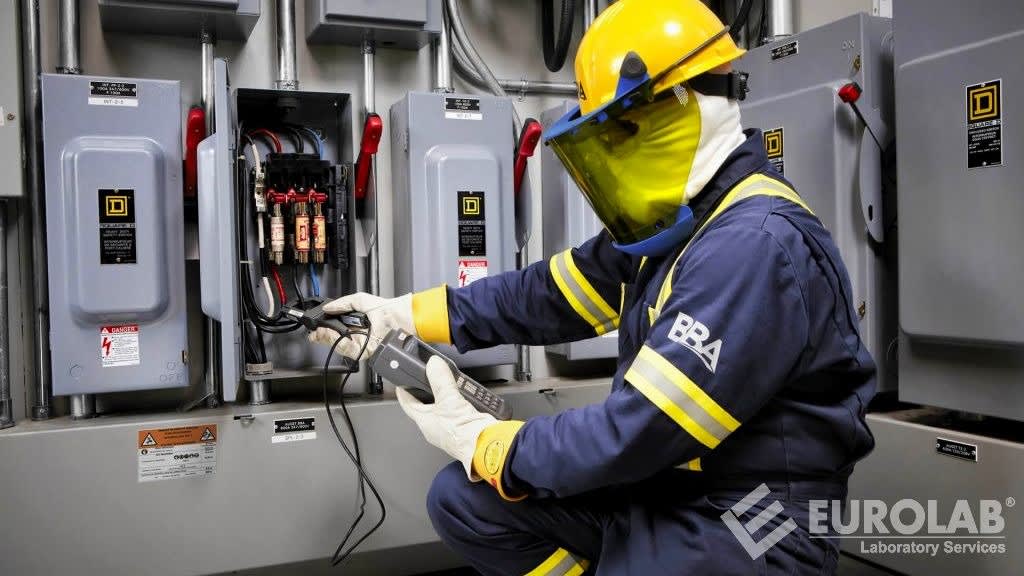
Electrical safety is crucial in both homes and workplaces to prevent hazards, ensure reliable power supply, and protect lives and property. In Maryland, where homes and workplaces face unique challenges, understanding the essentials of electrical safety can help avoid potential accidents. Whether you’re managing electrical systems in a home, office, or industrial setting, it’s vital to stay informed about the best safety practices. This comprehensive guide covers home electrical safety, safety tips, devices, common hazards, safety for children, testing, and more.
Home Electrical Safety
Ensuring home electrical safety is a responsibility every homeowner should take seriously. Electrical systems in homes, if not properly maintained or used, can lead to fires, electric shocks, and damage to household appliances. Being proactive with your home’s electrical setup and equipment can protect your family and property.
Key Electrical Safety Tips for Your Home
Here are essential electrical safety tips for your home:
- Regular Inspections: Have a licensed electrician inspect your home's electrical system regularly to identify potential hazards. Look for frayed wiring, overloaded circuits, or exposed cables.
- Proper Use of Extension Cords: Avoid overloading extension cords and ensure they are rated for the devices you plan to connect. Don’t hide cords under carpets or rugs, as this can increase the risk of overheating.
- Unplugging Appliances: Always unplug appliances and electronics when they’re not in use, especially high-wattage devices like toasters, irons, and space heaters. This not only saves energy but reduces the risk of electrical fires.
- Up-to-Date Circuit Breakers: Make sure your electrical panel has modern circuit breakers that automatically shut off the power in case of an overload. Regularly check for any tripped breakers and have them reset promptly.
Home Electrical Safety Devices to Keep You Safe
A variety of home electrical safety devices can help prevent electrical accidents and fires. Some important devices to consider include:
- Smoke Detectors: Ensure that smoke detectors are installed in key areas, such as bedrooms and hallways, and regularly test them to ensure they’re working properly.
- Ground Fault Circuit Interrupters (GFCIs): These devices are designed to shut off power if an electrical fault occurs, preventing shocks. Install them in wet areas like bathrooms, kitchens, and basements.
- Surge Protectors: Use surge protectors to prevent electrical devices from being damaged by power surges caused by lightning strikes or utility issues.
- Arc Fault Circuit Interrupters (AFCIs): AFCIs detect arcing (sparks) that can lead to fires and automatically shut down the circuit to prevent a fire from starting.
Common Electrical Safety Hazards to Watch For
It’s crucial to be aware of common electrical safety hazards that could occur in your home:
- Exposed or Frayed Wiring: Frayed or damaged wires are one of the most common causes of electrical fires. If you notice exposed wires, it’s vital to have them replaced immediately by a professional.
- Overloaded Circuits: Plugging too many appliances into a single outlet can overload the circuit, increasing the risk of overheating or fire. Use multiple outlets or a properly rated power strip.
- Water and Electricity Don’t Mix: Keep electrical devices away from water. This includes avoiding plugging in appliances with wet hands or near sinks and bathtubs.
- Old Electrical Systems: Older homes may have outdated wiring and electrical systems that don’t meet current safety standards. It’s essential to upgrade the system if necessary to ensure safety.
Electrical Safety for Kids: What You Should Teach Your Children
Electrical safety for kids should be a priority in every home. Children are naturally curious and may not fully understand the dangers of electricity. Here’s what you should teach your children to protect them:
- Avoiding Electrical Outlets: Explain to children that they should never stick objects into electrical outlets. Use outlet covers to prevent accidents.
- Handling Appliances Safely: Teach your children not to play with electrical appliances or cords. Encourage them to always ask an adult for help when using electronics.
- Recognizing Hazardous Cords: Show your children how to identify frayed or exposed cords. Encourage them to immediately tell an adult if they notice a damaged cord or plug.
- Water and Electricity: Teach your children never to touch electrical devices near water or play with electrical equipment during a storm.
Electric Fireplace Safety
Electric fireplaces can provide warmth and ambiance during the colder months, but they also pose certain safety risks. Here are some electric fireplace safety tips:
- Proper Installation: Make sure the electric fireplace is installed according to the manufacturer’s instructions. Avoid placing it near curtains, blankets, or other flammable materials.
- Use Safely: Turn off the electric fireplace when you leave the room or go to bed to prevent overheating or electrical malfunctions.
- Inspect Regularly: Regularly inspect the unit for signs of damage, wear, or overheating. If the device shows any issues, have it inspected and repaired by a professional.
Keep Kids and Pets Away: Keep children and pets at a safe distance from the electric fireplace to avoid burns or injuries.
Why Electrical Safety Testing is Crucial
Electrical systems wear out over time, and malfunctions or deterioration can cause serious safety hazards. Electrical safety testing helps identify potential issues before they become dangerous. Regular testing by a licensed electrician ensures that all systems are up to code and functioning safely.
Here’s why electrical safety testing is so important:
- Prevents Electrical Fires: Regular testing of circuits, outlets, and appliances ensures everything is functioning correctly and reduces the risk of overheating and fires.
- Maintains System Integrity: Testing can reveal wiring problems, loose connections, and faulty electrical panels that could otherwise go unnoticed until they cause significant damage.
- Protects Appliances and Electronics: Proper electrical safety testing ensures your appliances and electronics are not exposed to unsafe voltage fluctuations, preventing damage.
National Electrical Safety Month: Why It Matters
National Electrical Safety Month is an initiative to raise awareness about the importance of electrical safety in homes and workplaces. Observed every May, this month is a great time to perform a thorough inspection of your electrical systems and ensure that your home and workplace are as safe as possible.
During National Electrical Safety Month, take the time to:
- Check your smoke detectors and other safety devices.
- Schedule an electrical inspection if it’s been a while.
- Educate your family or coworkers about basic electrical safety.
Workplace Electrical Safety
In workplaces, electrical safety is just as important as it is at home, especially in environments with heavy machinery, high voltage equipment, or large-scale electrical systems. Here are a few key workplace electrical safety practices:
- Proper Training: Ensure that employees are trained on how to handle electrical equipment safely, including how to shut off power in an emergency and how to use safety equipment properly.
- Regular Inspections: Conduct routine inspections of all electrical systems and equipment to identify potential hazards.
- Emergency Procedures: Establish clear emergency procedures for dealing with electrical shocks, fires, and other electrical incidents.
- Grounding and Equipment Maintenance: Ensure that all electrical equipment is properly grounded and regularly maintained to reduce the risk of malfunctions or accidents.
For more information on electrical safety, check out this https://www.badmonkeyelectric.com/2024/10/24/electrical-safety-tips/.
Electrical Safety Tips FAQs
1. How can I prevent electrical fires in my home?
To prevent electrical fires, make sure to inspect your wiring, avoid overloading circuits, and ensure that all electrical devices are turned off when not in use. Install smoke detectors and use GFCIs where appropriate.
2. What are the signs that my electrical system needs maintenance?
Signs that your system needs attention include frequent tripped breakers, flickering lights, buzzing sounds from outlets, or burning smells. If you notice any of these, it’s time to call a professional electrician.
3. How do I know if my electrical outlets are safe?
Check for discoloration, cracks, or scorch marks around outlets. If your outlets feel warm to the touch or if plugs don’t fit securely, these are signs of a potential hazard.
4. Are electrical safety devices required by law in Maryland?
Certain electrical safety devices, such as smoke detectors, GFCIs, and AFCIs, are required by Maryland building codes for homes and businesses. Make sure your home or workplace is up to code by consulting a licensed electrician.
Conclusion
Electrical safety is essential for protecting your family, employees, and property. By understanding home electrical safety, using the right safety devices, being aware of common hazards, and staying up to date on maintenance and safety practices, you can minimize the risks associated with electricity. Whether at home or at work, prioritizing electrical safety can help prevent accidents and ensure that your electrical systems function efficiently and reliably.
Visit Vocal.Media
About the Creator
Bad Monkey Electric
Bad Monkey Electric builds lasting relationships as your trusted 24/7 electricians in Maryland.
Address: 1393 Progress Way Suite 911, Eldersburg, MD 21784, United States
Contact us : +1 410-616-0008
Email: [email protected]
Keep reading
More stories from Bad Monkey Electric and writers in Humans and other communities.
Generac Generators: A Complete Guide to Costs, Installation, and Maintenance
In today’s world, power outages can disrupt daily life and cause significant inconvenience. Whether it’s a storm, natural disaster, or an issue with the power grid, a reliable backup generator can ensure you stay powered during such times. Generac generators are among the most trusted solutions for residential and commercial power backup. In this comprehensive guide, we’ll explain the different types of Generac generators, their costs, the installation process, and the maintenance required to keep them running efficiently.
By Bad Monkey Electricabout a year ago in Education
How To Break Negative Dating Patterns And Attract Healthier Relationships
Such negative patterns of dating are likely to emerge when people encounter the same or similar relationship difficulties. Such patterns can be the selection of emotionally unavailable partners, poor communication, and the maintenance of unhealthy relationships too long. Awareness of such repetitive actions is the initial move towards making significant transformation in romantic life.
By Mark Hipster3 days ago in Humans




Comments
There are no comments for this story
Be the first to respond and start the conversation.