
Common Myths About Gallbladder Surgery
Separating Fact from Fiction: Understanding Gallbladder Surgery

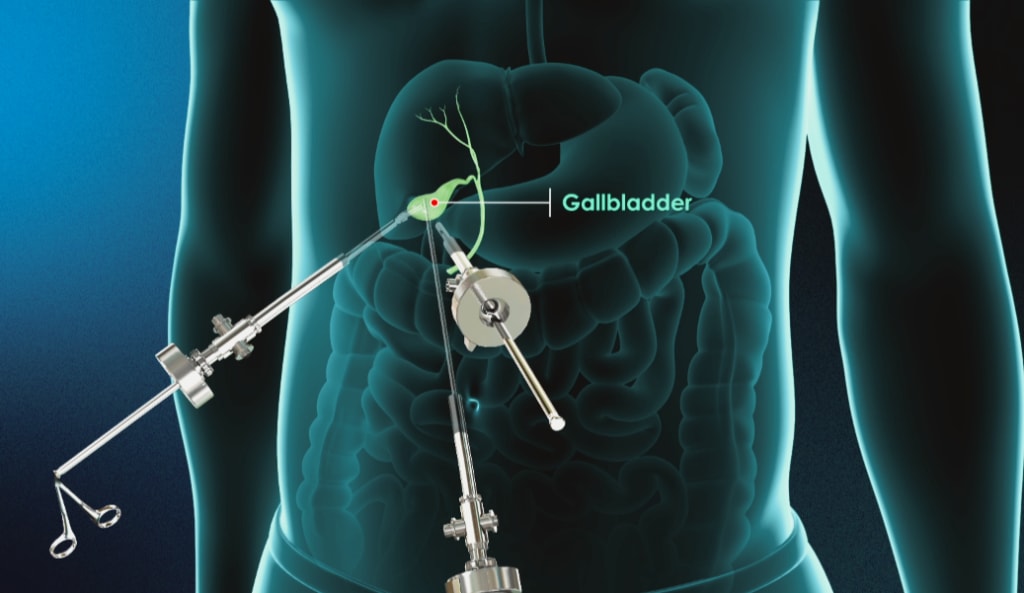
Gallbladder surgery is one of the most common procedures performed worldwide. Despite its frequency, numerous misconceptions surround it, leaving patients confused and anxious. This blog will debunk these myths and provide you with accurate, clear, and actionable information about gallbladder surgery.
What Is Gallbladder Surgery?
Gallbladder surgery, also known as cholecystectomy, involves the removal of the gallbladder. It is often recommended for individuals suffering from gallstones, gallbladder infections, or other related complications. The surgery can be performed through two main methods:
• Laparoscopic surgery: A minimally invasive procedure with smaller incisions and quicker recovery time.
• Open surgery: A traditional method used in complex cases requiring larger incisions.
Now, let’s explore the myths surrounding this procedure and uncover the facts.
Myth 1: Gallbladder Surgery Is Extremely Risky
One common myth is that gallbladder surgery poses significant risks. However, the truth is that it is a safe and routine procedure when performed by an experienced surgeon. Advances in medical technology have further minimized complications.
• Fact: Laparoscopic gallbladder surgery has a high success rate and shorter recovery time.
• Reality: The risks are minimal when compared to leaving gallstones untreated, which can lead to severe complications like infections or pancreatitis.
Myth 2: Life After Gallbladder Surgery Is Difficult
Many believe that life changes dramatically after gallbladder surgery, particularly concerning digestion. While adjustments are necessary, the impact is often exaggerated.
• Fact: Most people resume normal activities within a few weeks of surgery.
• Reality: Your liver takes over bile production, ensuring normal digestion without the gallbladder. Adopting a healthy diet can ease the transition.
Myth 3: Surgery Is the Only Solution for Gallstones
Patients often think surgery is inevitable if they have gallstones. While it’s true that surgery is the most effective treatment in many cases, alternatives may exist for asymptomatic gallstones.
• Fact: Not all gallstones require removal.
• Reality: If gallstones are asymptomatic, doctors may recommend regular monitoring instead of immediate surgery.
Myth 4: Recovery Takes Months
The idea that recovery from gallbladder surgery takes a long time is outdated. Thanks to laparoscopic techniques, patients can return to normal routines much faster.
• Fact: Recovery from laparoscopic surgery typically takes about 1-2 weeks.
• Reality: Following your doctor’s post-operative guidelines ensures a smoother recovery.
Myth 5: Gallbladder Surgery Causes Permanent Digestive Problems
Some people fear long-term digestive issues after gallbladder removal. While initial dietary changes are common, the long-term impact is usually minor.
• Fact: Most patients adapt to their new digestive system within weeks or months.
• Reality: Avoiding fatty and spicy foods during the recovery phase can help manage temporary digestive discomfort.
How to Prepare for Gallbladder Surgery
Proper preparation can ease anxiety and improve outcomes. Here are some tips:
• Discuss your medical history with your doctor.
• Follow the pre-surgery dietary guidelines.
• Arrange for help at home during the initial recovery phase.
• Stay informed about the procedure to eliminate unnecessary fears.
What to Expect After Gallbladder Surgery
After surgery, you can expect:
• Immediate Recovery: Most patients are discharged within a day or two after laparoscopic surgery.
• Mild Discomfort: Some pain or bloating is normal but manageable with medication.
• Dietary Adjustments: You may need to follow a low-fat diet initially.
• Follow-Up Appointments: Regular check-ups ensure proper healing.
FAQs About Gallbladder Surgery
1. What are the symptoms indicating gallbladder surgery is needed?
Symptoms include severe abdominal pain, nausea, vomiting, fever, and jaundice. If these symptoms occur, consult a doctor immediately.
2. How long does gallbladder surgery take?
Laparoscopic gallbladder surgery typically takes 1-2 hours. However, open surgery may take longer depending on the complexity of the case.
3. Can I live a normal life without a gallbladder?
Yes, you can live a healthy and normal life without a gallbladder. The liver compensates for the gallbladder’s function by releasing bile directly into the intestine.
4. Are there any dietary restrictions after surgery?
Initially, you may need to avoid high-fat and spicy foods. Gradually, you can reintroduce a varied diet as your digestive system adapts.
5. Is gallbladder surgery painful?
While some discomfort is expected, advancements in surgical techniques and pain management minimize pain significantly.
Summary
Gallbladder surgery is a safe and effective procedure that alleviates pain and prevents complications caused by gallstones. By debunking common myths, we hope this blog provides clarity and eases any concerns you might have about the surgery.
Conclusion
Don’t let misconceptions about gallbladder surgery prevent you from seeking necessary treatment. Understanding the facts ensures informed decisions and better outcomes. If you suspect gallbladder issues, consult a specialist promptly. Remember, timely intervention can make all the difference in improving your quality of life.
About the Creator
Dr.Manish Kulshrestha
Leading the way in robotic surgery in Delhi, Dr. Manish Kulshrestha offers state-of-the-art robotic-assisted procedures for various surgical conditions.
Keep reading
More stories from Dr.Manish Kulshrestha and writers in Humans and other communities.
What Are the Symptoms of Hernia in Females? Causes, Diagnosis & Treatment
While hernias can affect anyone, their presentation in females often differs, making awareness crucial. In this blog, we explore what are the symptoms of hernia in females, the causes, and available treatments.
By Dr.Manish Kulshrestha10 months ago in Humans
Time to change your life.
Is it even possible for you to change your life? A lot of people, more than there should be, are unhappy with their lives. But what are they doing about it? Usually nothing. People talk about how shitty their lives are and want change, but are they not taking the actions to change?
By Jen Phillips4 days ago in Humans
The Epstein Files: The Story the World Refuses to Forget.
In recent weeks, the name Jeffrey Epstein has once again taken over global media. Headlines, debates, and social platforms are filled with discussions about the Epstein Files—a collection of court documents and investigation records that continue to expose one of the darkest scandals involving power, wealth, and silence.
By Voxwrite ✍️ 2 days ago in Humans
Off the Book
It ended like every other stupid idea. Badly, and alone. I’m researching digital confession ethics, he said. A tech ethicist. He gestured at floating data I couldn’t see then pulled out a physical notebook. Actual paper, fountain pen. He held it up like he was showing me scripture.
By Nicky Frankly5 days ago in Fiction


Comments
There are no comments for this story
Be the first to respond and start the conversation.