
Colorado Supreme Court bans Trump from the state’s ballot under Constitution’s insurrection clause
Donald Trump


The landmark ruling by the Colorado Supreme Court on December 19, 2023, has sent shockwaves through the political landscape, marking the first time in history that Section 3 of the 14th Amendment has been invoked to disqualify a presidential candidate. The court, comprising justices appointed by Democratic governors, voted 4–3 to bar former President Donald Trump from the state's presidential primary ballot, citing the insurrection clause.
This unprecedented decision stems from a previous ruling by a district court judge who found Trump culpable of inciting the January 6, 2021, Capitol attack. Despite acknowledging the incitement, the district court judge allowed Trump to remain on the ballot, raising questions about the applicability of Section 3 to presidential candidates.
Section 3 of the 14th Amendment, originally designed to prevent former Confederates from holding office after the Civil War, disqualifies individuals who, after taking an oath to support the Constitution, engage in insurrection or rebellion against it. The Colorado case has become a pivotal moment in the ongoing legal battles surrounding Trump, as it challenges the conventional understanding of the insurrection clause and its application to presidential candidates.
The Colorado Supreme Court's decision has potential ramifications beyond the state's borders. While Trump did not carry Colorado in the 2020 election and lost by a significant margin, the concern arises that other states might follow suit, potentially excluding him from crucial battlegrounds in future elections.
The legal landscape surrounding this case is complex and multifaceted. The court's ruling is currently stayed until January 4 or until the U.S. Supreme Court weighs in on the matter. Trump's legal team has expressed intentions to appeal, underscoring the significance of the case in determining the trajectory of the former president's political future.
The crux of the legal dispute lies in the interpretation of Section 3 and its application to presidential candidates. Historically, this provision was aimed at barring individuals who had sworn allegiance to the Constitution and later engaged in insurrection or rebellion. The Colorado case marks the first successful attempt to disqualify a presidential candidate under this constitutional provision.
This legal precedent sets the stage for a potential showdown in the nation's highest court. If the U.S. Supreme Court upholds the Colorado decision, it could reshape the eligibility criteria for presidential candidates across the country. On the other hand, if the decision is overturned, it may establish a precedent for the limits of the insurrection clause in the context of presidential elections.
The timing of the Colorado Supreme Court's decision adds another layer of complexity to the unfolding legal drama. With the ruling stayed until January 4 and the U.S. Supreme Court's decision pending, the state officials aim to resolve the matter by January 5, the deadline for printing presidential primary ballots. This tight deadline underscores the urgency of the legal proceedings and highlights the potential impact on the electoral process.
The Colorado case is not an isolated incident; it is part of a broader national trend where lawsuits seeking to disqualify Trump under Section 3 of the 14th Amendment have been filed across the country. The outcome of this case could set a precedent for similar legal challenges, shaping the future landscape of presidential eligibility and accountability.
In conclusion, the Colorado Supreme Court's groundbreaking decision to disqualify Donald Trump from the state's presidential primary ballot under the insurrection clause has thrust the nation into uncharted legal territory. The implications of this ruling extend beyond Colorado, impacting the trajectory of Trump's political career and potentially reshaping the criteria for presidential candidacy nationwide. As the legal battle unfolds, all eyes are on the U.S. Supreme Court, where the fate of this unprecedented case will be ultimately decided, leaving an indelible mark on the intersection of constitutional law and presidential politics.
About the Creator
maaz abbasi
"Diving into the pulse of U.S. trends! 📝🌐 Explore insightful commentary on current affairs, where every word sparks dialogue. Join me in unraveling the stories that shape our narrative. 🚀 #WordsMatter #TrendingThoughts #MediaMinds"
Keep reading
More stories from maaz abbasi and writers in Humans and other communities.
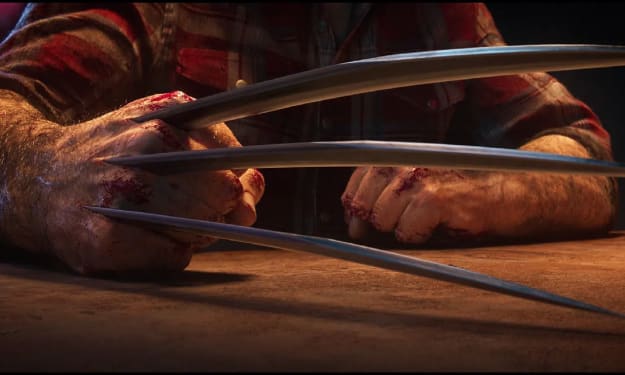
What We Know About 'Marvel's Wolverine' PS5 Game: Release Date, Gameplay And Voice Cast
Hero fans searching for an activity pressed awesome experience on the PS5 stage have to a great extent been limited to Sleep deprived person's Bug Man games throughout the course of recent years. There's almost nothing else on the table that is as energizing, both with regards to the plot and interactivity experience.
By maaz abbasi2 years ago in Writers
A Pachelbel Canon Night
When I was writing my first book, the world around me was asleep, and I was awake in the wonder of the light. Every guidance was in the nuance of the living form. I had a house then and not much else, but I had a room for which to grow and live, and everything else was a beam of light to see by. I lived in prayer, in meditation, and there was no radical transformation. It was more of a sifting and taking it all in.
By Canuck Scriber Lisa Lachapelle25 days ago in Humans


Comments
There are no comments for this story
Be the first to respond and start the conversation.