
Clay Masks vs. Cream Masks: Which One is Right for Your Skin Type?
Which One is Right for Your Skin Type? Clay Masks vs. Cream Masks
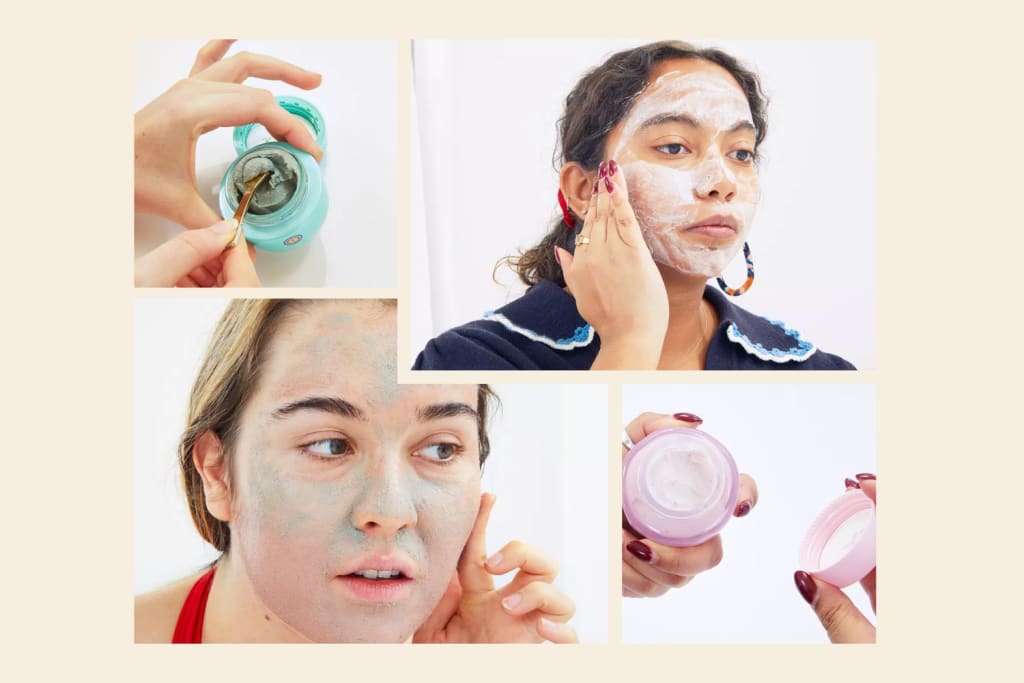
In the ever-evolving world of skincare, face masks remain a staple for anyone looking to pamper their skin while targeting specific concerns. Two of the most popular types of masks—clay masks and cream masks—often sit on opposite ends of the skincare spectrum. Each offers distinct benefits and caters to different skin types and needs. But how do you decide which one is right for your skin?
Let’s break down the key differences between these two popular types of masks, explore which works best for various skin types, and how to maximize their results with the best facial cleanser and best face serum to complement your masking routine.
What Are Clay Masks?
Clay masks are typically made from natural clays such as bentonite, kaolin, or French green clay. These ingredients are celebrated for their oil-absorbing, detoxifying, and mattifying properties. Clay masks work by drawing out impurities from deep within the pores, reducing excess sebum, and refining the skin’s texture.
Best For:
- Oily Skin
- Acne-Prone Skin
- Combination Skin (especially in the T-zone)
Benefits:
- Deeply cleanses pores
- Removes blackheads and excess oil
- Reduces breakouts and shine
- Provides a natural matte finish
Things to Watch Out For:
Clay masks can be drying, especially if left on too long. It's important to monitor how your skin feels during use. If your skin starts to feel tight or overly dry, it’s time to rinse.
What Are Cream Masks?
Cream masks, on the other hand, are rich and hydrating. Often infused with emollients, oils, and soothing ingredients like hyaluronic acid, ceramides, aloe vera, or peptides, cream masks are designed to nourish, calm, and replenish the skin.
Best For:
- Dry Skin
- Sensitive Skin
- Mature Skin
Benefits:
- Deep hydration and moisturization
- Soothes redness and irritation
- Helps repair skin barrier
- Plumps and smoothens skin texture
Things to Watch Out For:
Those with oily or acne-prone skin may find some cream masks too heavy or pore-clogging. Always check the ingredient list for comedogenic components if your skin is prone to breakouts.
Skin Type Guide: Which Mask Should You Choose?
To find your perfect mask match, it’s essential to first identify your skin type. Here’s a quick guide:
1. Oily Skin
Go for: Clay Masks
Clay masks help regulate oil production and prevent clogged pores, which can lead to breakouts. A kaolin-based clay mask is a gentle option, while bentonite offers a stronger detoxifying effect.
2. Dry Skin
Go for: Cream Masks
Your skin needs hydration and nourishment. Cream masks packed with hyaluronic acid or shea butter will deeply moisturize and restore skin suppleness.
3. Combination Skin
Go for: Multi-masking or Clay Masks on T-zone
Combination skin benefits from a hybrid approach. Apply a clay mask on the oily T-zone and a cream mask on the cheeks. This ensures each area gets targeted care.
4. Sensitive Skin
Go for: Gentle Cream Masks
Look for calming ingredients like aloe vera, chamomile, or calendula. Avoid heavily fragranced or alcohol-based masks.
5. Mature Skin
Go for: Anti-aging Cream Masks
Cream masks with peptides, collagen, or retinol derivatives are great for improving skin elasticity and reducing the appearance of fine lines.
How Often Should You Use a Face Mask?
Clay masks: 1–2 times a week is usually enough, especially if you have oily or acne-prone skin.
Cream masks: Can be used 2–3 times a week or even daily, depending on your skin’s hydration needs.
Consistency is key, but overuse can lead to irritation or barrier damage, especially with clay masks.
How to Maximize the Effectiveness of Your Mask
1. Start with a Clean Canvas
Always begin your skincare routine with the best facial cleanser suited to your skin type. A gentle yet effective cleanser ensures your mask penetrates better and isn't sitting on top of dirt or makeup residue.
Look for a sulfate-free, pH-balanced cleanser that doesn’t strip the skin. For example, gel cleansers work great for oily skin, while creamy or oil-based cleansers are perfect for dry and sensitive skin types.
2. Apply the Mask Evenly
Use a clean brush or your fingers to apply the mask in an even layer. Avoid getting too close to the eyes unless the mask is specifically formulated for that area.
3. Rinse Thoroughly and Gently
For clay masks, don’t wait for them to become bone-dry. Rinse when they start to feel semi-dry to prevent over-drying your skin. For cream masks, wipe off any excess gently with a soft cloth or rinse off with lukewarm water.
4. Follow Up with a Serum
After rinsing off your mask, your skin is in prime condition to absorb active ingredients. Apply the best face serum for your specific concerns—be it hydration, brightening, or anti-aging.
Hydrating serums with hyaluronic acid are ideal after clay masks, while antioxidant-rich or peptide serums complement cream masks beautifully. Don’t forget to seal it all in with a good moisturizer.
Can You Use Both?
Absolutely! Many skincare routines benefit from alternating between clay and cream masks based on your skin’s needs that day. For example, if you’ve been outdoors in pollution or heavy makeup, a clay mask can detox your skin. If your skin feels dry or irritated, opt for a cream mask.
This method, often referred to as multi-masking, is especially effective for combination skin types or during seasonal changes.
Final Thoughts
Choosing between a clay mask and a cream mask ultimately comes down to your skin type, concerns, and goals. If you’re battling excess oil and clogged pores, a clay mask might be your best friend. If your skin is craving hydration and nourishment, a cream mask will come to the rescue.
No matter which mask you choose, always prep your skin with the best facial cleanser and follow up with the best face serum to enhance and maintain your results. Skincare isn’t one-size-fits-all, and the beauty of it lies in tailoring your routine to what your skin needs most.
About the Creator
Keep reading
More stories from abdulshariq and writers in Humans and other communities.
How to Build a Clean Beauty Routine with Old School Rituals Products
In a beauty world dominated by high-tech serums and overnight transformations, there’s something refreshing—almost grounding—about returning to basics. Clean beauty, rooted in simplicity and natural ingredients, is more than a trend; it’s a movement toward conscious living. And when clean beauty meets time-honored practices, the result is a routine that nurtures both your skin and soul.
By abdulshariq8 months ago in Humans
So You Decided To Become a Nurse Practitioner:
So you decided to become an "Advanced Practice" nurse. Congratulations!... is what I would say if this was a good idea. Grad school? In this economy? What were you thinking? Likely it was something along the lines of either 1) “I've seen these other chucklefucks do it— Why can't I?” or even 2) “I've got a nice career, I should shake it up. I miss feeling like I have no clue what I'm doing.”
By Sandor Szaboa day ago in Fiction



Comments
There are no comments for this story
Be the first to respond and start the conversation.