
CLASS SYSTEM IN SOCIETY
The Structure and Dynamics of Social Class.


A class system in society refers to the hierarchical arrangement of individuals or groups based on various factors like wealth, education, occupation, social status, and power. Class systems are deeply embedded in both historical and contemporary societies, influencing people’s access to resources, opportunities, and rights. Class structures shape social dynamics, create divisions, and affect the ways people experience life, including their health, education, and employment prospects.
Understanding Social Class
Social class is often categorized into distinct groups, each associated with certain socioeconomic characteristics. These groups are typically stratified based on income, occupation, education, and wealth, which determine an individual’s access to opportunities and privileges. The most common classes in a typical society are:-
Upper Class:-
The upper class typically consists of individuals with significant wealth, high status, and power. Members of this class often control large portions of resources, such as land, capital, or businesses. They tend to have access to prestigious educational institutions, and their occupations are usually in leadership roles or ownership positions (e.g., CEOs, politicians, aristocrats).
Middle Class:-
The middle class is often seen as the backbone of society, consisting of professionals, small business owners, and skilled workers. They usually have a reasonable standard of living, with access to education, healthcare, and decent housing. Within the middle class, there is often further stratification into upper-middle class (e.g., doctors, lawyers, senior managers) and lower-middle class (e.g., office workers, teachers, technicians).
Working Class:-
The working class includes individuals employed in manual labor, service industries, and lower-paying skilled trades. Working-class individuals often work in factories, retail, construction, and other service-oriented industries. They typically have less job security, lower wages, and limited access to higher education, which restricts upward mobility.
Lower Class/Underclass:-
The lower class or underclass includes people who live in poverty, often relying on government assistance or low-wage, insecure employment. They may lack access to education and healthcare, and often live in marginalized communities with limited social mobility. The underclass faces a range of disadvantages, such as homelessness, unemployment, and incarceration.
Factors Influencing Class Systems
Wealth and Income:-
Wealth accumulation is a significant determinant of social class. The amount of disposable income, property ownership, and overall net worth define a person’s class status. People in higher social classes typically have access to larger sums of wealth, which they can use for investment, education, and luxury consumption, perpetuating their social status.
Education:-
Education is a crucial factor in determining one’s position within the class system. Higher education levels generally correlate with higher-paying jobs, better job security, and increased social mobility. Conversely, limited access to education can restrict upward mobility and keep individuals in lower social classes.
Occupation:-
Occupation is directly linked to social class. High-status jobs (e.g., executives, doctors, professors) place individuals in the upper classes, while manual labor or low-skill service jobs typically place people in the working class. Occupations often reflect an individual’s level of education, training, and income potential.
Cultural Capital:-
Cultural capital refers to the knowledge, skills, tastes, and behaviors that are valued by society, especially by those in higher social classes. People with cultural capital have the social networks, language proficiency, and cultural knowledge that enable them to navigate elite spaces, secure better job opportunities, and maintain high social status.
Implications of Social Class
Social Mobility:-
The extent to which individuals can move between different social classes is referred to as social mobility. In many societies, class mobility is a central aspect of the ideal of equality, yet in reality, many class systems are rigid, making it difficult for individuals in lower classes to ascend the social ladder. Barriers such as discrimination, lack of access to quality education, and unequal economic opportunities limit mobility.
Health Inequality:-
People in higher social classes generally enjoy better health outcomes due to greater access to healthcare, healthier lifestyles, and less exposure to environmental risks. Conversely, individuals in lower classes face higher rates of chronic illness, mental health issues, and shorter life expectancy due to factors like inadequate healthcare, poor nutrition, and stressful living conditions.
Cultural and Social Isolation:-
Class divisions often lead to social and cultural isolation. People from different classes may have little interaction with each other, creating distinct cultural and social spheres. This isolation can perpetuate stereotypes, hinder understanding, and maintain class distinctions.
Political Influence:-
Higher social classes often have greater political influence due to their wealth, networks, and access to decision-makers. This political power enables them to shape policies and legislation in their favor, perpetuating social inequalities. In contrast, lower social classes may have less representation and voice in political processes.
Social Class and Globalization
In a globalized world, class systems are increasingly shaped by global economic dynamics. For example, the rise of multinational corporations, international trade, and technological advancements has led to the concentration of wealth in certain sectors and regions, widening the gap between the wealthy elite and the working poor. Globalization also creates new opportunities for upward mobility, especially in developing countries, but it often exacerbates income inequality as local economies struggle to compete with global markets.
Conclusion
Class systems continue to be a defining feature of social life, influencing not only economic outcomes but also social and cultural experiences. While some countries have made strides in reducing class disparities through policies like education reforms and social welfare programs, significant inequalities remain. Achieving greater social mobility and fairness requires addressing the structural barriers that perpetuate class divisions and promoting policies that offer equal opportunities to all individuals, regardless of their socioeconomic background.
About the Creator
Badhan Sen
Myself Badhan, I am a professional writer.I like to share some stories with my friends.
Keep reading
More stories from Badhan Sen and writers in Humans and other communities.
SOCIAL NORMS AND VALUES
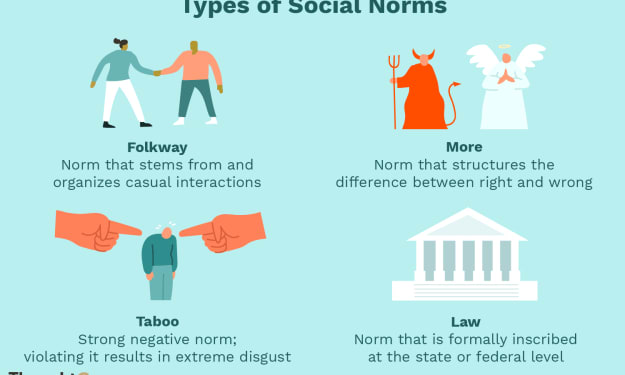
Social Norms and Values Social norms and values are the cornerstones of human behavior and societal organization. These unwritten rules and shared beliefs guide interactions, promote order, and maintain the fabric of communities. While norms dictate acceptable behaviors, values represent the deeper principles that societies hold dear, influencing laws, traditions, and interpersonal relationships.
By Badhan Senabout a year ago in Humans
How to Find the Right Day Treatment Program in Your Area
Finding the right level of mental health or addiction care can feel overwhelming, especially when outpatient therapy isn’t enough but inpatient treatment seems too intensive. This is where day treatment programs, often called Partial Hospitalization Programs (PHPs), play an important role. These programs provide structured, comprehensive care during the day while allowing individuals to return home in the evening.
By Jordan Blake7 days ago in Humans



Comments (1)
Another great article that could be used in a Human diversity class or even a Human geography class.