
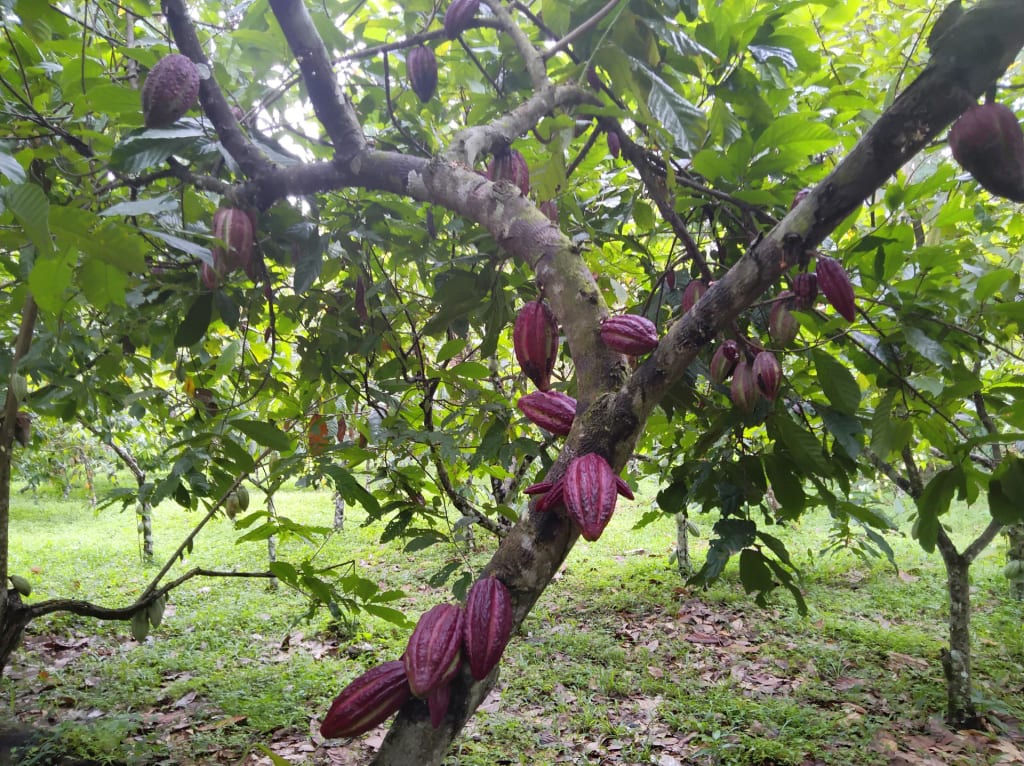
The Chocolate Tree: From Rainforest to Your Favorite Treat
The chocolate tree, scientifically known as *Theobroma cacao*, is the source of one of the world’s most beloved treats: chocolate. Native to the tropical rainforests of Central and South America, this extraordinary tree has been cherished for centuries for its rich, flavorful seeds, which are processed into chocolate.
Origins and History
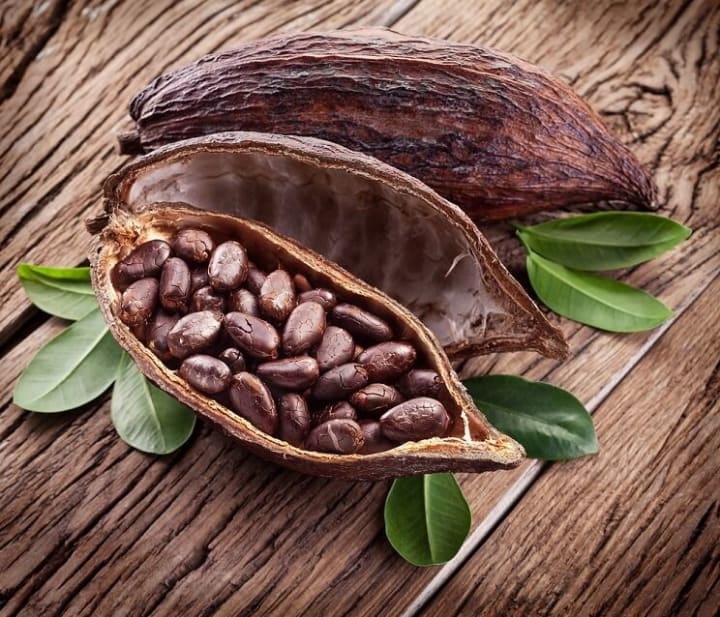
The history of the chocolate tree dates back to ancient civilizations. The Mayans and Aztecs were among the first to cultivate cacao trees. They prized the cacao beans not only for their use in a bitter beverage but also as a form of currency and a symbol of wealth and status. The Mayans mixed ground cacao beans with water, chili peppers, and other spices to create a frothy, spicy drink. The Aztecs, on the other hand, preferred a similar drink but added vanilla and other flavorings.
When European explorers arrived in the Americas, they encountered this unique beverage and brought it back to Europe. Initially enjoyed as a luxury among the wealthy, the drink eventually became more widely accessible, leading to the development of solid chocolate products as we know them today.
The Cacao Tree and Its Pods
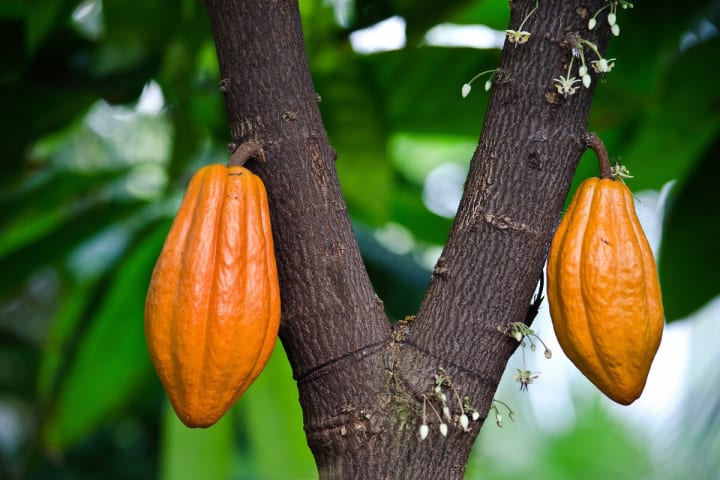
The cacao tree is a small, evergreen tree that thrives in humid, tropical climates. It typically grows between 12 to 25 feet tall. The tree bears fruit in the form of large, colorful pods that hang directly from the trunk and larger branches. Each pod contains a sweet, tangy pulp and 20 to 50 seeds, known as cacao beans.
The process of transforming cacao beans into chocolate involves several steps:
1. Harvesting: Cacao pods are harvested by hand, usually using a machete. The pods are carefully cut from the tree and opened to reveal the beans inside.
2. Fermentation: The beans, along with the surrounding pulp, are placed in shallow containers and left to ferment for several days. This fermentation process is crucial for developing the beans' complex flavors.
3. Drying: After fermentation, the beans are spread out under the sun to dry. Proper drying is essential to prevent mold growth and to preserve the beans' quality.
4. Roasting: Once dried, the beans are roasted to bring out their chocolate flavor. The roasting time and temperature can vary, influencing the final taste of the chocolate.
5. Grinding: The roasted beans are cracked open to remove the outer shell, leaving behind nibs. These nibs are ground into a paste called chocolate liquor or cocoa mass. This paste can be further processed to separate cocoa solids from cocoa butter.
6. Processing: The chocolate liquor is blended with cocoa butter, sugar, milk powder, and other ingredients to create various chocolate products, such as dark, milk, or white chocolate.
Ecological Importance
The cacao tree plays a vital role in its native ecosystem. It provides food and habitat for numerous species of insects, birds, and mammals. The tree’s dense foliage helps maintain the forest canopy, which is crucial for regulating the rainforest’s microclimate and preserving biodiversity.
However, cacao cultivation faces challenges, including deforestation, climate change, and social issues related to labor practices. Sustainable farming practices and fair trade initiatives are important for ensuring the long-term health of cacao-growing regions and improving the lives of those who cultivate this precious crop.
Conclusion
The chocolate tree is more than just a source of delicious chocolate; it is a symbol of ancient cultural traditions, a key player in tropical ecosystems, and a critical component of global agriculture. As we enjoy the rich flavors of chocolate, it’s worth remembering the remarkable journey from the rainforest to our confectionery delights and the importance of supporting sustainable and ethical practices in cacao production.
About the Creator
The CEO of Everything
They say "jack of all trades, master of none," but they forgot to mention the part where the jack of all trades is also the camera woman, the makeup artist, and the person currently yelling at a tangled Wii microphone cable in a her own bathroom while recording herself singing and trying to make it look realistic and professional. (As professional as you can make it with nothing but a cell phone camera and a mic that doesn't work)
By Sara Wilson6 days ago in Humans



Comments