
Chili's of Peru

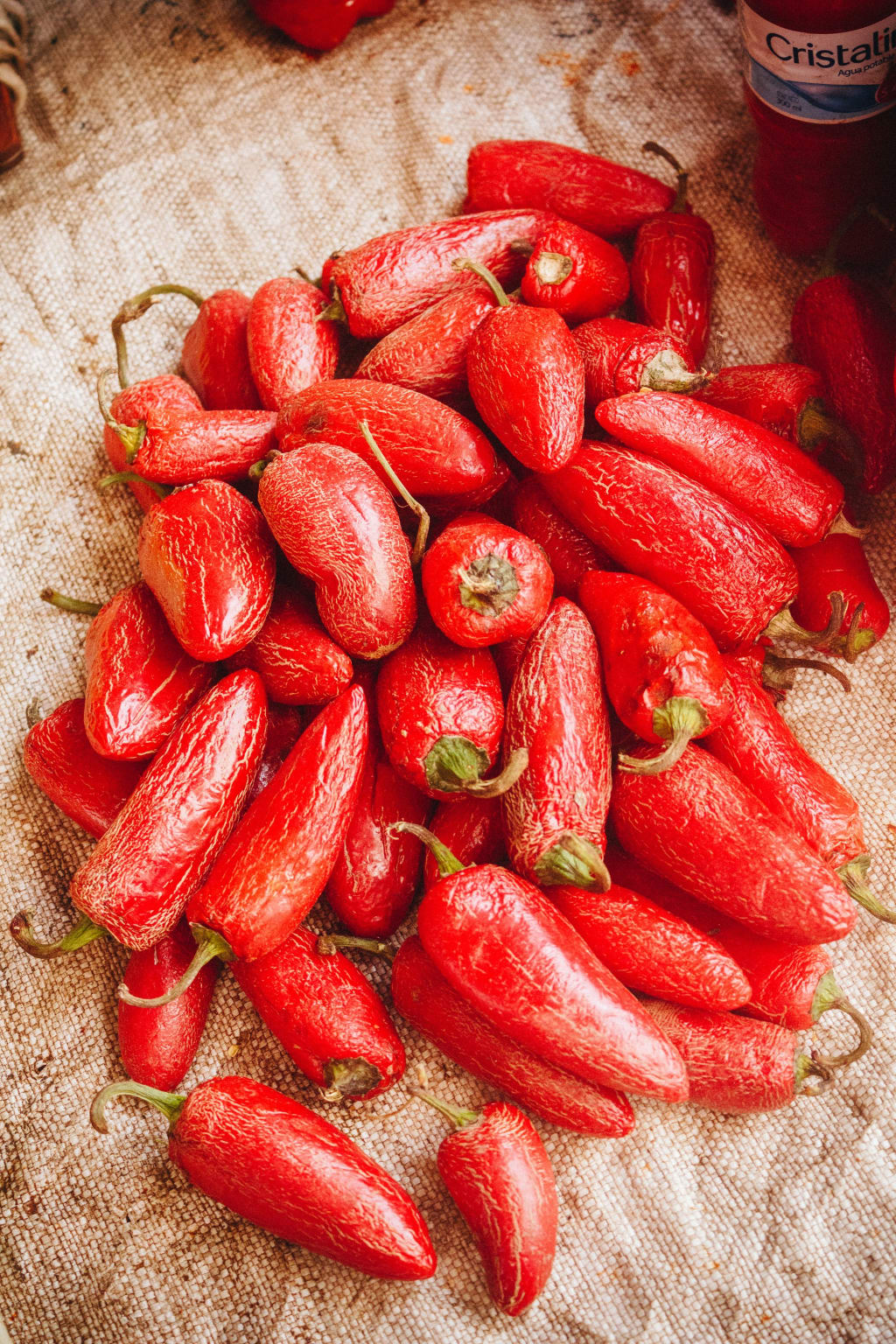
Peru’s ajíes are the backbone of its cuisine, painting the coast, Andes, and Amazon with color, aroma, and heat. From the fruity brightness of ají amarillo to the smoky depth of ají panca and the piercing fire of rocoto, each pepper offers a distinct personality. Understanding their heat isn’t just about Scoville numbers—it’s about how that heat feels, how it interacts with acidity and fat, and how it transforms through drying, toasting, and cooking.
How heat is measured and why it varies
- Scoville Heat Units (SHU) quantify capsaicin. The same variety can show different SHU depending on terroir, maturity, stress, and whether it’s fresh or dried.
- “Heat ratios” here compare a pepper’s SHU to a typical jalapeño at 5,000 SHU. Example: 25,000 SHU ≈ 5× a jalapeño.
- Drying concentrates flavor and perceived heat; toasting can amplify aroma and slightly accent bitterness.
- Removing seeds and, especially, the white placenta reduces burn most; pith holds the highest capsaicin.
Key Peruvian chiles and their heat ratios
Ají Amarillo (Capsicum baccatum)
- Heat: ~15,000–50,000 SHU; ratio: 3–10× jalapeño.
- Flavor: Fruity, floral, sunshiny; evokes passionfruit and mango.
- Forms: Fresh (golden), paste, or as ají mirasol when dried.
- Uses: Causa, papa a la huancaína, escabeches, anticuchos, arroz con pollo. It’s the soul of many coastal and highland sauces.
Ají Mirasol (dried Ají Amarillo)
- Heat: ~20,000–60,000 SHU; ratio: 4–12×.
- Flavor: Concentrated amarillo: honeyed, aromatic, slightly tannic, with a gentle bitterness that loves slow braises.
- Uses: Adobos, chupes, ocopa-style sauces (often paired with herbs like huacatay), stews where depth matters.
- Note: Soak, deseed, and blend; toasting briefly adds perfume.
Ají Panca (often dried; Capsicum chinense/baccatum landraces)
- Heat: ~1,000–1,500 SHU; ratio: 0.2–0.3×.
- Flavor: Raisiny, cocoa, mild smoke; more sweet than hot.
- Uses: Marinades for anticuchos and pollo a la brasa, carapulcra, adobo sauces, seafood stews. A foundational “red” without overwhelming spice.
- Tip: Excellent for layering with a hotter chile like amarillo or limo.
Rocoto (Capsicum pubescens)
- Heat: ~30,000–100,000 SHU; ratio: 6–20×.
- Flavor: Crisp, apple-like flesh, herbal; black seeds are iconic.
- Uses: Rocoto relleno, uchucutas (Andean salsas), table sauces; its thick walls stand up to baking and stuffing.
- Note: Heat can be fierce; blanching and removing pith moderates it significantly.
Ají Limo (Capsicum chinense)
- Heat: ~30,000–100,000 SHU; ratio: 6–20×.
- Flavor: Citrusy, perfumed, intense nose; think habanero’s aroma with coastal brightness.
- Uses: Classic ceviche and tiraditos; a few thin slices or minced drops perfume the entire dish.
- Tip: Add at the end to preserve aroma; acidity from lime focuses the burn.
Ají Charapita (Amazonian, C. chinense)
- Heat: ~30,000–100,000 SHU; ratio: 6–20×.
- Flavor: Tiny, golden pearls exploding with tropical perfume; clean, quick burn.
- Uses: Jungle stews, table salsas, finishing oil infusions; prized by chefs for both punch and presentation.
- Note: Small size belies potency; start sparingly.
Ají Mochero (northern coastal heirloom, C. chinense)
- Heat: ~30,000–50,000 SHU; ratio: 6–10×.
- Flavor: Highly aromatic, citrus-floral with a sweet edge; historic Trujillo–Moche valley cultivar.
- Uses: Northern-style ceviches, leche de tigre, marinades; a benchmark for perfume-forward heat.
Ají Arnaucho (Arequipa)
- Heat: ~10,000–30,000 SHU; ratio: 2–6×.
- Flavor: Fruity with a gentle smokiness; often used dried or in pastes.
- Uses: Southern Peruvian sauces and picantería dishes, sometimes in ocopa variations and adobos.
- Note: Great intermediate heat when amarillo seems too hot and panca too mild.
Ají Cusqueño (highland baccatum types)
- Heat: ~5,000–20,000 SHU; ratio: 1–4×.
- Flavor: Bright, crisp, vegetal-fruity; versatile.
- Uses: Highland salsas, stews, and daily cooking; friendly heat with clear chile character.
Ají Paprika Peruana (Peruvian paprika)
- Heat: ~250–1,000 SHU; ratio: 0.05–0.2×.
- Flavor: Sweet, peppery, sometimes smoky; mostly for color and body.
- Uses: Color-rich pastes, rubs, and sofritos; pairs with panca for mild, sweet profiles.
Ají Dulce Peruano (sweet chinense types)
- Heat: 0–500 SHU; ratio: 0–0.1×.
- Flavor: Chinense aroma with almost no burn—floral, fruity, complex.
- Uses: Sofritos, aromatics in ceviche marinades when you want fragrance without fire.
Context, combinations, and cooking effects
- Regional palettes:
- Coast: Citrus-forward heat. Ají limo and mochero in ceviche; amarillo for creamy sauces; panca in marinades.
- Andes: Rocoto’s robust bite; mirasol/arnaucho in nut-herb sauces (ocopa), chupes, and hearty stews.
- Amazon: Charapita’s bright spark in soups and salsas; fresh green ajíes add grassy heat.
- Pairing logic:
- Build a base with ají panca (sweet, smoky), add brightness with amarillo, top-note with limo or charapita.
- Rocoto delivers structure when baking or stuffing; its thick walls hold shape and release steady heat.
- Acidity and fat:
- Acid (lime, vinegar) makes heat feel sharper and more immediate.
- Fat (evaporated milk, queso fresco, nuts) rounds and carries capsaicinoids, smoothing the burn but prolonging it.
- Fresh vs dried:
- Fresh baccatum (amarillo) = citrus-floral sparkle.
- Dried versions (mirasol, panca) = jammy, raisin, cocoa, smoke; ideal for long cooking.
- Practical scaling:
- To emulate jalapeño heat with a hotter ají, use 1/3 to 1/10 the amount depending on the ratio above.
- Toast dried pods lightly (10–20 seconds per side) before soaking to deepen flavor; avoid scorching.
Quick reference by heat band (approximate)
- Mild (≤5,000 SHU): Ají dulce, ají paprika peruana, very mild panca.
- Medium (5,000–20,000 SHU): Ají cusqueño, lower-end arnaucho.
- Medium–hot (15,000–40,000 SHU): Ají amarillo, mirasol, arnaucho.
- Hot (30,000–60,000 SHU): Ají mochero, ají limo, charapita, rocoto (lower range).
- Very hot (60,000–100,000+ SHU): Upper-range limo, charapita, rocoto.
Buying, storing, and substituting
- Fresh: Choose firm, glossy pods with vivid color. Aroma is a good predictor of flavor intensity.
- Dried/pastes: Seek ingredient lists with just chile, salt, and oil/water; avoid excessive sugar or additives that mute character.
- Storage: Keep pastes refrigerated; freeze in portions. Dried pods in airtight jars, cool and dark.
- Substitutes (flavor first, then heat):
- Ají amarillo: Substitute yellow baccatum like aji cristal, or blend orange habanero (small amount) with sweet bell pepper for color and aroma.
- Ají panca: New Mexico red or ancho plus a touch of cocoa or molasses.
- Rocoto: Manzano pepper (same species) if available; otherwise a blend of serrano for heat and bell pepper for body.
- Ají limo/mochero: Habanero or Scotch bonnet (use sparingly) for similar perfume; add lemon zest for citrus lift.
- Charapita: Bird’s eye chile for heat and snap; finish with passionfruit or citrus zest to mimic tropical brightness.
Heat management tips
- For gentler sauces, scrape out the white pith and seeds; blanch rocotos to tame them.
- Balance heat with:
- Acid: lime, chicha vinegar
- Fat: cheese, milk, nuts (peanuts, pecans)
- Sweetness: caramelized onions, blistered corn, squash
- Starch: potato, yuca, rice
- Add hottest chiles late to preserve aroma; simmer dried chiles long enough to mellow bitterness.
A final note on “heat ratios”
Scoville numbers guide expectations, but your palate is the ultimate judge. A ceviche with ají limo may taste “hotter” than its SHU suggests because citrus sharpens the attack, while a peanut-thickened ocopa with mirasol can feel milder despite similar SHU. Think of ratios as a map; let regional technique, cooking medium, and your own tolerance chart the territory.
If you want, I can tailor a Peruvian menu that steps through mild to very hot using these ajíes, or convert your favorite recipe to local peppers you can find.
I am a global nomad/professional traveler, and I move from place to place about every three months. I am currently in Peru and heading to Chile in a few days. I enjoy writing articles, stories, songs and poems about life, spirituality and my travels. You can find my songs linked below. Feel free to like and subscribe on any of the platforms. And if you are inspired to, tips are always appreciated, but not necessary. I just like sharing.
YouTube Top Song List.
https://www.YouTube.com/results?search_query=julia+o%27hara+top+songs
Amazon PlayList
https://www.amazon.com//music/player/artists/B0D5JP6QYN/julia-o'hara
Spotify PlayList
https://open.spotify.com/artist/2sVdGmG90X3BJVn457VxWA
You can also purchase my books here:
https://www.lulu.com /spotlight/julie-ohara
About the Creator
Julie O'Hara - Author, Poet and Spiritual Warrior
Thank you for reading my work. Feel free to contact me with your thoughts or if you want to chat. [email protected]
Keep reading
More stories from Julie O'Hara - Author, Poet and Spiritual Warrior and writers in Humans and other communities.
The Unreality of Satan and Demons:
Introduction The figures of Satan and demons have long served as powerful archetypes in various religions and mythologies, often representing the embodiment of evil, temptation, and fear. Yet, a detailed exploration of historical, psychological, and philosophical perspectives suggests that these entities may not be real in the literal sense, but rather reflections of human psychological conditions and cultural constructs. This article aims to explore why Satan and demons are not real, delving into their origins, roles in society, and the modern understanding of good and evil.
By Julie O'Hara - Author, Poet and Spiritual Warrior4 months ago in Humans
The CEO of Everything
They say "jack of all trades, master of none," but they forgot to mention the part where the jack of all trades is also the camera woman, the makeup artist, and the person currently yelling at a tangled Wii microphone cable in a her own bathroom while recording herself singing and trying to make it look realistic and professional. (As professional as you can make it with nothing but a cell phone camera and a mic that doesn't work)
By Sara Wilson7 days ago in Humans
My Next Chapter
This May, I gradaute with my Bachelors Degree in Human Services. I am so proud of that, beyond proud of that honestly. So the inevitable question is after graduation is what is next for you? What are you doing next? What is your next chapter? Well I am here to tell you that I both know and do not know at the same time! And that is kind of exciting. Here is what I know to be true, either way I will be okay. Either way I will NOT be the person I was and I will make an impact on the world. I will not settle for anything less then I deserve.
By Amanda Nicole5 days ago in Humans
Affection and Healing for Yourself
During the night of the last quarter moon, I gathered my ritual supplies. I carefully handled the chunk of black tourmaline that would protect me from your overall negative and narcissistic energy. I carefully walked the house with my stick of selenite in hand, asking the universe to cleanse our working space.
By Alisha Wilkins ✒️🦋🖋️4 days ago in Fiction


Comments
There are no comments for this story
Be the first to respond and start the conversation.