
Ceylon Cinnamon: The Spice of Kings
Unlocking the Secrets Behind the World's Most Prized Cinnamon

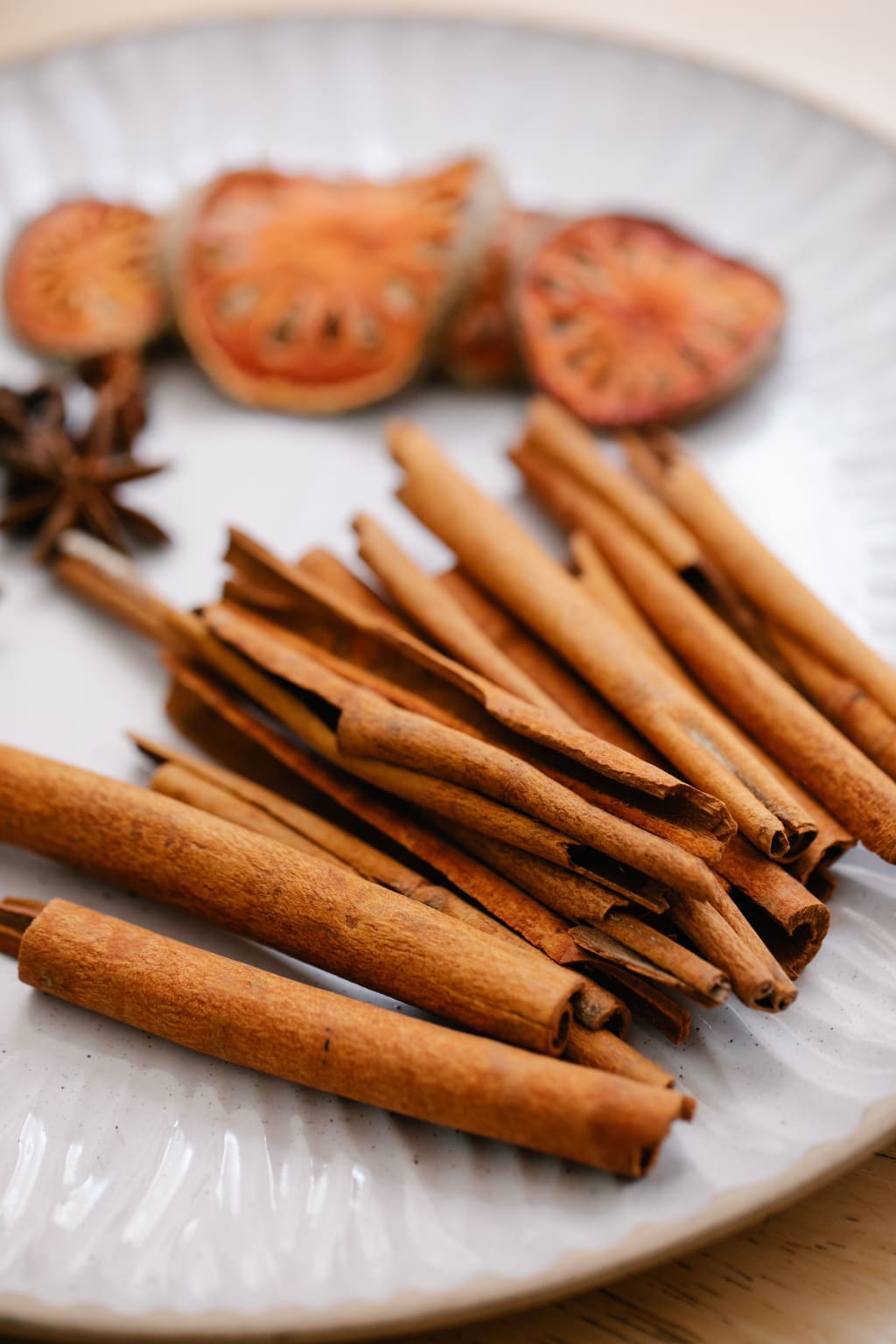
Cinnamon, an aromatic delight, is native to just one enchanting region on Earth, and its production requires meticulous hours of laborious craftsmanship. Even the most skilled artisans can only yield a few pounds of this treasured spice each day, with a pound of Ceylon cinnamon quills commanding a princely sum of $27. Yet, not all spices bearing the cinnamon label are created equal; many found in Western markets are actually less expensive varieties known as cassia. But what sets Ceylon cinnamon apart, making it the preferred choice, and why does it hold such a lofty price tag?
The Jewel of Sri Lanka: Ceylon Cinnamon
Ceylon cinnamon, named after the old British moniker for Sri Lanka, is often hailed as the true cinnamon. It is derived from the dried inner bark of a tree known as Cinnamomum verum. Cultivating these cinnamon trees is an investment of time, as farmers must patiently wait for four years after planting a tree before they can embark on the harvest. During the harvest season, workers deftly dismantle the branches, a task best suited for the early morning hours when the bark retains moisture.
A Year-Round Commitment: The Care of Cinnamon Trees
The responsibilities do not end with the harvest; year-round maintenance of the trees is essential to ensure the quality of the bark remains suitable for cinnamon production.
Mastering the Art: Handcrafting Ceylon Cinnamon
Now, the most labor-intensive phase unfolds—peeling the inner bark from each branch by hand. This delicate and crucial process goes beyond mere surface scraping; to yield the most coveted cinnamon, the bark must be rendered exceedingly thin. Thinner quills fetch higher prices, and it takes a seasoned expert, like Ruanpora, who has spent four decades perfecting the skill, to achieve this level of craftsmanship.
From Bark to Quill: The Transformation
Following the removal of the bark, each piece dries under the gentle embrace of the sun, promptly curling into the iconic quills. After a few minutes, these quills are ready for the next step. However, it's a demanding process, and by day's end, workers have only produced about three pounds of quills. These quills then require three to four days of drying before they are bundled into bales and sent to specialized facilities for grading and pricing, contingent on their width.
The Grading Game: Quality Determines Value
At facilities like P.D. Romance and Sons, bales of cinnamon are received from various peelers and subjected to stringent grading across ten different scales. The crème de la crème of cinnamon quills, known as Alba, commands the highest price but demands four times more effort to produce per kilogram than lower grades.
The Lesser-Known Cassia Cinnamon
Notably, what often confounds consumers is the existence of cassia cinnamon, which originates from a different cinnamon tree species, Cinnamomum cassia. In contrast to the painstaking process of Ceylon cinnamon, cassia bark is robust and sturdy, allowing quills to be fashioned as single curled pieces without fillings. This distinction in bark characteristics sets Ceylon cinnamon apart as more tender and reliant on inner layers to preserve the integrity of the quill.
Ceylon vs. Cassia: A Health Perspective
Besides the intricate craftsmanship and nuanced flavors, Ceylon cinnamon is considered the healthier choice. Cassia contains higher levels of coumarin, an organic compound that, when consumed excessively, can pose liver health risks. Unfortunately, distinguishing between Ceylon and cassia cinnamon can be challenging, particularly in the United States, where both can bear the "cinnamon" label. Conversely, in the UK and other nations, cassia must be explicitly labeled as such and cannot simply be termed "cinnamon."
The World's Preferred Choice: Ceylon Cinnamon
Despite the labeling nuances, consumers worldwide favor genuine Ceylon cinnamon. In 2018, Ceylon cinnamon accounted for the highest global cinnamon revenue, surpassing all other varieties. However, as demand continues to grow through 2025, climate change casts a formidable shadow over cinnamon production. Sri Lanka has endured prolonged droughts in recent years, lethal to cinnamon trees that thrive in marshy, wet soil. Furthermore, there's an alarming shortage of cinnamon peelers, an issue likely to escalate prices. The industry depends on seasoned peelers who have honed their craft over many years, ensuring the continuation of this delicate artistry.
About the Creator
Keep reading
More stories from Anu Preethi Danila D and writers in Humans and other communities.
Florida's Citrus Industry Grapples with Citrus Greening: A Battle for Survival
Introduction In 2021, Florida experienced its worst orange crop season since World War II, a grim reminder of the relentless battle the state's citrus industry has been waging against a formidable adversary: Citrus Greening. This article delves into the devastating impact of Citrus Greening on Florida's valuable citrus trees and the efforts to combat this deadly disease that threatens the state's iconic orange groves.
By Anu Preethi Danila D2 years ago in Humans
Whiskey At Dusk
Guess the whiskey was more important to you in the end, wasn’t it? It was more than the well-being of your friends; more vital than showing up to the places you promised you would and could come to; more critical of a matter than fulfilling your damn responsibilities and getting the press off your back.
By Snarky Lisa5 days ago in Humans
Signs You Were Labeled Difficult but Were an Indigo Child.
Many people grow up labeled difficult. Teachers complain. Adults correct behavior. Authority feels tense. Yet the issue often lies in sensitivity and awareness. Indigo children show traits rooted in perception and integrity. These traits clash with rigid systems. Understanding reframes the past.
By Wilson Igbasi7 days ago in Humans


Comments
There are no comments for this story
Be the first to respond and start the conversation.