
Billion-Dollar Ethics
When Mars Chose Honor Over Profit

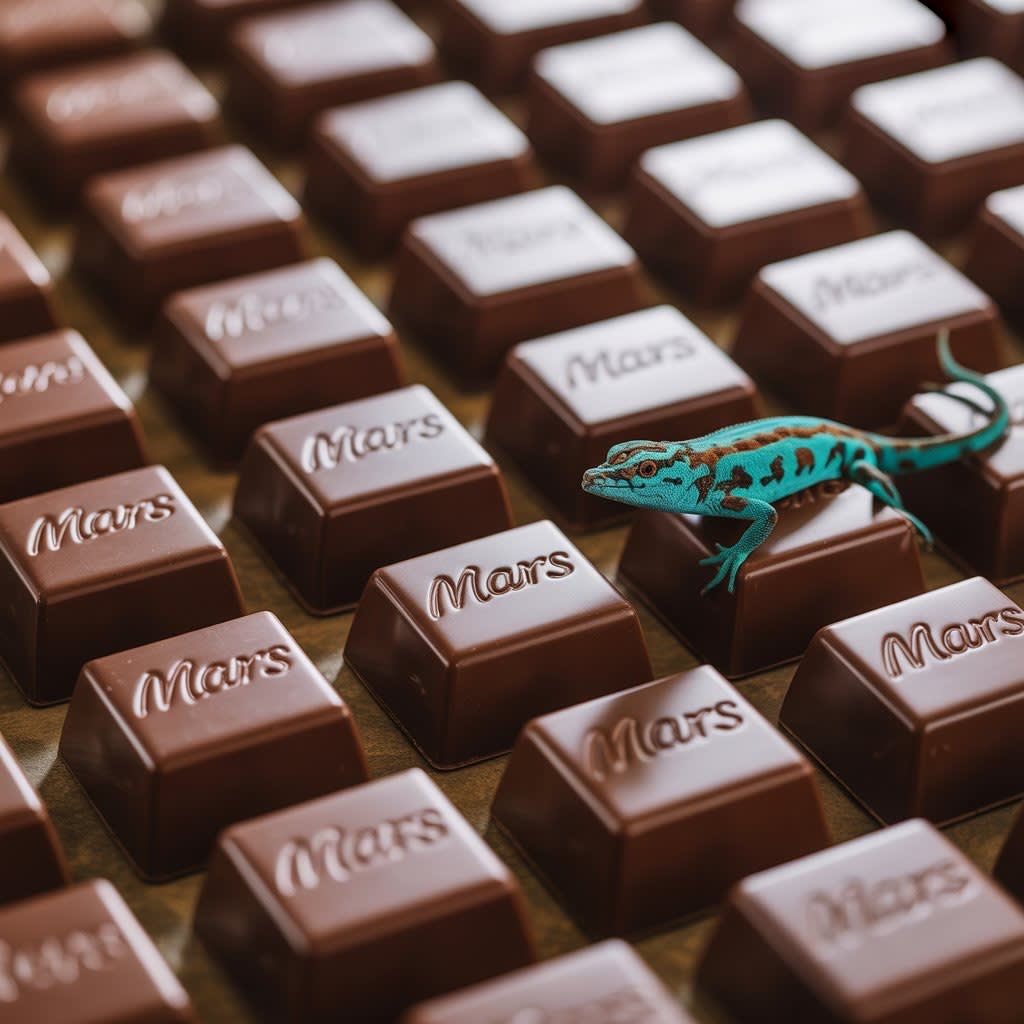
Mars is the world's largest chocolate manufacturer. The company's headquarters is located in Mount Olive, New Jersey, with 150,000 employees and an annual revenue of $50 billion. It produces 30 types of chocolates sold worldwide, with Europe being its biggest market due to its European-inspired taste. Founded in 1932 in the UK, the company initially crafted chocolates tailored to European palates before relocating to the U.S., though it retained its flavor traditions. Mars has factories across the globe, including one in the Netherlands that supplies Europe. The business was thriving—owners and workers were content, profits were steady, salaries and benefits increased, and taxes were paid promptly. But in 2016, a minor incident shook this 91-year-old company to its core.**
**The incident occurred in Germany, a major market for Mars products, where young people are avid consumers of its chocolates. On January 8, 2016, a German woman bought a chocolate bar, unwrapped it, and took a bite—only to feel something unusual. She spat it out and found a small piece of plastic embedded in the chocolate. Initially assuming it was packaging residue, she later noticed its distinct shape and color. She returned to the store, filed a written complaint, and submitted the evidence to Mars. This small plastic fragment triggered a massive corporate crisis. Investigations traced it back to Mars' Netherlands factory, where it had accidentally mixed into the chocolate during production. The plastic had traveled through warehouses and stores before reaching the woman's mouth.**
**Mars faced two choices: privately compensate the woman with a few thousand euros and free chocolates for life—or issue a global recall, destroying millions of bars to maintain trust. Despite the financial and reputational risks, Mars chose the latter. It recalled products from 55 countries, destroying over a billion chocolate bars at a loss of 30–50 billion PKR (2016 value). The logistical and environmental challenges were immense, requiring disposal in a way that avoided pollution—likely in a developing nation with lax regulations. The company knew this incident would linger in consumers' minds, yet it prioritized ethics over profit.**
**Why? This decision highlights the divide between Western and Eastern business mentalities. In the West, corporations uphold strict ethical and legal standards, fearing irreversible backlash from even minor lapses. For instance, General Motors recalled 4.8 million cars in 2014 over a minor defect, costing $5 billion in repairs and $10 billion in fines. In contrast, many businesses in Muslim-majority nations—despite owners' outward religiosity—routinely compromise food and drug safety. Pakistan, for example, is a hotspot for diseases like hepatitis C (second globally) and diabetes (third), fueled by substandard food production. Factories and kitchens often operate in filthy conditions, yet their wealthy owners face no accountability, cloaking themselves in piety while profiting from public harm.**
This is the chasm between civilizations: one where a speck of plastic triggers billion-dollar recalls, and another where lizards crawl out of food without consequence. If only someone would tell our "hajis" that the path to God doesn’t run through forehead calluses—it demands humanity. And in humanity, the so-called "infidels" are far ahead of us.
Lesson
This story teaches us that true success is built on integrity, not just profits. When Mars discovered one chocolate bar contaminated with plastic, they recalled billions worldwide—prioritizing consumer trust over short-term losses. Meanwhile, in many developing nations, businesses routinely compromise safety with no consequences, hiding behind religious piety while harming people. The lesson? Ethical responsibility separates thriving societies from failing ones. Accountability, strong regulations, and respect for human life create real progress. Hypocrisy—praying in mosques while selling poison—brings only disease and decay. Progress demands action: enforce strict quality laws, punish negligence, and value lives over greed. Only then can societies truly advance.
About the Creator
Mian Abbas Khan
I am currently pursuing an MPhil in English,Passionate article writer skilled in crafting clear, engaging, and SEO-friendly content. Experienced in diverse topics, committed to quality, research, and meeting deadlines.
Keep reading
More stories from Mian Abbas Khan and writers in Humans and other communities.
The Thread of Time
This is Peter's story, the story of Peter from Eastern Europe. Peter was eight years old and lived in a small village in Eastern Europe. His parents were landowners and prosperous, and Peter was their only child. He was handsome, intelligent, and well-mannered. Peter was the most remarkable child in the village, except for one flaw—what was that flaw? Before I get to that, let me tell you, this isn’t just Peter’s story; it’s actually the story of all of us. How is this story our story? To understand that, we must first hear Peter’s tale.
By Mian Abbas Khan6 months ago in Education
Why Modern Love Feels So Intense — Yet Ends So Fast
Introduction: The Paradox of Modern Love Modern love feels powerful. Fast. Consuming. People fall for each other in weeks, sometimes days. Conversations feel electric. Eye contact feels loaded. Texts feel addictive. There’s chemistry, attraction, emotional openness, and an almost cinematic sense of connection.
By F. M. Rayaan6 days ago in Humans
"Hear Me Out"
"Hear me out, what if we ran away together?" "Where do you want to go?" "Anywhere but here. We could move to a new city or to Canada, or we could disappear from society to live in the middle of the woods. Maybe a combination of two of those things would be good. What do you say?"
By Kay Husnick6 days ago in Fiction


Comments
There are no comments for this story
Be the first to respond and start the conversation.