
Bill Gates believes that AI will take over many jobs, but there are three professions that it will not replace.
Bill Gates
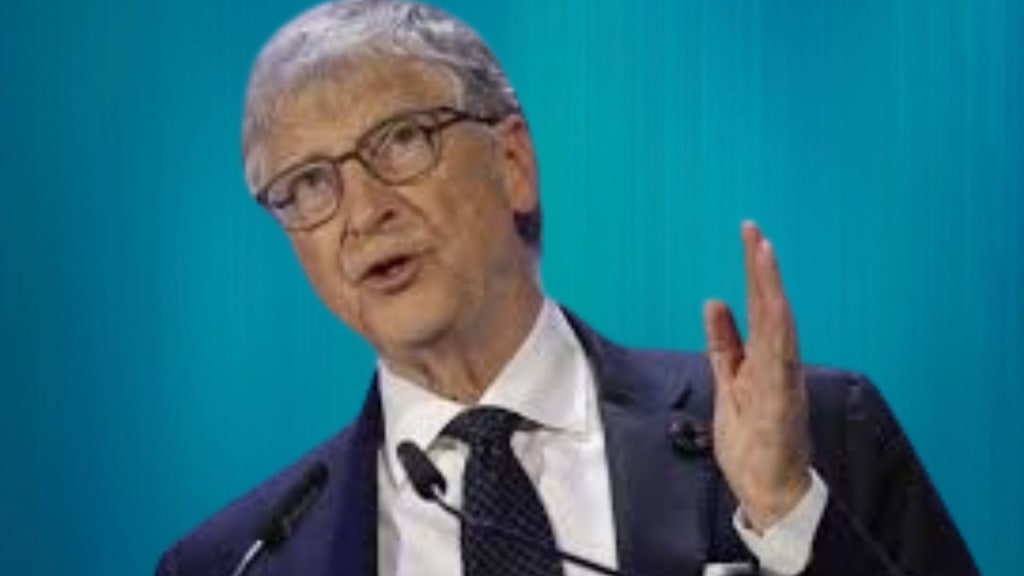
Bill Gates, co-founder of Microsoft, believes that while artificial intelligence (AI) will automate many tasks, some professions will always be essential due to their complex and creative demands. He highlights three fields that are unlikely to be replaced by AI:
Coders:
Although AI can generate code, human programmers are critical for developing, debugging, and improving complex software. The problem-solving and innovative thinking required in coding cannot be fully replicated by AI.
Energy Experts:
The energy sector is vast and complex, requiring human knowledge. Professionals in this field deal with regulations, plan sustainable solutions, and manage unpredictable energy demands—tasks that are beyond AI's current capabilities.
Biologists:
Research in biology relies on creativity and the ability to think beyond existing data. While AI can help with tasks like diagnosing diseases and analyzing DNA, creating new hypotheses and making groundbreaking discoveries are still human tasks.
Healthcare Professionals (Doctors, Nurses, Therapists) – AI can help with diagnosis and treatment, but human empathy and critical decision-making are vital in healthcare.
Teachers & Educators – AI can assist with tutoring and grading, but human educators are necessary for mentoring and adapting to students' needs.
Creative Professions (Writers, Artists, Designers, Musicians) – AI can generate content, but true creativity and emotional connection are hard to mimic.
Trades & Skilled Labor (Electricians, Plumbers, Mechanics) – These jobs require hands-on skills and problem-solving in unpredictable situations, making full automation unlikely.
In addition to the jobs identified by Bill Gates (coders, energy experts, and biologists), there are several other professions that AI is less likely to replace. These roles depend heavily on human creativity, complex problem-solving, emotional intelligence, and hands-on skills:
1. Healthcare & Medical Professions
Doctors & Surgeons – AI can help with diagnosis and surgery, but human expertise is essential for ethical decisions and patient interactions.
Nurses & Caregivers – AI may provide medical data, but the compassion and adaptability of nurses are irreplaceable.
Therapists & Psychologists – While AI can analyze behavior, therapy relies on human connection and emotional intelligence.
2. Creative Professions
Writers, Poets, and Journalists – AI can generate content, but human storytelling and originality are unmatched.
Musicians & Composers – Though AI can create music, emotional expression and cultural influence come from humans.
Artists, Designers & Photographers – AI can assist, but true artistic vision stems from human experience.
Filmmakers & Directors – Creative direction and storytelling require human emotion and insight.
3. Education & Human Development
Teachers & Professors – AI can aid in tutoring, but personal mentorship and emotional intelligence are key in education.
Coaches & Mentors – Personal development relies on human motivation and tailored guidance that AI cannot provide.
4. Skilled Trades & Manual Labor
Electricians, Plumbers & Mechanics – These jobs require problem-solving and adaptability in unpredictable situations, where AI struggles.
Carpenters & Construction Workers – Though AI can help with design, actual craftsmanship needs human expertise.
Chefs & Culinary Experts – AI can automate cooking, but human chefs bring creativity and cultural aspects to food.
5. Law, Politics, & Ethics
Lawyers & Judges – AI can assist with research, but interpreting laws and making ethical decisions require human judgment.
Politicians & Diplomats – Leadership and negotiation are inherently human tasks in politics.
Ethicists & Philosophers – AI cannot fully grasp moral dilemmas and complex philosophical issues.
6. Emergency & Security Services
Firefighters & Paramedics – These roles demand quick decision-making and adaptability during emergencies.
Police Officers & Detectives – While AI can aid in surveillance, investigations rely on human intuition and negotiation.
Disaster Relief Workers – Responding to crises requires human empathy and flexibility.
7. Social & Community-Based Jobs
Religious Leaders & Counselors – These roles depend on deep human connections and emotional support.
Social Workers & Human Rights Advocates – Data can be provided by AI, but empathy and advocacy are essential.
Event Planners & Hospitality Workers – Creativity and personal service make these jobs hard to automate.
While AI will enhance many fields, jobs that need human judgment, adaptability, emotional intelligence, and creativity will stay relevant in the future.
About the Creator
The CEO of Everything
They say "jack of all trades, master of none," but they forgot to mention the part where the jack of all trades is also the camera woman, the makeup artist, and the person currently yelling at a tangled Wii microphone cable in a her own bathroom while recording herself singing and trying to make it look realistic and professional. (As professional as you can make it with nothing but a cell phone camera and a mic that doesn't work)
By Sara Wilson7 days ago in Humans
Thoughts on Vocal and the way the world is
"Death cannot stop true love, only delay it." – Wesley in The Princess Bride. I decided to come back to Vocal on a very cold and dark night at the end of December. I had been, and still am, convalescing from a horrible staph infection that had gone misdiagnosed for months. This, paired with the increasing challenges of being healthy, making the best choices for my co-parented child, being a wife, and being a director at a new job, was a lot to manage.
By Jazzy 6 days ago in Confessions


Comments
There are no comments for this story
Be the first to respond and start the conversation.