
Beyond the Flag: Reclaiming the Soul of Patriotism

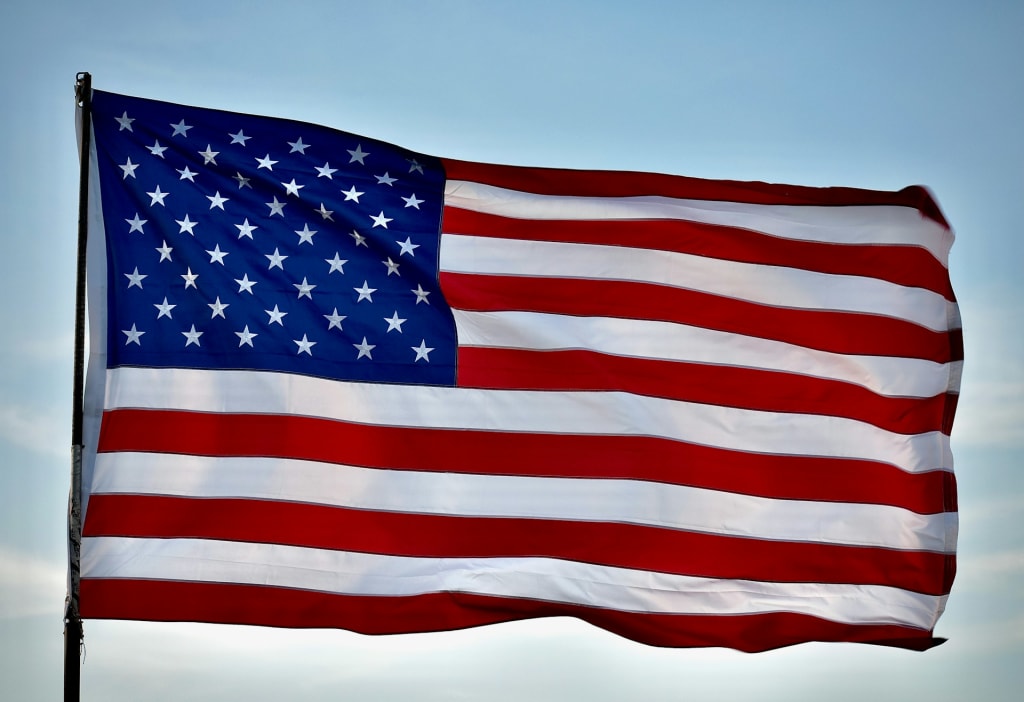
True patriotism is not about flags and fireworks—it’s about responsibility, sacrifice, and the courage to confront our nation’s flaws with the intent to heal them. Performative patriotism, by contrast, is a hollow display that demands no accountability and offers no substance.
In today’s America, patriotism is often reduced to a spectacle. We see it in the sea of flags at political rallies, in the thunderous applause for military flyovers, and in the ubiquitous slogans that adorn bumper stickers and social media bios. But beneath the surface of these grand displays lies a troubling truth: much of what passes for patriotism today is performative, not principled. It is a performance of loyalty, not a practice of love. And in a time when our nation faces deep divisions and urgent challenges, we must ask ourselves—what does it truly mean to love one’s country?
The Rise of Performative Patriotism
Performative patriotism is not new, but it has become increasingly visible and influential in recent years. As John Mac Ghlionn writes in Newsweek, “True patriotism, in its purest form, is about more than just waving flags and spouting slogans. It's a commitment to the ideals and principles upon which this nation was founded—ideals like liberty, honesty, and justice for all”.
Yet, instead of this deeper engagement, we often see a shallow imitation: politicians draped in the stars and stripes while voting against veterans’ benefits; corporations marketing products with patriotic branding while outsourcing jobs overseas; influencers posting memes about freedom without understanding the Constitution. This kind of patriotism is more about optics than action, more about identity than integrity.
The consequences are not just cultural—they’re personal. As highlighted by the Hawaiian Islands Recovery Center, performative patriotism can have a damaging impact on veterans, who often feel exploited by empty gestures that fail to translate into real support. When patriotism becomes a performance, those who have truly sacrificed are left feeling unseen and unheard.
What Patriotism Is—and Isn’t
Patriotism, at its core, is love of country. But love, as any mature person knows, is not blind. It is not uncritical. It does not ignore flaws or excuse harm. True love demands honesty, accountability, and a willingness to grow.
In the same way, true patriotism is not about denying our nation’s shortcomings—it’s about confronting them. It’s about striving to make the country live up to its highest ideals. As Frederick Douglass famously asked in his 1852 speech, “What to the Slave is the Fourth of July?”—a question that still echoes today. Douglass’s words remind us that patriotism must include the voices of those who have been excluded from its promises.
This is echoed in the reflections of Marcus Atkinson, a Black business leader quoted in the Erie Reader: “The highest form of patriotism is to serve when your own country won't defend your rights”. Atkinson’s words challenge us to expand our definition of patriotism beyond comfort and conformity. They call us to a deeper, more courageous form of national love.
Patriotism as Responsibility
If performative patriotism is about appearances, principled patriotism is about responsibility. It is about showing up—not just on national holidays, but every day. It is about voting, volunteering, and holding leaders accountable. It is about protecting the rights of others, even when their experiences differ from our own.
This kind of patriotism is not always easy. It may require us to challenge our own assumptions, to listen to uncomfortable truths, and to take action that costs us something. But it is the only kind of patriotism that can truly strengthen a nation.
Consider the example of military families who speak out about inadequate pay, housing, and healthcare. Their advocacy is not unpatriotic—it is deeply patriotic. They are demanding that the country they serve live up to its obligations. They are refusing to accept a system that honors their sacrifice with words but not with deeds.
Or consider the young activists who march for racial justice, climate action, or LGBTQ+ rights. They are often accused of being “anti-American,” but in truth, they are among the most patriotic citizens we have. They believe in the promise of America enough to fight for it.
The Dangers of Hollow Displays
When patriotism becomes performative, it loses its power to unite. Instead of bringing people together around shared values, it becomes a tool for exclusion. It draws lines between “real Americans” and everyone else. It demands conformity instead of conversation.
This is especially dangerous in a democracy, where dissent is not a threat but a necessity. As historian Howard Zinn once said, “Dissent is the highest form of patriotism.” Without the freedom to question, to protest, and to demand better, democracy withers.
Performative patriotism also creates a false sense of security. It allows people to feel virtuous without doing the hard work of civic engagement. It replaces action with symbolism. And in doing so, it leaves the real problems of our nation unaddressed.
Reclaiming Patriotism
So how do we reclaim patriotism from the realm of performance and return it to the realm of principle?
First, we must redefine it. Patriotism is not about loving a perfect country—it’s about loving a country enough to make it better. It’s about honoring the sacrifices of those who came before us by building a more just and inclusive future.
Second, we must practice it. That means engaging in our communities, educating ourselves about history, and participating in the democratic process. It means supporting policies that reflect our values, not just our slogans.
Third, we must protect it. That means standing up against those who would use patriotism as a weapon—to silence dissent, to marginalize others, or to justify injustice. It means refusing to let the flag be co-opted by those who do not honor its meaning.
Patriotism in Action
Real patriotism looks like:
- A teacher who stays late to help a struggling student because they believe in the promise of equal opportunity.
- A veteran who advocates for better mental health care for their fellow service members.
- A journalist who risks their safety to report the truth.
- A citizen who votes in every election, not just the big ones.
- A neighbor who speaks out against injustice, even when it’s unpopular.
These acts may not make headlines. They may not come with parades or medals. But they are the lifeblood of a healthy democracy.
Conclusion: A Love That Acts
Patriotism should not be a costume we wear on holidays. It should be a commitment we live every day. It should challenge us, stretch us, and call us to something greater than ourselves.
In a time of division and disillusionment, we need a new kind of patriotism—one that is humble, honest, and brave. One that sees the flag not as a shield from criticism, but as a symbol of our shared responsibility. One that honors the past, confronts the present, and builds a better future.
Because true patriotism is not performative. It is participatory. It is not loud. It is loyal. And it is not about proving our love for America—it is about practicing it.
Sources:
Newsweek – The Scourge of Performative Patriotism
Hawaii Island Recovery – The Stresses of Performative Patriotism Among Veterans
Erie Reader – Reclaiming Patriotism in the Trump Era
About the Creator
Julie O'Hara - Author, Poet and Spiritual Warrior
Thank you for reading my work. Feel free to contact me with your thoughts or if you want to chat. [email protected]
Keep reading
More stories from Julie O'Hara - Author, Poet and Spiritual Warrior and writers in Humans and other communities.
Restoring Balance in Medicine: Andrew Rudin MD on Why Prevention Must Come First
Modern healthcare has delivered extraordinary achievements. Medications control conditions that once shortened lives. Procedures restore heart rhythm, open blocked arteries, and prevent sudden cardiac events. Imaging technologies allow physicians to detect disease earlier and with greater precision than ever before. Yet despite these advances, many patients feel that care often begins too late. Treatment is efficient, but prevention is inconsistent. According to Andrew Rudin MD, this imbalance now represents one of the most significant challenges facing modern medicine.
By Dr. Andrew Rudin7 days ago in Humans



Comments
There are no comments for this story
Be the first to respond and start the conversation.