
Belly Fat: How to Lose It and Keep It Off
Understanding the Challenges of Losing Belly Fat
1. Introduction
2. Understanding the Challenges of Losing Belly Fat
3. Stage 1: Kick-starting the Fat Loss Process
• Creating an Energy Deficit
• Focus on Calories and Protein
• Low Calorie Density Foods
• Importance of Protein Intake
4. Stage 2: Going from 15% to 12% Body Fat
• Getting More Precise with Approach
• Tracking Daily Calorie Intake
• Addressing Carb and Fat Intake
• Importance of High Volume Foods
5. Stage 3: The Most Difficult Stage
• Consistency and Discipline
• Choosing High Volume Foods
• Managing Social Events and Dining Out
• Evaluating the Worth of Sacrifices
6. Conclusion
7. FAQs
Belly Fat: How to Lose It and Keep It Off
Introduction
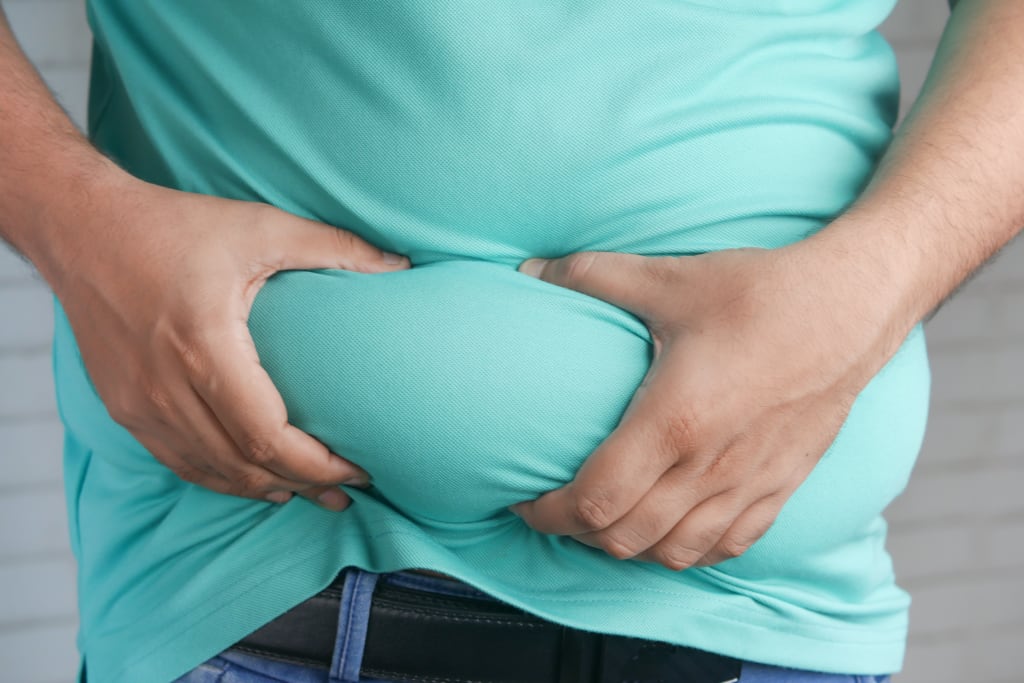
Losing belly fat can be a challenging task for many individuals. It's a common problem faced by both men and women, and it often seems like an uphill battle. While you may be aware that your diet plays a crucial role in losing fat from this area, knowing where to start and how to maintain long-term results can be overwhelming. In this article, we will guide you step by step through three stages of eating to lose belly fat effectively and permanently.
Understanding the Challenges of Losing Belly Fat
Before we delve into the three stages, it's important to understand why these stages are necessary. Most individuals aiming to lose belly fat are likely somewhere between 15% and 25% body fat, or possibly even higher. However, before your body starts prioritizing burning off belly fat for energy, you need to lose enough fat from other areas of your body. This usually occurs when you reach around 15% body fat. As you progress and reach 12% or even 10% body fat, you'll need to make specific changes to prevent getting stuck and losing muscle mass.
Stage 1: Kick-starting the Fat Loss Process
The first stage is designed to kick-start the fat loss process and maintain it until you reach approximately 15% body fat. During this stage, your hunger levels will be low, and the risk of muscle loss will also be minimal. The primary focus of this stage revolves around two factors: calories and protein.
To create an energy deficit and force your body to burn body fat for energy, you need to consume fewer calories than your body burns every day. A rough estimate for your daily calorie intake can be found by multiplying your body weight in pounds by a factor of 11 to 13. Taller, younger, or more active individuals should opt for the higher end of the range, while shorter, older, or less active individuals should choose the lower end.
While you don't have to completely eliminate carbs, sugar, or your favorite foods, it's essential to prioritize low-calorie density foods. These foods take up more space in your stomach while adding relatively fewer calories to your daily total. Opt for unprocessed, low-calorie density foods that require more calories to burn and digest. Incorporating these foods into your meals will contribute to more effective fat loss.
In addition to managing your calorie intake, focus on increasing your protein consumption. Studies have shown that individuals who consume higher amounts of protein during weight loss tend to lose more fat and less muscle. For relatively heavier males, a good recommendation is to consume one gram of protein per centimeter over your height. For lighter individuals or those closer to 15% body fat, multiply your body weight in pounds by 0.8 and consume at least that many grams of protein per day.
Stage 2: Going from 15% to 12% Body Fat
About the Creator
saba riaz
"I am a diet planner, here to assist you in achieving your health and wellness goals. With my expertise and guidance, we can create a personalized diet plan that aligns with your specific needs and preferences.
Reader insights
Outstanding
Excellent work. Looking forward to reading more!
Top insight
Heartfelt and relatable
The story invoked strong personal emotions
The Angry Man in Your House
"If you grow up with an angry man in your house, there will always be an angry man in your house" This statement has caused plenty of controversy online, people say its a statement that blames victims while also undermining those who break traumatic cycles to form health relationships... but if I'm honest now that I'm in my 30s it makes more sense to me than ever, and I'd argue that its not just about fathers and uncles.
By S. A. Crawford2 days ago in Humans
How Are Himalayan Salt Blocks Used in Cooking and Grilling?
Essential to this, the natural cooking method is a trend that is gaining popularity since the population has been seeking healthier and tastier ways of cooking food. The use of a Himalayan salt block is one of the best organic techniques that can be identified in cooking.
By Pink salt wall5 days ago in Humans



Comments
There are no comments for this story
Be the first to respond and start the conversation.