
Aubrey Plaza’s Heartbreaking Loss: Remembering Her Husband Jeff Baena
The Actress Opens Up About Grief, Love, and Life After Tragedy

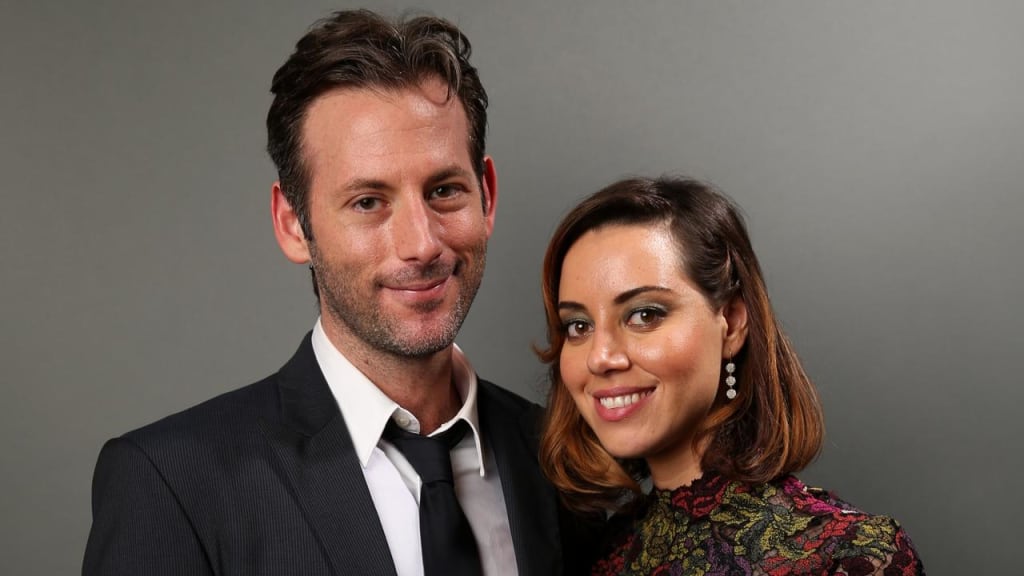
When the world thinks of Aubrey Plaza, they often picture her sharp wit, her deadpan humor, and her ability to steal every scene she steps into—whether it’s as April Ludgate in Parks and Recreation or as the unpredictable Harper in The White Lotus. But behind the screen presence and comedic brilliance lies a very real, very human story of love, loss, and grief.
In January, tragedy struck when Plaza’s husband, Jeff Baena, died by suicide at just 47 years old. For months, Plaza remained private about her loss, retreating from public conversation while processing the unimaginable. But recently, on Amy Poehler’s podcast, Plaza opened up for the first time about Baena’s death, describing her grief as “a giant ocean of awfulness.”
It was a rare, raw glimpse into the personal life of a woman who has always balanced fame with privacy. And it was also a reminder of how grief—especially grief tied to suicide—can feel boundless, disorienting, and almost impossible to put into words.
Who Was Jeff Baena?
Before his tragic passing, Jeff Baena had built an impressive career as a writer and director. Known for films like Life After Beth, Joshy, and The Little Hours, Baena was widely admired in the independent film community for his offbeat humor and creative storytelling.
Baena and Plaza’s professional and personal lives were deeply intertwined. They collaborated frequently, with Plaza starring in several of his films. But their connection extended far beyond work—by all accounts, they shared a deep, private bond away from Hollywood’s spotlight.
For nearly two decades, Baena and Plaza built a life together, grounded in partnership, creativity, and love. His death was not just the loss of a filmmaker but of a man who had been a constant source of strength and companionship in Plaza’s life.
Aubrey Plaza Breaks Her Silence
When Plaza finally chose to speak about Baena’s passing, it was with the kind of honesty and vulnerability that makes her words resonate so deeply. On Amy Poehler’s podcast, Plaza described grief not as a linear process or a series of stages, but as an overwhelming force—an ocean in which she often feels submerged.
“It’s a giant ocean of awfulness,” she admitted, capturing the raw, unfiltered nature of what it means to lose someone suddenly and tragically.
Plaza didn’t dress her grief up with platitudes. Instead, she offered an authentic reflection of what so many who lose loved ones to suicide experience: confusion, pain, and a seemingly endless tide of sorrow.
Her willingness to speak openly matters. In a culture that often rushes people through mourning or avoids conversations about suicide, Plaza’s honesty gives others permission to acknowledge the full weight of their own grief.
The Silence Around Suicide
Suicide is one of the most stigmatized and difficult topics to discuss. Families and loved ones are often left with unanswered questions, a swirl of “what ifs,” and the heavy burden of grief layered with shock.
By speaking publicly, Plaza has done something profoundly important: she has broken the silence. Instead of hiding her pain or pretending to “move on,” she has reminded the world that grief after suicide is not something neatly tucked away. It is complex, ongoing, and deeply human.
Mental health experts often emphasize that open conversations about suicide are critical—not only for healing but also for prevention. Plaza’s decision to share her experience may help others feel less alone in their own struggles or losses.
Love, Art, and Loss
Part of what makes Plaza and Baena’s story so poignant is how much of their love was rooted in art and creativity. They weren’t just husband and wife—they were collaborators. Their projects together often blurred the line between professional and personal, reflecting the depth of their connection.
For Plaza, continuing to act and create in the aftermath of Baena’s death may become both a challenge and a form of healing. Many artists have turned to their craft as a way of processing grief. But there is also the painful reality of returning to work without a partner who was once an integral part of that world.
The films they made together now serve as a testament to their shared journey, preserving pieces of their love story in cinematic form.
The Personal Becomes Universal
Although Plaza is a public figure, her grief is deeply personal. Yet, her story has struck a chord with fans and strangers alike, because loss—especially loss by suicide—is something that touches countless lives.
Millions of people each year experience the devastating impact of suicide. Each story is unique, but the common threads of shock, sorrow, and searching for answers are universal. Plaza’s words may give voice to those who struggle to articulate their own pain, showing them that it’s okay to acknowledge just how overwhelming grief can be.
In many ways, her public admission is not about celebrity—it’s about humanity. It’s a reminder that no matter how famous or beloved someone is, they are not shielded from heartbreak.
Honoring Jeff Baena’s Legacy
Even in grief, there is space for remembering and celebrating the life that was lived. Jeff Baena was more than the way he died. He was a creator, a storyteller, and above all, a partner who brought joy and meaning into Plaza’s life for nearly 20 years.
Friends and colleagues have remembered him as a gentle, brilliant mind with a unique vision. For Plaza, keeping his memory alive will likely become part of her journey through grief. Whether through her work, her words, or her private reflections, Baena’s influence will remain a constant presence.
Grief as a Lifelong Journey
Grief is not something that ends with time. It evolves, reshapes itself, and lingers in ways both expected and unexpected. Plaza’s description of grief as an ocean is particularly fitting—it comes in waves. Sometimes it’s calm, other times it’s a storm. But it is always there, reminding us of love that has been lost but not forgotten.
For those watching from the outside, the best response is compassion. Instead of pressuring people to “heal quickly” or “move on,” society must learn to honor grief for what it truly is: a testament to love.
Final Thoughts
Aubrey Plaza’s candid words about the death of her husband, Jeff Baena, offer a profound reminder of the human side of loss. Behind the fame and the humor, she is a woman grappling with heartbreak, searching for meaning in the aftermath of tragedy.
Her openness does not just honor Baena’s memory—it also contributes to a larger conversation about grief, suicide, and mental health. By sharing her truth, Plaza may help others feel seen, supported, and less alone in their pain.
In the end, Plaza’s story is not only about loss but about love—the kind of love that leaves an indelible mark, one that grief cannot erase. As she continues to navigate her ocean of awfulness, her resilience, honesty, and vulnerability may serve as a lighthouse for others facing their own storms.
About the Creator
Fazal Ur Rahman
My name is Fazal, I am story and latest news and technology articles writer....
read more and get inspire more............
Keep reading
More stories from Fazal Ur Rahman and writers in Humans and other communities.
The Voice That Shaped a Movement: The Life and Death of James C. Dobson
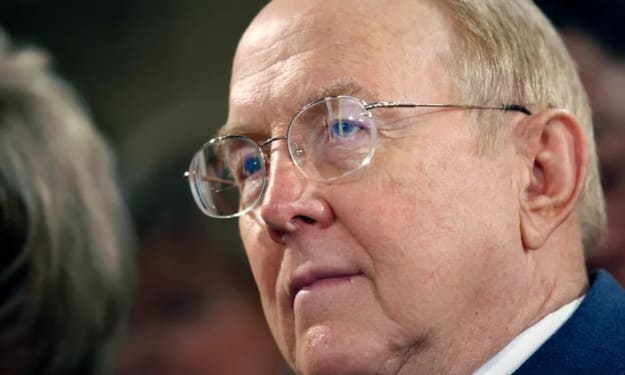
On the morning of August 21, 2025, news spread quietly at first—like the faint crackle of static before a thunderclap. James C. Dobson, the American psychologist, author, and founder of Focus on the Family, had died at the age of 89. For many, the announcement was not just the passing of a man, but the closing of a chapter in American religious and political life. In church pews, on radio stations, and in countless living rooms across the country, his voice had been a constant presence—calm, authoritative, sometimes comforting, and other times polarizing. And now, it was silenced.
By Fazal Ur Rahman7 months ago in Humans



Comments
There are no comments for this story
Be the first to respond and start the conversation.