
Astronomy: The Ever-Unfold
Astronomy is a branch of science that studies the universe and its contents, including planets, stars, galaxies, and other celestial bodies. It is a fascinating field that has captivated humanity for thousands of years, and continues to do so today. From the earliest human civilizations, people have looked up at the stars and wondered about the mysteries of the universe. Today, thanks to advances in technology and scientific understanding, we are able to explore the cosmos in ways that would have been unimaginable just a few decades ago.
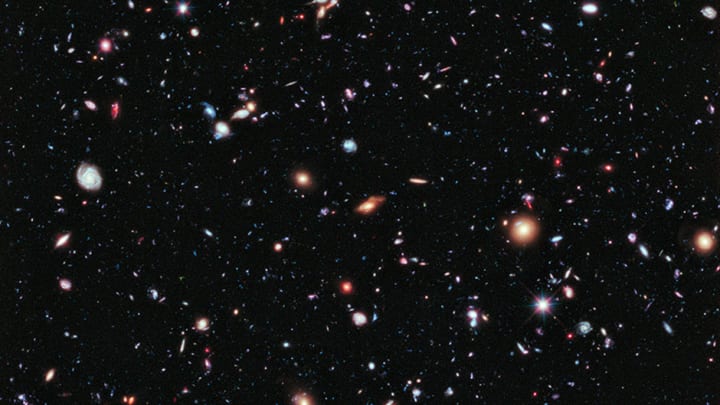
Astronomy is a field that has captivated humanity for thousands of years. From the earliest human civilizations, people have looked up at the night sky and wondered about the mysteries of the universe. Throughout history, the study of astronomy has been an ever-unfolding journey of discovery, revealing new insights and understanding about the world around us.
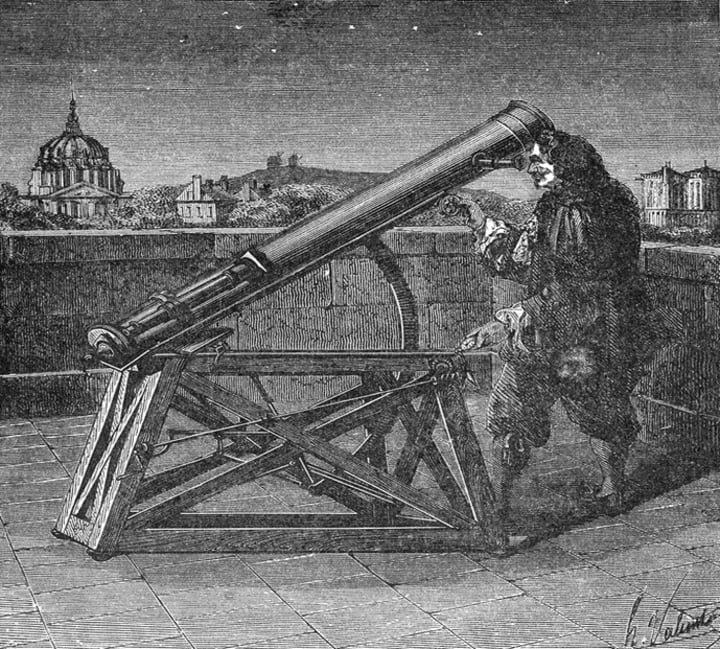
One of the earliest milestones in the history of astronomy was the development of the telescope in the 17th century. The telescope allowed scientists to see distant objects with much greater clarity than was possible with the naked eye. This led to the discovery of new celestial bodies, including the four largest moons of Jupiter and the rings of Saturn. The telescope also allowed for the discovery of new phenomena, such as the spiral structure of galaxies, and the existence of nebulas, clouds of gas and dust where stars are born.
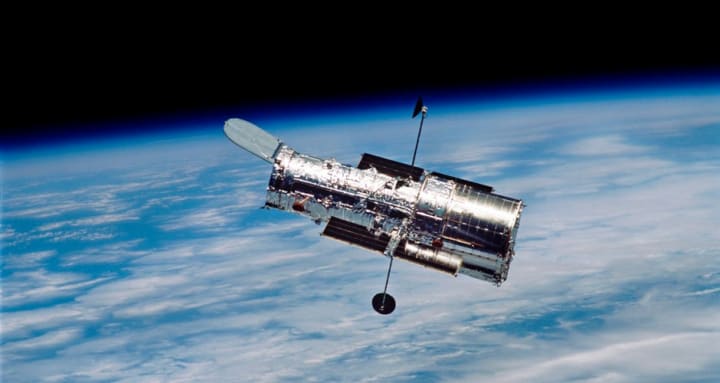
In the 20th century, advances in technology and instrumentation led to even more groundbreaking discoveries in astronomy. The development of the radio telescope allowed scientists to study the universe in a completely new way, revealing new information about the properties of stars and galaxies. The space telescope, such as the Hubble Space Telescope, provided us with incredible images of the universe, giving us new insights into the structure and evolution of the cosmos.
In recent years, the study of exoplanets, or planets outside our solar system, has become one of the most exciting areas of astronomy. The discovery of exoplanets has not only expanded our understanding of the universe, but also raised the possibility of the existence of extraterrestrial life. The development of new techniques, such as the radial velocity method and the transit method, has allowed scientists to detect and study exoplanets with increasing precision. Some of the exoplanets discovered are within the habitable zone of their star, which could be a good place for liquid water, hence making it a potential habitat for life.
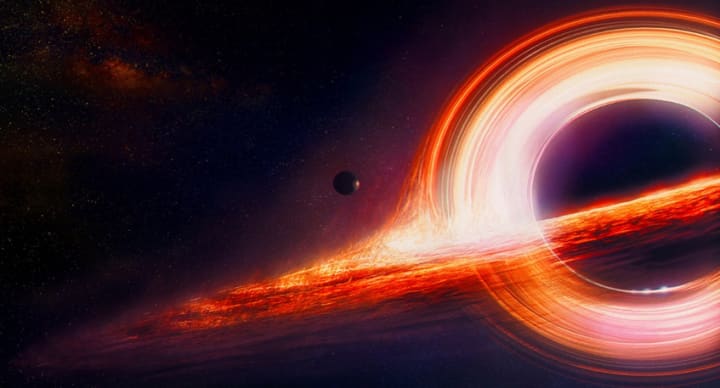
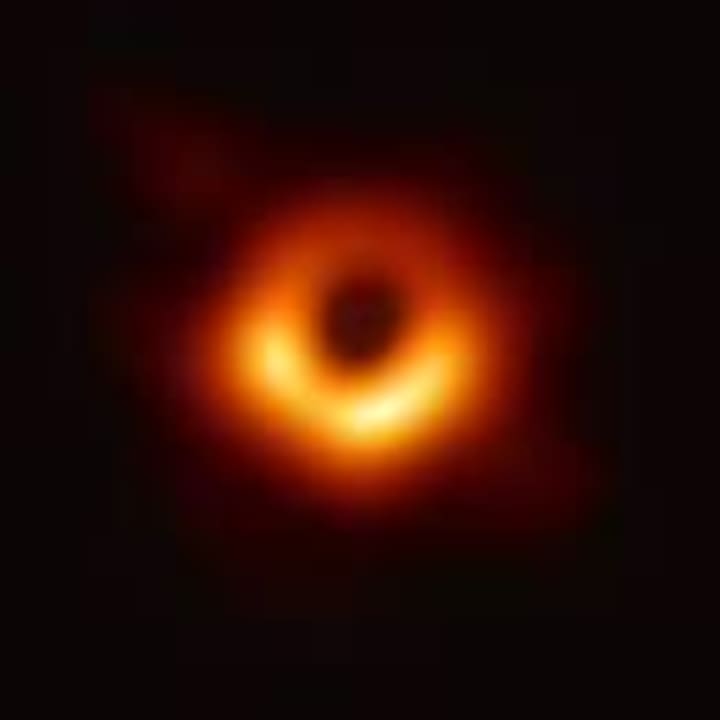
The study of black holes is another area of astronomy that blows our mind. Black holes are incredibly dense regions of space where gravity is so strong that nothing, not even light, can escape. Scientists have discovered that the center of most galaxies, including our own Milky Way, contains a supermassive black hole. The existence of black holes challenges our understanding of physics and raises questions about the origins of the universe.
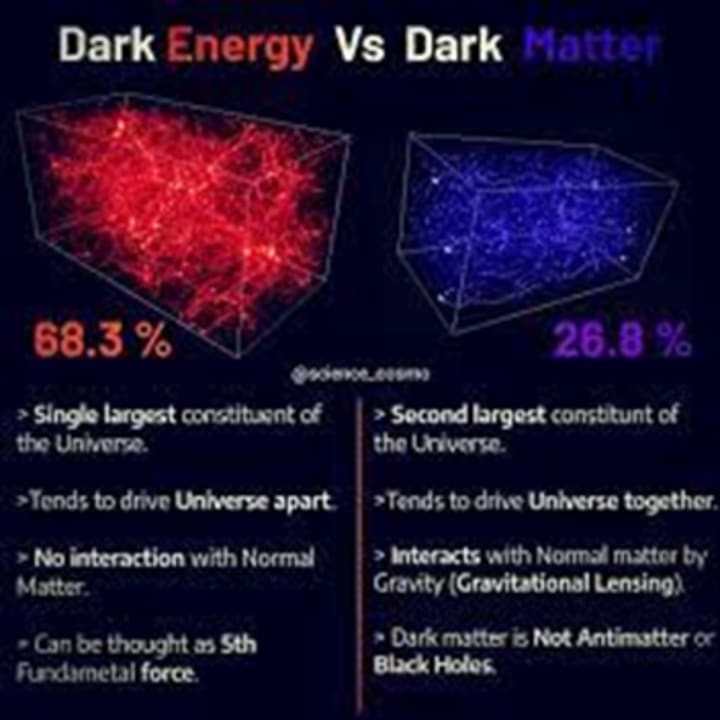
The study of dark matter and dark energy, which make up most of the universe, is another rapidly evolving field in astronomy. Scientists have long suspected the existence of dark matter and dark energy, but we are still trying to understand their nature and properties. The discovery of the accelerating expansion of the universe has led to new theories and models to explain the phenomenon of dark energy.
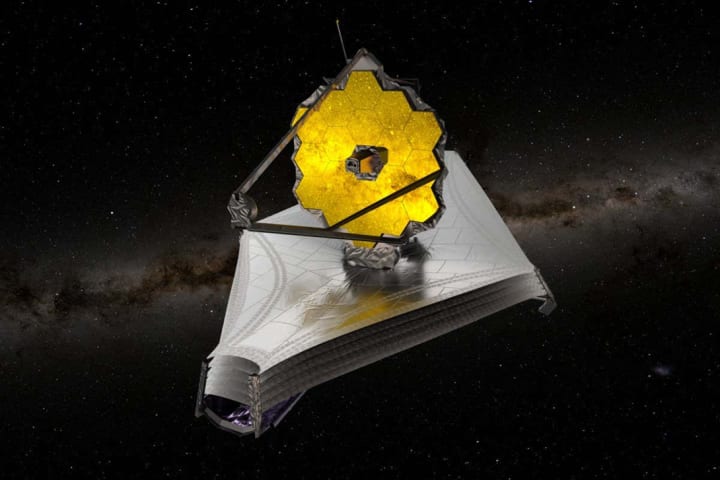
Astronomy is also a field that is constantly updating itself with new technologies and scientific methods, for example, the upcoming James Webb Space Telescope (JWST), will have the ability to detect light from the first galaxies that formed in the early universe, study the birth and death of stars, and also observe the planets around other stars in more detail than any previous telescope.
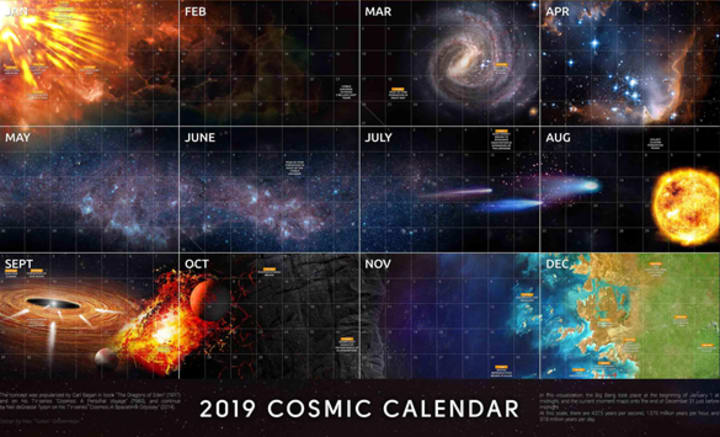
The study of astronomy is an ever-unfolding journey of discovery. From the earliest observations of the night sky to the latest discoveries in exoplanets, dark matter, and dark energy, the field of astronomy is constantly revealing new insights and understanding about the world around us. With the help of new technologies, scientists are able to explore the universe in ways that would have been unimaginable just a few decades ago, giving us a glimpse into the mysteries of the cosmos.
About the Creator
VIGNESHWARAN
Hey this is vignesh i am an Aerospace Engineer with a interest in content writing & Topic writing.
Keep reading
More stories from writers in Humans and other communities.
What If Social Media Required a Driver’s License.
Social media shapes behavior at scale. It influences attention, mood, politics, and identity. Access requires no proof of skill or understanding. You receive powerful tools without training. This mismatch creates harm alongside benefit. A license requirement offers a way to test responsibility before access.
By Wilson Igbasi4 days ago in Humans
Wild Card Weekend Recap: What Happens Now?
I think I figured out why I love Wild Card Weekend so much. It's because it's the first playoff anything of the calendar year. The NFL season starts in the fall, and once upon a time, the champion was crowned either on or slightly before New Year's. The evolution of the NFL schedule has resulted in the playoffs starting just into the New Year, and currently, the final week of the season falls on the first weekend of the New Year, with Wild Card Weekend coming a week after that. So yes, chronologically, the NFL's Wild Card Weekend serves as the first playoff anything of the calendar year.
By Clyde E. Dawkins5 days ago in Unbalanced




Comments
There are no comments for this story
Be the first to respond and start the conversation.