
ARE YOU SURE THAT YOU ARE HEALTHY ? WANT A GOOD DIET ? THEN YOU MUST WATCH THIS!!
Good Diet ,Good Health..

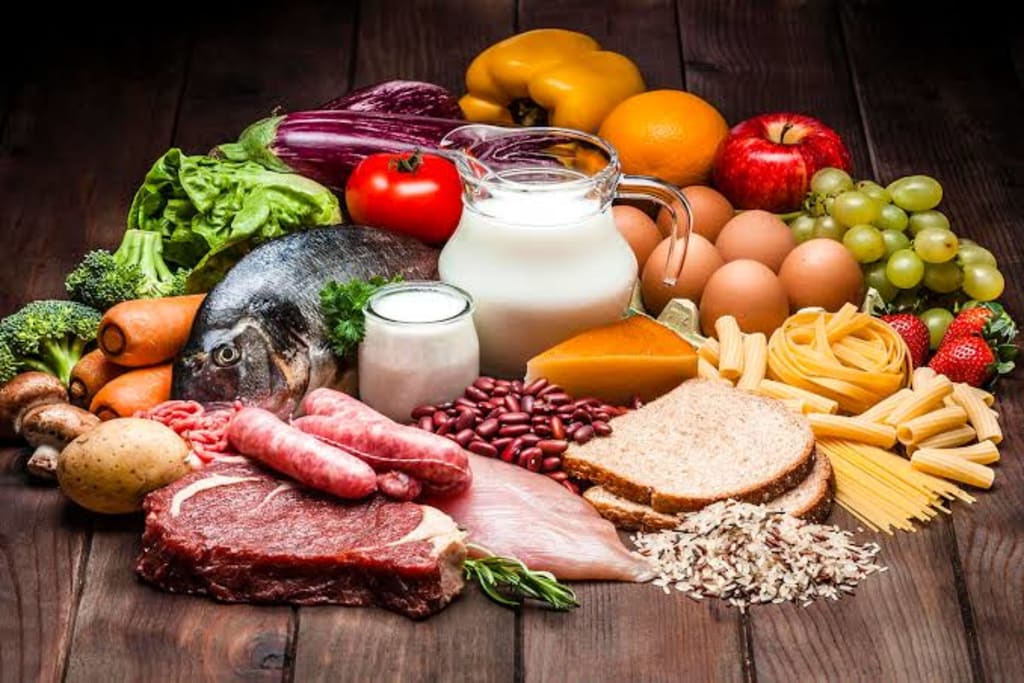
Diet refers to the sum of food and drink consumed by an individual or a group of people. It encompasses the specific types and quantities of food consumed regularly to meet nutritional needs and maintain health. The term "diet" can be used to describe both the overall eating pattern of an individual or a specific plan followed for a particular purpose, such as weight management or addressing specific health concerns.
A diet typically includes a variety of foods from different food groups, such as fruits, vegetables, grains, protein sources (meat, fish, legumes), dairy or dairy alternatives, and fats. The composition of a diet can vary based on cultural, personal, or dietary choices, as well as individual needs and goals.
A healthy diet is one that provides adequate nutrition and supports overall well-being. It should be balanced, consisting of a variety of foods in appropriate proportions. A balanced diet typically includes whole foods that are rich in essential nutrients, such as vitamins, minerals, proteins, carbohydrates, and healthy fats.
It's important to note that "diet" should not be confused with restrictive or fad diets that often promote rapid weight loss or focus on specific food groups while neglecting others. Such diets may not provide balanced nutrition and can be unsustainable or even harmful. It's generally recommended to consult with a healthcare professional or registered dietitian before making significant changes to your diet or adopting a specific eating plan.
A good diet refers to a balanced and nutritious eating pattern that provides all the essential nutrients your body needs to function optimally. It promotes overall health, supports proper growth and development, and helps prevent chronic diseases. Here are some key principles of a good diet:
1. Balance: Include a variety of foods from different food groups in your diet, such as fruits, vegetables, whole grains, lean proteins, and healthy fats. This ensures you get a wide range of nutrients.
2. Moderation: Practice portion control and avoid excessive intake of calorie-dense foods, sugary snacks, processed foods, and beverages high in added sugars. Enjoy these items occasionally and in moderation.
3. Adequacy: Ensure your diet provides all the essential nutrients, including carbohydrates, proteins, healthy fats, vitamins, and minerals. This can be achieved by incorporating a variety of whole foods into your meals.
4. Nutrient-Dense Foods: Choose foods that are rich in nutrients and provide the most nutritional value per calorie. Include plenty of fruits, vegetables, whole grains, lean proteins, legumes, nuts, and seeds in your diet.
5. Hydration: Drink an adequate amount of water throughout the day to stay hydrated. Limit the intake of sugary drinks and alcohol.
6. Minimize Processed Foods: Reduce the consumption of highly processed and packaged foods that are often high in added sugars, unhealthy fats, and sodium. Instead, focus on whole, minimally processed foods.
7. Mindful Eating: Pay attention to your body's hunger and fullness cues. Eat slowly and mindfully, savoring each bite. This can help prevent overeating and promote better digestion.
8. Personalization: Adapt your diet to your individual needs, taking into account factors such as age, sex, activity level, and any specific dietary requirements or restrictions you may have.
It's important to note that everyone's nutritional needs and dietary preferences are unique. Consulting with a registered dietitian or a healthcare professional can provide personalized guidance and help develop a good diet plan tailored to your specific needs.
Remember, a good diet is not a short-term solution but a long-term and commitment to a healthy lifestyle.
Maintaining a good diet is essential for overall health and well-being. Here are some general principles for a healthy and balanced diet:
Eat a variety of foods: Include a wide range of fruits, vegetables, whole grains, lean proteins (such as poultry, fish, beans, and tofu), and healthy fats (found in nuts, seeds, avocados, and olive oil) in your diet. This ensures you receive a diverse array of essential nutrients.
Consume plenty of fruits and vegetables: These are rich in vitamins, minerals, and antioxidants. Aim for at least five servings of fruits and vegetables per day to support your immune system, promote good digestion, and reduce the risk of chronic diseases.
Choose whole grains: Opt for whole grain products like whole wheat bread, brown rice.
About the Creator
A Dart at Dusk
Seconds ago, the sullen sun set on the two of us… my exuberant furry companion and me. A fresh breeze embraces us, delivering welcome relief from the day’s oppressive heat. His typical stumbling and staggering along — apace with a sloth — has turned into trip-trapping, high-stepping, almost skipping along.
By Angie the Archivist 📚🪶6 days ago in Petlife



Comments
There are no comments for this story
Be the first to respond and start the conversation.