
Antibiotics Are Dwindling, And We Cannot Afford This Loss.
Local healthcare systems nationwide are at risk of no longer functioning as they once did. The issue is that physicians and nurses are running out of antibiotics to treat their patients, and the costs of delay endanger the health and financial well-being of every American.

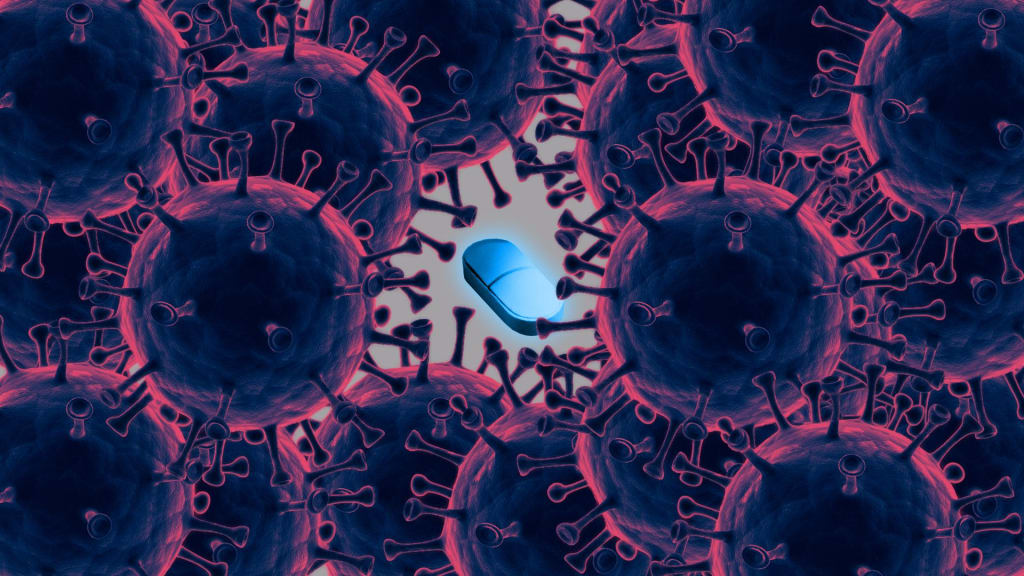
Antimicrobial resistance (AMR) arises when bacteria and fungi gain the capacity to withstand medications that are intended to kill them. AMR raises major public health issues, especially given the diminishing development pipeline for new antimicrobial medications.
If safe and effective antibiotics disappear, novel medical therapies will have to be revisited, and decades of medical technology breakthroughs that improve people's health outcomes will be undone. Everyone will be affected by the magnitude of the healthcare system disruption that would result from the absence of this infection prevention mechanism.
AMR is a threat not just to health but also to finances and national security. Drug-resistant illnesses necessitate more care and longer hospital stays, which raises expenses for key government health programs and individuals. Every year, antibiotic-resistant illnesses are predicted to cost the US economy $20 billion in direct health care expenses and $35 billion in lost productivity. Patients eventually bear these expenditures since resistant illnesses increase their overall health-care costs by approximately $1,400.
However, the most significant expenses will arise when doctors no longer adhere to medical norms for patient care. Cancer physicians will be hard-pressed to suggest treatment without antibiotics to keep their patients safe from infection. Many surgical treatments will be prohibitively dangerous to conduct. The costs of contemplating new medical norms are immeasurable. We know this situation will worsen. Russia's conflict in Ukraine is generating a nightmarish situation in which a rising number of drug-resistant illnesses endanger individuals in European countries. These illnesses will soon reach the United States' coasts. AMR is already killing more people worldwide than HIV. How long should the United States wait before acting?
Medical experts aim to minimize antibiotic prescribing because they are concerned about overuse, which leads to increasing AMR. With so many generic versions currently on the market, firms' economic incentives to create antimicrobials are constrained.
In reality, no new antibiotic classes have been identified since the 1980s, and seven of the twelve businesses that successfully introduced new antibiotics to the market in the last decade went bankrupt or departed the industry due to weak sales. Worse, our competitors have acquired many of these insolvent enterprises and now own the intellectual property. That's a slippery slope to criminal behavior on their behalf.The typical development, approval, and production time of 10 to 15 years adds to the issue.
I cannot picture American health care without an efficient infection control system.
That's why there is the PASTEUR Act. The PASTEUR Act is an important step toward a healthy future for America. It would establish a subscription-based pricing scheme that is unrelated to the number of antibiotics sold. This solution will help strengthen medication developers' economic incentives by ensuring a consistent income stream in an environment where the objective is to keep prescriptions low.
Millions of Americans take antibiotics daily. The PASTEUR Act has the potential to save billions of dollars in AMR expenses by rejuvenating the discovery of new antibiotic wonder medicines such as Penicillin. Supporting and promoting this legislation can assist in ensuring a more promising future for the public's health and our economy.
Congressman Drew Ferguson conducted a roundtable discussion with colleagues from the House Budget Committee to discuss the difficulties and costs of AMR, as well as policy options such as the PASTEUR Act. They heard from health economists from the Congressional Budget Office, specialists in antibiotic drug research and finance, that infectious disease doctors must contend with the lack of antibiotics on the front lines of patient care.
Some problems in Congress remain nonpartisan, regardless of the intensity and tone of the political debate. Solving AMR is one such problem. Drew Ferguson is looking forward to working with colleagues from all sides of the aisle to make AMR a reality.
About the Creator
Ryan
Write whatever I like :))
Reader insights
Nice work
Very well written. Keep up the good work!
Top insight
Eye opening
Niche topic & fresh perspectives
Thief In The Night
To the thief in the night that took and replicated what once was mine: Honestly, I feel kind of bad for you. It’s funny, because we hardly know each other. I only know of you through the magazines you’ve written and the broadcasts you have televised in the past — as well as through the public mentions of you from your show business connections there.
By Snarky Lisa6 days ago in Humans
Co-Living Impacts Dating Dynamics Communication And Emotional Connection Significantly
Dating is greatly affected by co-living, in which couples or partners live together in one house. It brings about quick intimacy and interaction in real life and one gets a chance to learn about routines, habits, and preferences. Shared space brings intimacy as well as it reveals the possible difference of lifestyle including cleaning, schedules, and personal boundaries.
By Mark Hipster5 days ago in Humans




Comments (1)
Excellent and educative piece