
ANGRY MIND WITH CALM DECISION
Calm decisions when you are in an angry mindset can be challenging, But it's not impossible, It's essential to avoid acting impulsively and making choices you might later regret ...
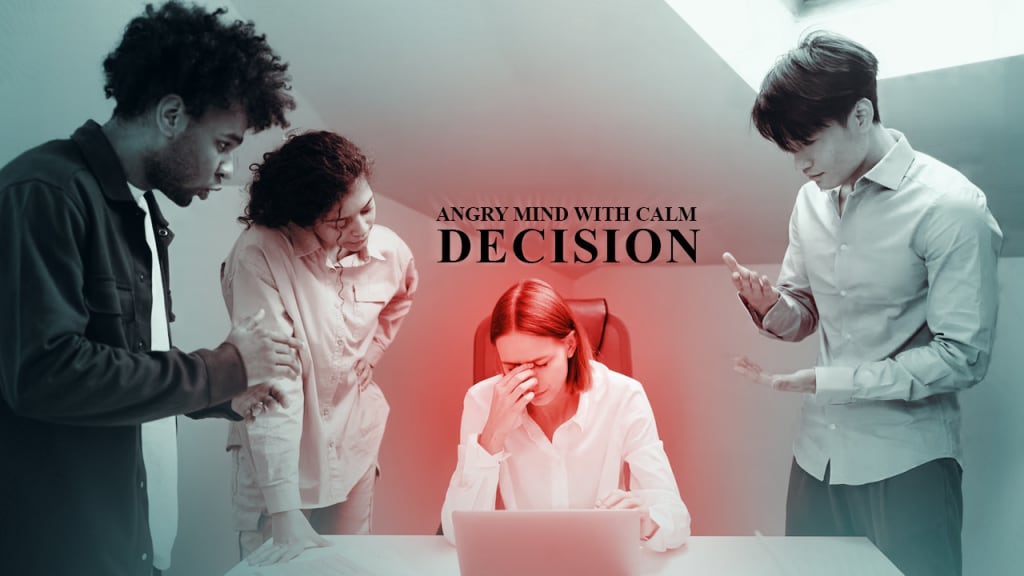
First at of all what is angry mindset ?
Angry mindset is just challenging emotion to deal with. Anger is a natural and normal human emotion, but it's essential to manage it in a healthy way to avoid negative consequences for yourself and others. Here are some tips for dealing with an angry mindset.
Recognize and acknowledge your anger, then first step is to be aware that you are feeling angry. Acknowledge the emotion without judgment, as it's a natural response to certain situations. When you feel anger rising, practice deep breathing techniques to calm your nervous system. Deep, slow breaths can help relax your body and mind. JUST TAKE DEEP BREATHS. If possible, remove yourself from the source of anger temporarily. Taking a break can give you some space to cool down and think more clearly. Communicate your feelings to the person or people involved in a calm and assertive manner. Avoid shouting or using aggressive language, as this can escalate the situation. Try to put yourself in the other person's shoes to gain a better understanding of their perspective. This can help reduce anger and create a more compassionate approach to resolving conflicts. Instead of dwelling on the anger itself, focus on finding solutions to the underlying issues that triggered your anger. Exercise can be an excellent way to release pent-up energy and reduce stress, helping to alleviate anger. Explore relaxation techniques such as meditation, mindfulness, or progressive muscle relaxation to manage anger more effectively.
Angry and calm are two contrasting emotional states that people experience
Emotional Anger is a strong and intense emotion characterized by feelings of irritation, frustration, or hostility. It often involves a surge of adrenaline, leading to increased heart rate and blood pressure. Emotional Calmness is a state of emotional tranquility and relaxation. It is characterized by a lack of agitation or intense emotional arousal. Physical Response Anger can lead to physical responses like clenched fists, tense muscles, increased breathing rate, and a flushed face. Calmness typically results in relaxed muscles, normal breathing, and a composed facial expression. Thought Process When angry, people might experience racing or intrusive thoughts, difficulty concentrating, and a narrowed focus on the source of their anger.But calm state, individuals are more likely to think clearly, have a broader perspective, and be open to considering various aspects of a situation. Decision-Making while angry tends to be impulsive, driven by emotions, and can lead to choices that are regrettable in hindsight. Calm decision-making is more rational, thoughtful, and less influenced by immediate emotions, leading to more considered and measured choices. Communication during anger may involve shouting, aggressive language, and a confrontational tone. Calm communication is characterized by a moderate tone of voice, active listening, and a willingness to understand and respect the other person's perspective. Behavior Anger can lead to aggressive behavior, outbursts, or actions that are intended to harm or retaliate against others. Calm behavior is non-threatening and composed, demonstrating self-control and emotional maturity. Impact on Relationships Anger can strain relationships, lead to conflicts, and make it challenging to resolve differences constructively. Calmness fosters healthier interactions, better understanding, and the ability to address conflicts peacefully. Physical and Mental Health Frequent anger and unresolved anger issues can have adverse effects on both physical and mental health, leading to stress-related problems. A calm state of mind is associated with reduced stress levels, improved mental clarity, and overall well-being. Managing anger and cultivating a sense of calmness can positively impact one's emotional health, relationships, and decision-making abilities. Practicing techniques to stay calm during challenging situations can lead to better outcomes and a more balanced emotional state.
A calm reaction refers to responding to a situation or an event in a composed, collected, and controlled manner. It involves managing emotions effectively and choosing a measured response rather than reacting impulsively or aggressively. a calm reaction is a sign of emotional intelligence and self-control. It fosters healthier relationships, effective communication, and more positive outcomes in various aspects of life. While it may not always be easy to maintain a calm demeanor, practicing mindfulness, deep breathing, and self-awareness can help cultivate calmer reactions in challenging situations.
Best Thing Of Calm Decision
Clarity and Rationality: Calm decisions are less clouded by strong emotions, allowing you to think more clearly and rationally. This clarity enables you to weigh the pros and cons of various options objectively. Reduced Impulsivity: When you're calm, you are less likely to act impulsively or make snap judgments. Instead, you take the time to consider the consequences and potential impact of your decisions.then Less Regret: Decisions made in a calm state of mind are often more aligned with your values and long-term goals. This reduces the likelihood of making choices that you might regret later. most impornt part Improved Problem Solving: Calm decision-making fosters better problem-solving skills. You are better equipped to analyze complex situations and find practical solutions. Enhanced Communication: A calm mindset allows for more effective and respectful communication with others. It helps prevent conflicts and misunderstandings during discussions and negotiations. Emotional Well-being: Making calm decisions can contribute to better emotional well-being. It reduces stress, anxiety, and the negative impact of impulsive actions on your mental health. Building Trust: When you consistently make calm decisions, others are more likely to trust your judgment and leadership. It can strengthen relationships and foster a positive reputation. Adaptability: A calm mindset allows you to adapt to changing circumstances more effectively. You can navigate challenges and unexpected situations with composure. Long-term Vision: Calm decisions often consider the long-term consequences and benefits. They align with your overall vision and goals, leading to more consistent progress. Conflict Resolution: Calm decision-making is crucial in resolving conflicts and disputes. It facilitates open dialogue and finding common ground for a resolution. Increased Confidence: When you make decisions calmly and thoughtfully, you develop greater confidence in your ability to handle challenging situations effectively. Better Learning Experience: Calm decisions enable you to learn from your experiences, both positive and negative, without being overwhelmed by emotions. This leads to personal growth and self-improvement.
making calm decisions is an essential life skill that can positively impact various aspects of your life. It allows you to navigate challenges with composure, make well-informed choices, and maintain better relationships with others. Practicing mindfulness, self-awareness, and emotional regulation can help you cultivate a calmer mindset for decision-making.
About the Creator
Keep reading
More stories from the author and writers in Humans and other communities.
Myth of Illusions
What is History Say About Ilusions One of the most famous allegories in Western philosophy comes from Plato's "Republic." In this allegory, Plato describes a group of prisoners chained inside a cave, facing a wall. They can only see the shadows of objects cast on the wall by a fire behind them. The prisoners mistake these shadows for reality. When one prisoner is freed and ventures out of the cave, he experiences the true world and realizes that the shadows were mere illusions. The allegory explores the idea that our perceptions of reality can be limited or distorted, and true knowledge requires a deeper understanding.
By the author 2 years ago in Fiction
Lost and Alone in the French Alps
Looking back, I can trace some of my life’s biggest adventures to a simple action from my sister. She’d introduced me to Tommy (a very long time ago), a colleague of hers, who had overshared his penchant for Italian-looking women, and I ticked that box.
By Chantal Christie Weiss20 days ago in Humans



Comments