
Why Emergency Reversal Medications Do Not Work the Same for Every Drug
Do Not Work the Same for Every Drug
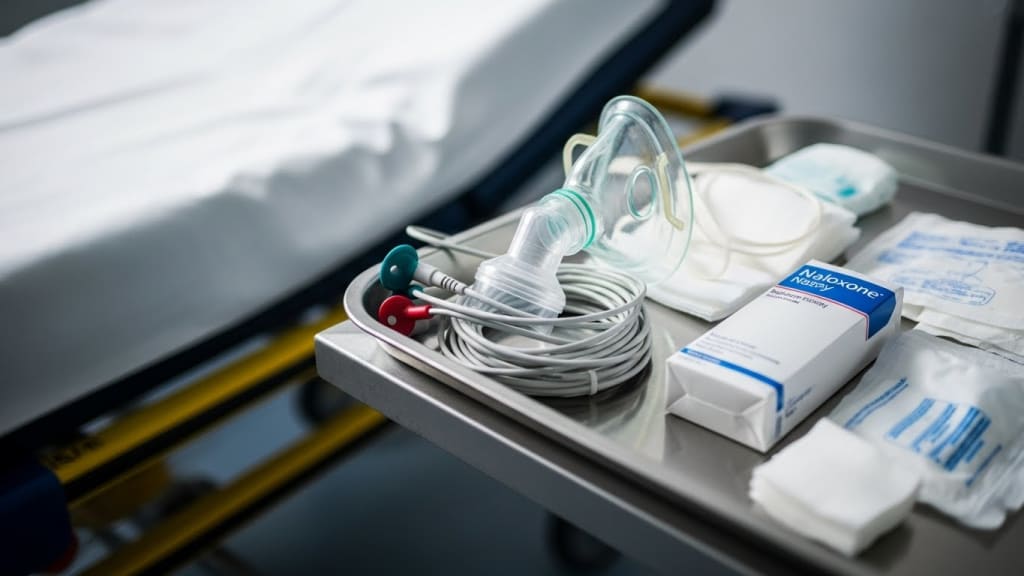
In an overdose emergency, it is natural to hope that one medication can reverse every situation, but the reality is far more complex than most people realize.
I often speak with people who assume that if naloxone can save lives, it should work for any drug overdose. That belief is understandable, especially with how widely naloxone is discussed. However, emergency reversal medications are designed for very specific mechanisms in the body, and not all drugs affect the brain in the same way. Understanding these differences can help you respond more effectively and avoid dangerous assumptions.
How Emergency Reversal Medications Are Designed
Emergency reversal medications are created to target specific receptors in the brain or nervous system. They are not universal antidotes.
Naloxone, for example, is designed to reverse opioid overdoses by blocking opioid receptors. When opioids slow or stop breathing, naloxone can rapidly restore respiration by pushing opioids off those receptors.
As one emergency physician explains, “Reversal medications work when they match the drug’s pathway, not just the symptoms.”
Why Naloxone Works for Opioids but Not Other Drugs
Opioids have a specific target
Opioids such as heroin, fentanyl, and oxycodone bind to opioid receptors that directly affect breathing. Naloxone works because it has a stronger attraction to those same receptors.
When naloxone is present, it interrupts the opioid’s effect and allows normal breathing to resume.
Other drugs act on different systems
Drugs like ketamine, benzodiazepines, alcohol, or stimulants do not rely on opioid receptors in the same way. Ketamine affects glutamate pathways. Alcohol impacts multiple neurotransmitters. Stimulants act on dopamine and norepinephrine.
Because naloxone does not interact with those systems, it cannot reverse their effects when opioids are not involved.
Why Mixed Substance Overdoses Change the Picture
In real life, many overdoses involve more than one substance. Someone may use opioids alongside alcohol, benzodiazepines, or ketamine.
In these cases, naloxone may partially help by reversing the opioid portion of the overdose, but other drug effects can remain. Breathing may improve, yet sedation, confusion, or heart complications may continue.
This is why emergency responders often administer naloxone even when the substance is unknown, but still treat the situation as a medical emergency.
If you want a clearer explanation of this distinction, this guide on whether naloxone reverses ketamine effects explains why naloxone helps in some scenarios and not others.
What Emergency Reversal Medications Cannot Do
Reversal medications do not remove drugs from the body. They do not prevent complications like aspiration, heart rhythm problems, or delayed sedation.
They also do not last very long. Naloxone, for example, is active for a shorter time than many opioids. Once it wears off, overdose symptoms can return if medical care is not provided.
This is why emergency treatment does not end with reversal.
Why Calling Emergency Services Is Always Necessary
Even if someone wakes up after receiving naloxone, emergency care is still critical. Medical professionals monitor breathing, oxygen levels, heart function, and watch for rebound overdose.
Waiting to see if someone improves on their own can be dangerous. Reversal medications are a bridge to care, not a replacement for it.
Public Health Guidance on Overdose Response
Education around overdose response emphasizes that no single medication works for all drugs.
According to guidance from the Substance Abuse and Mental Health Services Administration, naloxone is effective only for opioid overdoses and should always be paired with emergency medical evaluation. This reinforces why understanding drug specific responses matters.
Why Misinformation Can Increase Risk
When people believe reversal medications are universal, they may delay calling for help or underestimate the severity of an overdose.
Clear information reduces panic and improves decision making. Knowing what a medication can and cannot do helps you act quickly and responsibly.
Preparedness saves lives, but only when it is paired with accurate understanding.
Final Thoughts
Emergency reversal medications do not work the same for every drug because drugs affect the brain in very different ways. Naloxone is lifesaving for opioid overdoses, but it cannot reverse substances that act outside opioid receptors.
I believe the most important takeaway is this. Reversal medications are powerful tools, but they are not magic fixes. Understanding their limits helps you respond with clarity instead of false reassurance. When you treat every overdose as a medical emergency and use reversal medications appropriately, you give people the best possible chance to survive and recover.
About the Creator
Keep reading
More stories from Jordyn Mastrodomenico and writers in Humans and other communities.
What Are the Top Things to Do in Puerto Plata Dominican Republic
The first time I arrived in Puerto Plata, I was immediately struck by the combination of golden beaches, vibrant culture, and lush mountains. It’s one of those destinations where every corner offers something memorable, and you quickly realize that planning ahead can make your trip even more special.
By Amanda Glena day ago in Humans


Comments
There are no comments for this story
Be the first to respond and start the conversation.