
Alcohol addiction – Signs and recovery
Alcoholism is a disease that may be caused by genetics, brain chemistry or other factors.
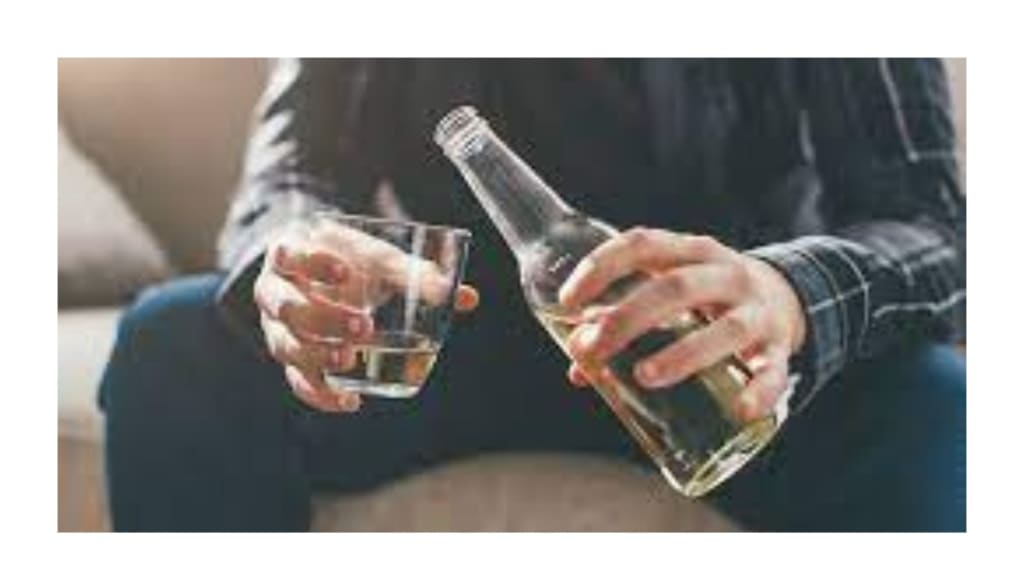
There are many different types of alcohol addiction. The most common is alcoholism, which means that the person continues to use alcohol despite the negative consequences. Alcoholism is a disease that may be caused by genetics, brain chemistry, or other factors.
Alcoholism can cause life-threatening health problems and death, especially for people with a family history of alcoholism. It can also result in relapses and make recovery more difficult. If you're an alcoholic, you must get help now.
How does alcohol addiction happen?
The causes of alcoholism are complex and varied but can be traced back to the brain’s reward system. The brain’s reward system includes three structures: the amygdala, which registers fear and danger; the nucleus accumbens, which registers pleasure; and the ventral tegmental area (VTA), which registers pleasure and reward. Alcohol activates dopamine receptors in these regions.
The VTA is particularly important for alcohol addiction because it sends signals to the rest of the brain that causes drinking behavior. Alcohol activates dopamine receptors in this area, causing a release of feel-good chemicals called endorphins, which provide a sense of joy or euphoria that’s addictive.
Also, when people drink alcohol in moderation and enjoy its effects, they don’t experience withdrawal symptoms when they stop drinking. But if someone drinks heavily regularly — or if they develop an addiction to alcohol — their brain’s reward system becomes dependent on alcohol for its normal functioning. This creates a biological compulsion to drink alcohol even though it causes harm to your health and relationships with loved ones.
What happens after alcohol addiction?
Alcoholism is a chronic disease that affects the brain, liver, and other organs. It's also called alcohol use disorder, alcohol dependence, or alcoholism.
It can develop over time. With repeated use of alcohol (drinking), your body builds up a tolerance to the effects of alcohol and you need more to get the same effect. Or you may develop a physical dependence on the drug. This means you need to drink more to get the same effect and if you stop drinking, you feel withdrawal symptoms such as sweating, shakiness, nausea, and vomiting known as acetone intoxication. It is due to your body craving more alcohol to alleviate these symptoms.
Alcohol addiction affects millions of people worldwide each year. It's believed that many people who drink heavily don't realize they have an addiction until they're already in trouble with their problems resulting from drinking.
It is a disease characterized by compulsive and uncontrolled consumption of alcoholic beverages that results in behavioral and social problems. Alcohol abuse is often a downward spiral leading to death, both from unhealthy effects on the human body and from accidental injuries suffered while intoxicated.
Alcoholism is a physical dependence on alcohol characterized by a craving for alcohol, a loss of control over its consumption, and an inability to stop drinking. Alcoholism may lead to various health problems and even death.
Consequences of addiction
Alcohol abuse is a public health problem and can lead to a variety of health problems and even death. It is a type of alcohol use disorder that can develop from heavy drinking. This means that you may be at risk for developing alcohol dependence if you continue to drink despite negative consequences, such as:
- Losing control over how much and how often you drink.
- Feeling restless, agitated, or anxious when you're not drinking
- Experiencing withdrawal symptoms when you stop drinking.
- Alcohol addiction ruins family
- Alcohol addiction destroys your family life. Your children become alienated from you, and their loss of contact is a blow to your heart. They are afraid of you, and sometimes even resentful.
- Your spouse may leave you because she doesn't want to live with an alcoholic. Or he may stay but resent your drinking and feel that he has to put up with it.
You can never be sure what will happen next. Your life can be thrown into turmoil by the slightest event, such as a party where someone gets drunk and spills his drink on your clothes or gets into an argument with someone else at the party and causes a fight outside.
If you are married, one of you may start drinking again after you have gone dry for many years; or if one of you starts drinking, both of you may get hooked on alcohol just as before.
Due to your excessive drinking, you run the risk of losing a lot of jobs as well as losing custody of your kids if they were raised by family members, while their biological parents were either in jail for drunk driving accidents or in foster homes.
Alcohol addiction destroys your family life
Alcohol addiction can ruin your relationship with your partner, your children, and even your parents. It can damage your work or school and lead to criminal behavior. Alcohol dependency is a vicious cycle that has no end in sight, as the body becomes used to the effects of alcohol and requires more and more to get the same high. This leads to an increase in hangovers which means less sleep and less energy for everyday tasks.
The impact on families is huge. Family life is disrupted by arguments caused by drinking, drunkenness causes problems at home, children are left in the care of grandparents while parents are at the pub or club, and domestic violence increases if there is alcoholism within a relationship due to social pressures to drink too much, and there are increased risks of depression if both partners drink excessively together.
Alcohol addiction destroys your family life. If you are an alcoholic, your family will be affected in many ways.
Your children will not want to spend time with you. They will have to deal with their feelings of grief and anger. They may feel angry at you because they feel you are not taking care of them anymore. This can lead to problems in their relationships as well as their drinking problems.
If you have children who suffer from alcoholism, they may not be able to attend school because they are too tired from working all day long while trying to hide from their parents' alcohol problems.
When you have a drinking problem, the whole family suffers.
Effects of alcoholism on your family
You can't be emotionally present in your marriage. You're always thinking about your next drink or how much money you spent at the bar last night.
You lose interest in activities that used to bring you joy, like fishing, playing music, or going to church.
Your behavior becomes erratic and unpredictable — sometimes good, sometimes bad. You might be nice one minute and mean the next, or you might act normally one day and then snap at someone for no reason another day.
You may start stealing from your kids' piggy banks to buy beer or wine when they're not around so they won't know what's going on in their house.
Your family members may also begin drinking more than usual, causing even more problems for everyone involved. Your spouse or partner may feel trapped by the situation, unable to leave due to financial difficulties or other commitments such as work or school obligations.
Conclusion
Alcoholism is classified as a disease and it's a progressive illness that becomes worse if left untreated. It is a disease that can affect anyone, regardless of race or gender. Alcohol abuse can lead to a variety of health problems and even death. Alcoholism is a devastating disease that causes severe harm to both the body and the mind.
Alcohol dependency also affects employment, as some people have been known to lose their jobs after becoming dependent on alcohol. This can be due to absenteeism or being late for work due to hangovers, but also because workers may be too drunk to perform at their best level when they do return after being off sick or having been suspended
About the Creator
Keep reading
More stories from Julie Jerlin J and writers in Humans and other communities.
Drug addiction – Problems and recovery
Addiction has a variety of types. They're all forms of overusing or relying on drugs, alcohol, and other substances in a harmful way. Different people have different reactions to addiction which is why it's so hard to classify. Some of the most common addictions are: alcohol addiction, nicotine addiction, caffeine addiction, and drug addiction.
By Julie Jerlin J3 years ago in Humans
Building Healthy Relationships Requires Trust Patience And Mutual Respect Always
Any healthy relationship is built on trust. Emotional intimacy, communication and stability are lost without trust. With such partners, a strong base is developed on which both partners feel safe and appreciated, as they will be honest, reliable, and transparent. The problem of earning trust rests on being honest and communicating freely in the long term.
By Robert Smith6 days ago in Humans
Early March 2026: 4 Goals Accomplished
It's early March and I've now accomplished my 4th writing goal for the year of 2026. Before diving into the behind-the-scenes of it... why not tell you up front what that accomplishment was? I was published in a 2nd publication for this year. Published in Helix Literary Magazine out of Central Connecticut State University. You can read it for free right now!
By Stephen Kramer Avitabile7 days ago in Writers


Comments
There are no comments for this story
Be the first to respond and start the conversation.