
ADHD Awareness: Recognizing Symptoms and Seeking Proper Medical Care
ADHD Awareness
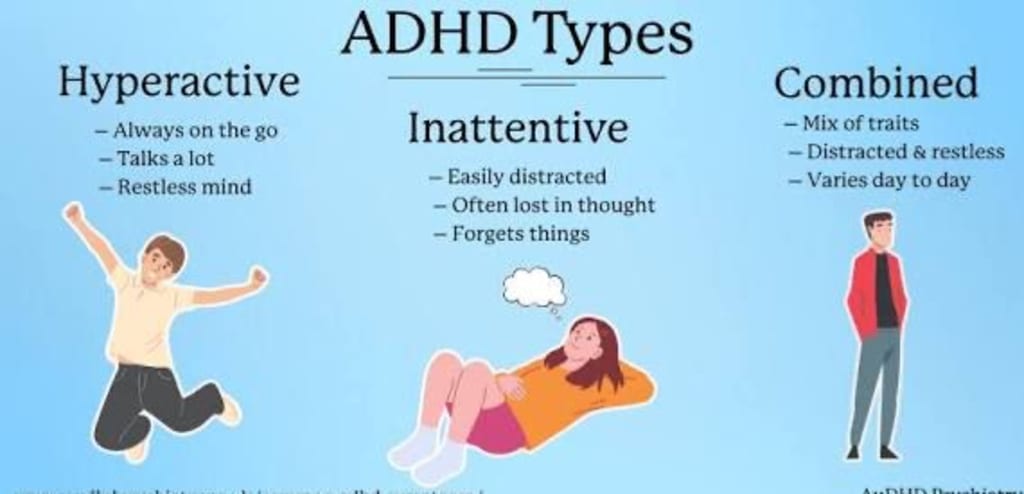
Attention Deficit Hyperactivity Disorder (ADHD) is a neurodevelopmental disorder that often begins in childhood and can continue into adulthood. It is characterized by persistent patterns of inattention, impulsivity, and hyperactivity. As the prevalence of ADHD increases, it is essential to raise awareness, understand the symptoms, and seek proper medical care for effective management. This article will delve into these aspects of ADHD to provide you with a comprehensive understanding of the disorder.
Understanding ADHD
ADHD is one of the most common neurodevelopmental disorders in children. However, it is not confined to childhood and can persist into adulthood. The symptoms of ADHD can interfere with a person’s ability to function at school, work, and in social situations. It is characterized by three primary behaviors: inattention, hyperactivity, and impulsivity. These behaviors can manifest in different ways and vary in severity.
Despite the significant disruption ADHD can cause, it is often misunderstood or overlooked. This lack of understanding can lead to delayed diagnosis and treatment, which can exacerbate the symptoms and impact a person’s quality of life. Hence, it is crucial to raise ADHD awareness, recognize its symptoms, and seek proper medical care.
Recognizing The Symptoms of ADHD
ADHD symptoms can be grouped into two categories: inattention and hyperactivity/impulsivity. Symptoms can vary among individuals and across different stages of life. They can also fluctuate in severity and frequency, which often makes diagnosis challenging.
Inattention symptoms may include difficulty sustaining attention, trouble organizing tasks, and a tendency to make careless mistakes. On the other hand, hyperactivity symptoms may manifest as excessive fidgeting, non-stop talking, and an inability to stay still. Impulsivity symptoms can include impatience, difficulty waiting for their turn, and interrupting others.
For a more detailed list of symptoms and how they manifest, you can refer to these ADHD educational resources.
Importance of Early Diagnosis
Early diagnosis of ADHD is critical as it allows for early intervention, which can significantly improve the prognosis. An early diagnosis can help children and adults learn to manage their symptoms and reduce the impact of ADHD on their daily lives.
However, diagnosing ADHD can be complex, and it requires a thorough evaluation by a healthcare professional. It is not enough for a person to exhibit some of the symptoms; these symptoms must be chronic, impair daily functioning, and occur in more than one setting (such as at home and school).
For more information on ADHD diagnosis, you can visit this ADHD diagnosis information page.
Common Disadvantages of ADHD Medications
ADHD medications, primarily stimulants (e.g., Adderall, Ritalin/methylphenidate) and non-stimulants (e.g., Strattera/atomoxetine, guanfacine), effectively manage symptoms for many people. However, they carry potential drawbacks, varying by individual, dosage, and medication type. Side effects often improve with adjustments or over time, but some persist.
Common Side Effects (Mostly Short-Term)
• Decreased appetite and weight loss — Frequent with stimulants, leading to nutritional concerns, especially in children.
• Sleep problems (insomnia or difficulty falling asleep) — Common across both types; stimulants may cause rebound hyperactivity when wearing off.
• Headaches and stomachaches — Often reported, particularly gastrointestinal issues like nausea.
• Mood changes — Irritability, jitteriness, anxiety, mood swings, or emotional blunting (“zombie-like” feeling).
• Increased heart rate and blood pressure — Stimulants raise these slightly; monitoring is recommended for those with heart conditions.
• Other effects — Dry mouth, dizziness, fatigue (more with non-stimulants), or tics in rare cases.
Potential Long-Term Concerns
• Growth suppression in children → Stimulants may slow height/weight gain temporarily (first 1-3 years), though most catch up later; evidence is mixed on final adult height.
• Cardiovascular risks → Long-term use (especially >3-5 years) links to slightly higher risk of hypertension, arterial disease, or other CVD; increases are small but dose-dependent. No major evidence of severe events like sudden death in typical use, but caution advised for at-risk individuals.
• Tolerance or reduced effectiveness → Some need dose increases over time; “rebound” symptoms can worsen when medication wears off.
• Mental health effects → Rare risks include worsened depression, psychosis (higher with amphetamines), or suicidal thoughts (noted with atomoxetine).
Other Drawbacks
• Abuse and misuse potential — Stimulants are controlled substances with risk of dependence or diversion, especially in those with substance use history (non-stimulants have lower risk).
• Rebound or crash effects — Short-acting stimulants can cause energy dips, irritability, or increased hunger when wearing off.
• Not a cure — Symptoms return without medication; no evidence of permanent brain changes or cure.
• Cost and access — Some formulations are expensive; shortages (e.g., stimulants) can disrupt treatment.
Many side effects are manageable by switching medications, adjusting doses, or adding supportive therapies. Long-term studies generally show benefits outweigh risks for most, with no major negative health effects in decades of use for many outcomes. Always consult a healthcare provider for personalized advice, as individual responses vary.
About the Creator
Keep reading
More stories from Dwayne Lindsay and writers in Humans and other communities.
An Informational Guide to Psychedelics: Effects, Uses, Research, and Safety
Interest in psychedelics has grown significantly in recent years as researchers, mental health experts, and the public explore their potential effects on the mind and body. Although the phrase “Buy psychedelics” often appears in online searches, it’s important to understand that psychedelics are controlled substances in many countries, and their use or possession may be restricted by law. This article provides a clear, factual overview of what psychedelics are, how they work, their potential medical research applications, and the risks involved.
By Dwayne Lindsay28 days ago in Humans
Charleston White and the Cost of Being Loud in a Tired Culture
Some names spark instant reaction, and Charleston White is one of them. Say his name and people feel something right away. Anger, curiosity, discomfort, or agreement. Rarely indifference. In an internet culture driven by attention, Charleston White stands out not because he whispers, but because he refuses to soften his voice. He speaks in ways that feel raw, offensive to some, and honest to others. His rise has not followed a traditional path. There is no clean image or careful messaging. Instead, there is confrontation, contradiction, and controversy. To understand why Charleston White matters right now, we have to look beyond viral clips and outrage. His story says something deeper about pain, accountability, and a society unsure how to handle uncomfortable truth.
By Muqadas khana day ago in Humans
Miss Persephone's Manual to a Seemingly Ordinary Life
Miss Persephone was found at the dining table, her blue eyes swollen, her tears arriving and retreating like the tides of the ocean. Earlier that day, her family had visited her in the retirement home where she had lived for eight years. It was her eightieth birthday.
By Imola Tótha day ago in Fiction



Comments
There are no comments for this story
Be the first to respond and start the conversation.