
A Nation in Pain: The Silent War on Pashtuns: Read this article and raise your voice for the oppressed
Uncovering the Silent Suffering of Pashtuns Amid Military Operations — and the Urgent Need for Unity Across Tribal and Regional Lines

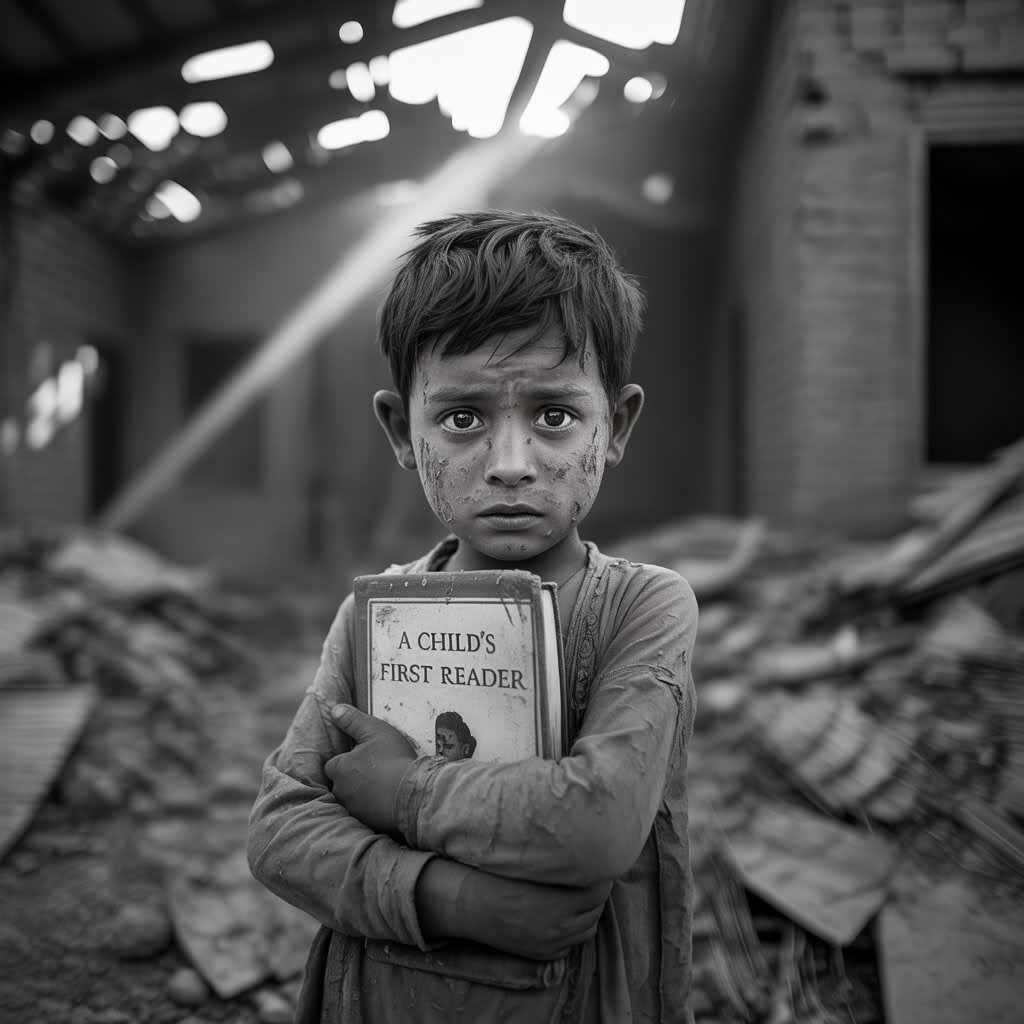
Read this article and raise your voice for the oppressed
In the shadowed valleys and dusty plains of Khyber Pakhtunkhwa, a quiet war continues to rage — one that rarely finds space in the national or international headlines. In recent days, the violence has intensified yet again. In Dera Ismail Khan, five young children from a poor Pashtun family were severely injured by mortar shelling allegedly carried out by the Pakistani military. In Khyber’s Tirah Valley, reports have emerged of a young, innocent man being killed by indiscriminate army fire. In Bannu’s Janikhel, a protest sit-in continues alongside the body of a deceased local, while in Miryan, Bannu, people demand the safe return of a kidnapped teacher, Irfan.
These are not isolated incidents. In the past several days alone, at least 44 Pashtuns — including 18 children under the age of ten — have been injured, maimed, or martyred due to military operations such as drone strikes, mortar attacks, and ground assaults in Bajaur, Tirah, North Waziristan, Janikhel, Tank, and Dera Ismail Khan.
What makes this situation more heartbreaking is the selective empathy shown by both the state and even some within the Pashtun community. When peace in Punjab is threatened, the state mobilizes all its forces — not just military but also narrative-building machinery. Even Pashtun leaders stand shoulder to shoulder in support of Punjab, declaring with unity, “We may have internal differences, but on matters of national security, there will be no compromise.” The tone changes, however, when the same security forces are accused of violating the rights of Pashtuns. Suddenly, the narrative of unity disappears. Even some Pashtun leaders turn their backs on their own people, distancing themselves from movements that have been built with unimaginable sacrifice — sacrifices that include youth imprisoned without trial, families destroyed, and lives lost.
This silence is not just disappointing — it is dangerous.
One of the most harmful attitudes seen in our society is the tendency to acknowledge only the suffering that happens in one’s own backyard. Many people raise their voices only when their village, their town, or their district is directly affected, and choose silence when others — even fellow Pashtuns — face brutality. How many from Dera Ismail Khan stood up when atrocities were committed in Mardan, Swat, or Bajaur? And today, how many from Mardan, Swat, Janikhel, or Tirah are speaking up for the children injured in Dera Ismail Khan?
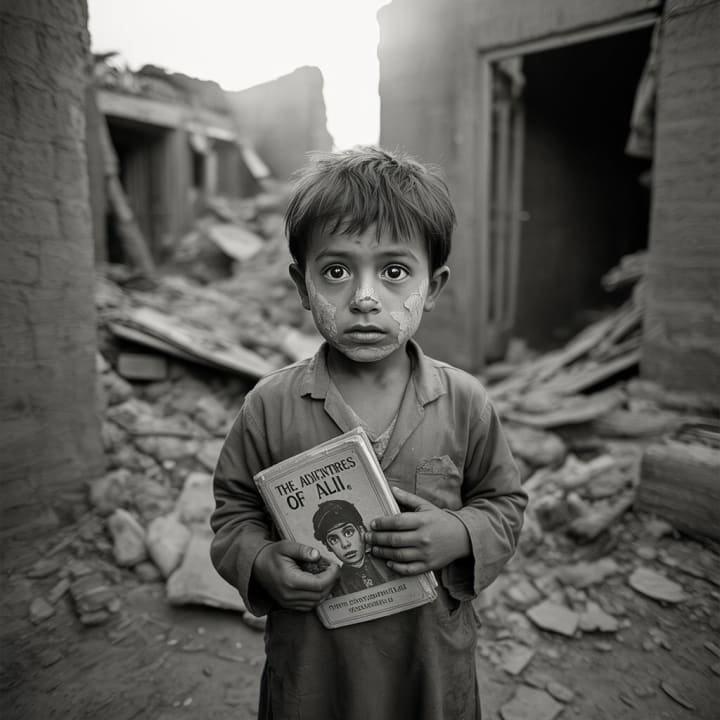
Our pain is collective. Our grief is shared. And the force behind these injustices is the same — the same oppressor, the same policies, the same silencing machinery that refuses to acknowledge Pashtun suffering. We cannot afford to be divided any longer. If we compartmentalize our grief based on geography, we are playing into the hands of those who wish to keep us fragmented and powerless.
This is not a call for hopelessness. This is a call for reform — within ourselves and within our communities. We must move beyond performative activism that is only triggered when our immediate surroundings are affected. We must build a broader, unified resistance rooted in empathy, awareness, and unwavering solidarity.
Every child injured by a shell in Bajaur, every youth martyred in Tirah, every mother who buries her son in Janikhel, is part of our family. This is not a poetic statement — it is a moral truth. These are our people. Their pain is our pain. Their silence should not be accepted. Their cries should be amplified.
To the youth of the Pashtun nation, a plea: abandon the toxic mindset of selective outrage. Unite your voice with others, not only when your home is under fire but when any corner of the Pashtun belt is bleeding. Your solidarity is more powerful than any political party or tribal boundary. Your awareness, your education, your courage — these are weapons that can change the course of our history.
We must also stop waiting for saviors. History has shown us repeatedly that if we do not rise for ourselves, no one else will. The state has shown a consistent pattern of ignoring, suppressing, and punishing dissent in the tribal and frontier regions. The mainstream media, with a few exceptions, rarely covers the scale of suffering endured by Pashtuns. If we do not tell our stories, if we do not document our martyrs, if we do not fight for our rights — who will?
Let this be a turning point.
Let this be the moment when we decide that no Pashtun will ever have to stand alone. That from Swat to Waziristan, from Bannu to Bajaur, from Tirah to Dera Ismail Khan — we are one people. Let this be the moment when we rise above regional divisions, above political affiliations, above the fear that has long haunted our communities.
Let us build a movement of conscience, courage, and clarity — a movement that says enough. Enough of the silence. Enough of the selective empathy. Enough of the betrayal by our own leaders who prioritize personal gain over collective justice.
We are a proud people — with a rich history, an unbreakable spirit, and a deep commitment to justice. Let us honor that heritage by standing together now, when it matters most.
To my oppressed Pashtun brothers and sisters:
Stand up not as tribes, not as regions, not as political parties — but as one nation. Our children’s lives depend on it. Our dignity demands it. And our future requires it.
Let us raise our voices so loud, so united, so unbreakable — that the world will no longer be able to ignore us. Let our grief be our strength. Let our unity be our weapon. Let our love for our people be the fire that lights the way forward.
About the Creator
Najibullah
I’m Najibullah — a journalist dedicated to amplifying the voices of the oppressed and sharing reliable, useful information to inform and inspire.
Keep reading
More stories from Najibullah and writers in Humans and other communities.
The Truth About Masturbation: Understanding Its Effects and Side Effects
Masturbation is the act of stimulating one’s own genitals for sexual pleasure, which may or may not result in orgasm. It’s a common behavior found in both men and women of all ages, and it has been practiced throughout history. Despite being surrounded by taboos in many cultures, modern science considers masturbation a normal and generally healthy part of human sexuality.
By Najibullah9 months ago in Humans
The Longest Night: The Construction Worker, The Ledge, and the Nine-Hour Vigil
The true story of Michael O'Rourke, a construction worker who spent nine hours on a Brooklyn rooftop talking a suicidal woman down from a ledge, proving the power of simple human presence.
By Frank Massey about 13 hours ago in Humans


Comments (3)
Very good job, keep it up
Appreciate
Keep up